
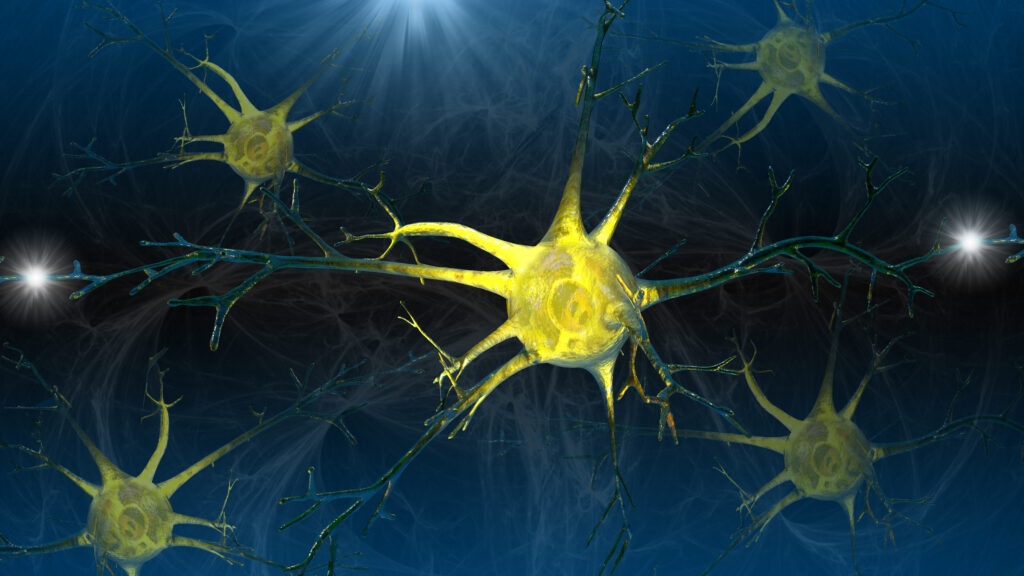
Nobel-recognized technology is being explored for safety and clinical potential Optogenetics involves genetically engineering specific brain cells to increase their sensitivity to light.CAROL AND MIKE WERNER/SCIENCE PHOTO LIBRARY Annalisa (Nalis) Merelli is focused on boys’ and men’s health: She looks into reproductive health, trending treatments, screening approaches, mental health, and everything in between. Retinitis pigmentosa is a genetic disorder that causes degeneration of the light-sensing cells in the retina. Generally diagnosed in childhood or early adolescence, patients gradually lose peripheral and night vision, often becoming legally blind by young adulthood. With the exception of a subset of patients who present a specific genetic mutation and can be treated with gene therapy, there is no cure for the condition. Cases are addressed by measures to slow degeneration and preserve what is left of the vision. Optogenetics — the technology just recognized with a Nobel Prize — could offer hope, according to a new paper published on Wednesday in the New England Journal of Medicine. STAT+ Exclusive Story Already have an account? Log in This article is exclusive to STAT+ subscribers Unlock this article — plus in-depth analysis, newsletters, premium events, and news alerts. Already have an account? Log in View All Plans To read the rest of this story subscribe to STAT+. Subscribe Annalisa (Nalis) Merelli is focused on boys’ and men’s health: She looks into reproductive health, trending treatments, screening approaches, mental health, and everything in between.
STAT+: In small trial, optogenetics restores some vision lost to retinitis pigmentosa
Full Article
Original Source
Read the full article at Statnews →KhanList aggregates and links to publicly available news content. We do not host full articles from third-party sources. Always verify important information with original sources.