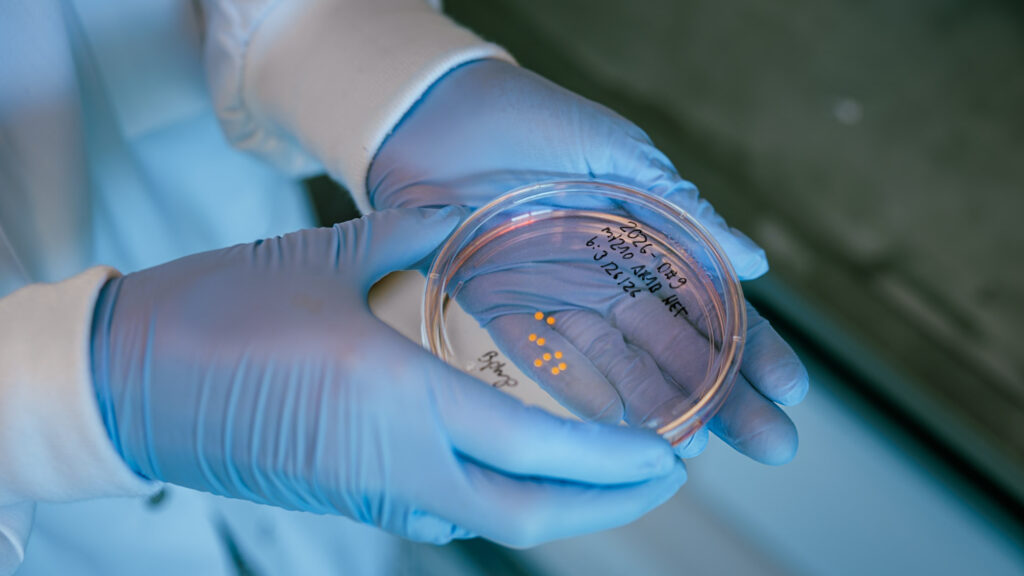
Eraser-sized balls of tissue could aid research on early stages of neurological diseases A researcher holds a lab dish containing brain organoids kept alive more than five years.Carlos Sanchez/Harvard Faculty of Arts and Sciences Megan covers the intersection of science and society. How is biomedical research funded? Who benefits? And how do new technologies reflect and shape our values? You can reach Megan on Signal at mmolteni.13. A little more than two years ago, a junior scientist walked into Paola Arlotta’s Harvard office with a set of mesmerizing images and asked if she wanted to see what the old brain organoids look like. Arlotta, a developmental neurobiologist, turned in surprise. “You analyzed them?” she exclaimed. Irene Faravelli’s face fell. She had, but now she wondered if that had been a grave mistake. Arlotta assured her everything was fine. In fact it was great. “I was actually pleased that somebody had the courage to do this,” Arlotta recalled to STAT in a recent interview. STAT+ Exclusive Story Already have an account? Log in This article is exclusive to STAT+ subscribers Unlock this article — plus in-depth analysis, newsletters, premium events, and news alerts. Already have an account? Log in View All Plans To read the rest of this story subscribe to STAT+. Subscribe Megan covers the intersection of science and society. How is biomedical research funded? Who benefits? And how do new technologies reflect and shape our values? You can reach Megan on Signal at mmolteni.13.
STAT+: Brain organoids, kept alive more than five years, matured like human brains
Full Article
Original Source
Read the full article at Statnews →KhanList aggregates and links to publicly available news content. We do not host full articles from third-party sources. Always verify important information with original sources.