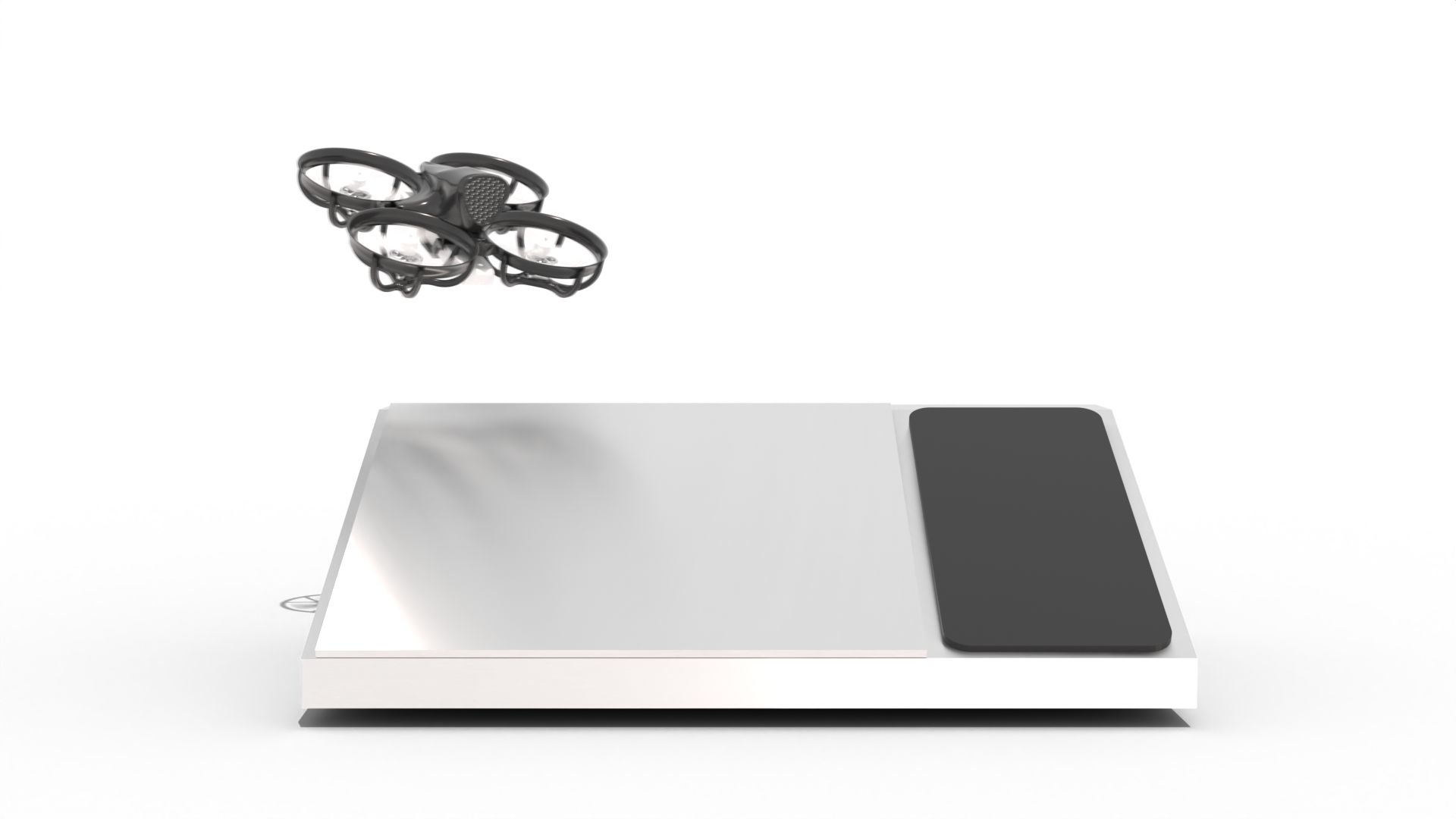
It’s time to move over, chemical sprays, bug zappers, and sticky mesh netting. Drones are coming for mosquitoes. The newest high-tech weapon in the endless war against the world’s deadliest killer is a miniature hunter-killer drone that chops mosquitoes out of mid-air. Backed by Y Combinator, Paris-based startup Tornyol is bringing aerial combat technology to backyards and malaria-plagued regions to hunt down mosquitoes. The company’s flagship creation, a 40-gram autonomous quadcopter, actively patrols the sky. When it detects an airborne pest, it launches a high-speed interception run and shreds the target with its propellers. Designed for safe operation around humans and pets, the lightweight Tornyol drone features enclosed propellers, automated collision avoidance, and a small profile to eliminate physical risks during mid-air interceptions. Reducing mosquito menace While dangerous predators and disease-spreading rodents often dominate popular fear, the tiny Anopheles mosquito is actually history’s deadliest creature. These mosquitoes are responsible for killing over 700,000 people annually through diseases like malaria, yellow fever, dengue, and Zika. Standard eradication methods — such as passive traps, genetic modification, species sterilization, and chemical insecticides — all carry limitations, environmental risks, or health hazards for humans and pets. In response to these shortcomings, innovative tech companies are now taking a active, airborne approach to pest control by deploying tiny air-to-air killer drones directly into the skies to hunt down and eliminate these deadly insects. As per the website, the Tornyol mosquito-hunting drone, specifically its LeSonar2 model, actively tracks and eliminates insects mid-air by combining bat-like ultrasonic sonar with intelligent processing algorithms. Reportedly, it is equipped with 32 ultrasonic emitters, 380 smartphone microphones, and an Artix-7 FPGA processor. The system constructs a real-time 3D spatial map using high-frequency acoustic pulses to navigate in total darkness while maintaining a compact form factor. To protect harmless bugs, pets, and children, the drone analyzes the unique sonar signatures, such as wingbeat frequencies and harmonic structures. This helps to accurately distinguish disease-carrying mosquitoes from benign species while keeping users safe through mobile and web app controls. Drone charge Although still in development, the device will eventually retail for $1,100 upfront or via a $50 monthly subscription. The early reservation spots is available for $100. Despite these high costs and lingering practical questions, the company claims its system is 100 times more cost-effective than fixed traps, can cover up to 5 acres per unit, and can reduce malaria mortality by 100% in urban and peri-urban areas. The ambition is massive, but the realities on the ground present steep hurdles. The drone currently offers just three minutes of flight time per pass before needing a 30-minute dock on its base station to recharge. For hyper-infested areas, that tiny operational window could easily prove overwhelmed. Tornyol remains unfazed. New Atlas reported that the engineering team is currently developing battery-swapping dock systems which could enable long-duration aerial coverage. If the firm can scale production down in cost and up in endurance, backyard BBQs and global public health efforts might both look very different and sound a lot more like a miniature air force at work. Recommended ArticlesGet the latest in engineering, tech, space & science - delivered daily to your inbox.Mrigakshi is a science journalist who enjoys writing about space exploration, biology, and technological innovations. Her work has been featured in well-known publications including Nature India, Supercluster, The Weather Channel and Astronomy magazine. If you have pitches in mind, please do not hesitate to email her.
Startup builds insect-killing tiny drone as alternative to chemical insecticides
Full Article
Original Source
Read the full article at Interestingengineering →KhanList aggregates and links to publicly available news content. We do not host full articles from third-party sources. Always verify important information with original sources.