
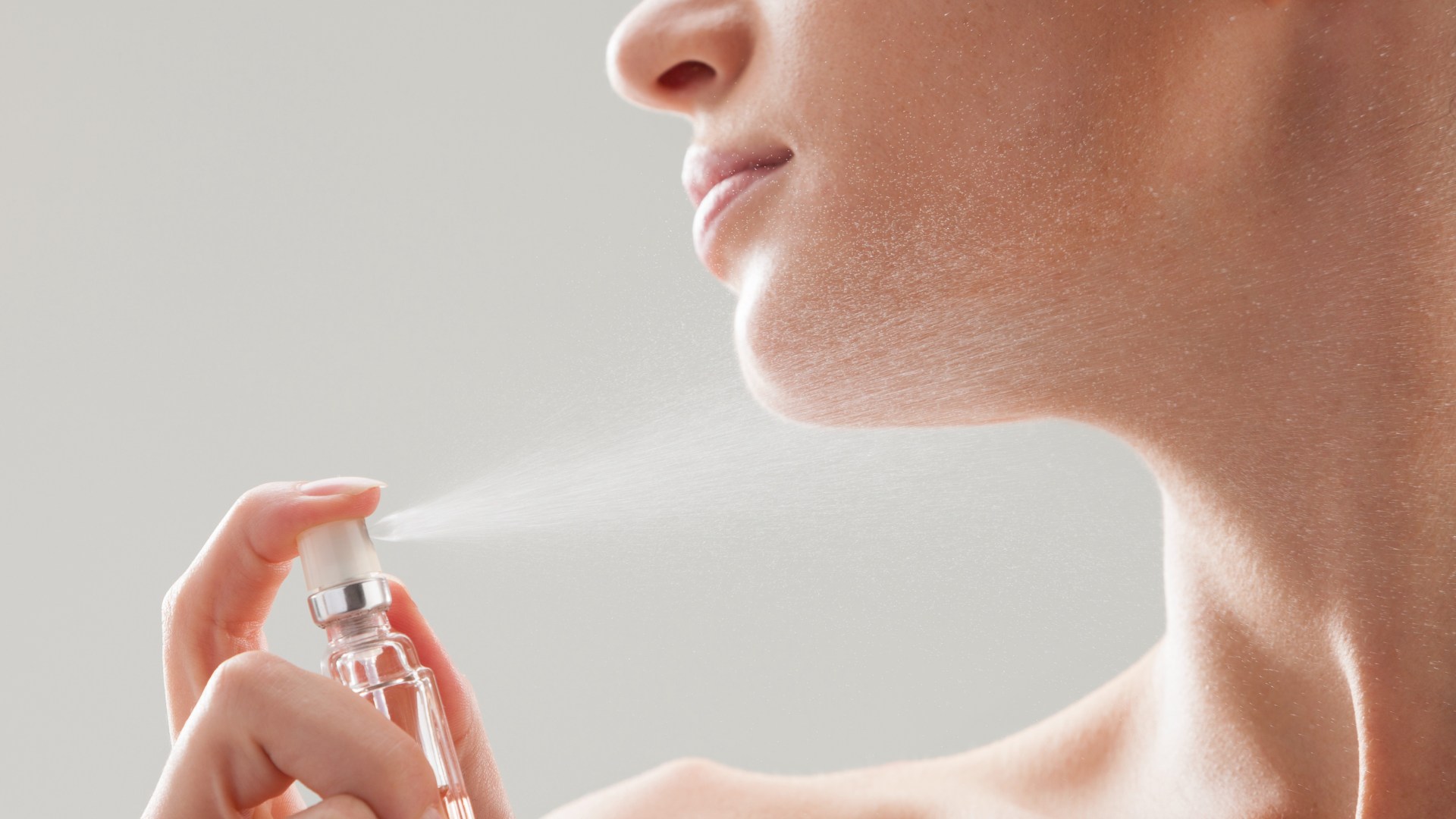
Getting dressed, spraying perfume and heading out the door – it’s part of so many of our morning routines. Many of us won’t even think twice about it, but some scientists now argue it could be deadly. Some say spraying perfume on certain parts of your body could be a health risk Credit: Getty It is claimed that spraying perfume on your neck can increase your risk of cancer Credit: Getty It’s claimed that spraying perfume on your neck can increase your risk of cancer and infertility. In a viral video last month, Ana Canadas, a cancer researcher at the University of Cambridge, advised her 112k followers to “stop spraying perfume on your neck” due to these supposed links to various different health risks. Sign up for the Health newsletter Thank you! She said: “Perfumes are complex chemical mixtures that can contain dozens to hundreds of ingredients. “In many countries, companies are allowed to list these simply as ‘fragrance’ or ‘parfum’, meaning the individual chemicals don’t have to be disclosed to consumers.” These chemicals can include formaldehyde-releasing products – which have been linked to cancer and allergic reactions on the skin – phthalates and volatile organic compounds, which can be endocrine disruptors, Ana said. She said in the video on Instagram: “While this doesn’t mean every perfume is harmful or that using perfume causes disease, it does support the idea of reducing unnecessary exposure where it’s easy to do so. “The neck is also an area worth thinking about. “It’s covered by relatively thin, well-vascularised skin and sits directly beside the thyroid gland.” Most read in Health Ana acknowledged, however, that “there is currently no evidence that spraying perfume on your neck specifically damages the thyroid”. “All the posts you see about this are fake,” she stressed. But she said that what isn’t known yet is the effect of “cumulative exposure” to perfume over the years. Her post ended: “The key message isn’t to fear perfume—it’s to understand that small daily exposures from multiple products can add up over decades. “Reducing exposure where it’s practical is a reasonable, evidence-based approach.” Her comments echo the conclusion of a Frontiers in Toxicology journal article, which said there is a “pressing need for stricter regulatory oversight and improved transparency in ingredient disclosure to safeguard consumer health”. It noted, however, that “further research is required to clarify the long-term health risks associated with the daily use of cosmetic products and to develop safer alternatives”. The paper published in Frontiers in Toxicology journal in August 2025 said “many synthetic chemicals in perfumes and cosmetics are associated with adverse health outcomes”, including respiratory issues, endocrine disruption – which mimic or block your hormones – reproductive problems and “potentially” cancer. After reviewing studies over two decades, the researchers said: “Despite regulatory guidelines, the cumulative and long-term effects of combined exposure to multiple cosmetic ingredients remain poorly understood and inadequately addressed.” So, what do others think about this? Does spraying perfume on your neck really risk your health? Dr Nikki Ramskill shares her professional opinion on whether spraying perfume on your neck can cause cancer Credit: Getty Dr Nikki Ramskill, a GP verified on the healthcare platform Doctify, told Sun Health it’s true that some ingredients used in fragrances have shown hormone-disrupting or “toxic effects” in laboratory studies. But this is “usually at much higher concentrations than people would encounter in everyday life”. She said that there is currently “no good-quality evidence” to support the claim that spraying perfume on your neck causes cancer. Crucially, she said that “laboratory findings don’t automatically translate into real-world health risks”, and while claims like these gain attention, they often “oversimplify a much more complex scientific picture”. For the vast majority of people, wearing perfume on the neck is considered “low risk”, according to Dr Ramskill. “The more common issues we see are skin irritation, allergic reactions, or photosensitivity – where certain fragrance ingredients can make the skin more sensitive to sunlight,” she said. She stressed that the neck is not more dangerous than other areas of skin “simply because it sits close to the thyroid gland or the lymph nodes”. Dr Ramskill added: “While the skin does absorb a small amount of some fragrance ingredients, these are absorbed into the bloodstream through the skin rather than travelling directly into nearby organs. “Simply being close to the thyroid or lymphatic system does not mean those tissues receive a higher exposure.” For those with eczema, sensitive skin or a known fragrance allergy, she advises them to spray perfume on their clothes as “applying perfume directly to the neck may trigger irritation”. Dr Ramskill said that if someone prefers to minimise their exposure to chemicals in any cosmetics, choosing products with fewer ingredients or applying perfume to clothing rather than directly onto the skin is a reasonable personal choice, rather than evidence-based advice. “Modern cosmetics sold in the UK are subject to strict safety regulations, and many ingredients that have raised significant health concerns have already been restricted or removed,” she said. “There is also ongoing research into endocrine-disrupting chemicals found in some consumer products, including certain fragrance ingredients. She concluded: “Rather than worrying about occasional perfume use, I’d encourage people to focus on the factors we know have a much greater impact on long-term health, such as not smoking, maintaining a healthy weight, limiting alcohol, staying physically active, and attending recommended cancer screening appointments.” Comment now
Spraying perfume on your neck ‘linked to infertility and an increased risk of cancer’ says doc – but what’s the truth?
Full Article
Original Source
Read the full article at Thesun →KhanList aggregates and links to publicly available news content. We do not host full articles from third-party sources. Always verify important information with original sources.