
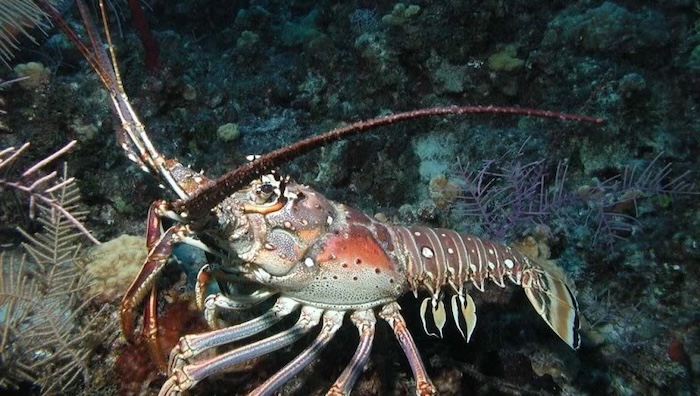
Muscat: Oman’s fishing season for spiny lobster, locally known as “sharkha,” began today and will continue until Nov. 30, in accordance with regulations governing fishing operations aimed at protecting the resource and ensuring the sustainability of its stocks. Sharkha ranks as Oman’s second-highest-value fishery resource after abalone, locally known as “safih,” with its production generating an estimated OMR 4.255 million in economic returns in 2025. Production reached approximately 645 tonnes, with an average price of OMR 6.601 per kilogram.Al Wusta Governorate accounted for the largest share of sharkha production in 2025, with around 288.5 tonnes, representing 44.7% of total production. Dhofar followed with approximately 212.8 tonnes (33%), while South Al Sharqiyah recorded around 135.7 tonnes (21.1%). Smaller quantities are available in other governorates.The market value of production reached approximately OMR 1.757 million in Al Wusta, OMR 1.705 million in Dhofar, and OMR 775,000 in South Al Sharqiyah.Salim bin Darwish Al Hasani, Director of the Fisheries Extension and Fisheries Committees Department at the Ministry of Agriculture, Fisheries and Water Resources, said the economic value of sharkha has increased the interest of fishermen and investors in the resource, making effective fisheries management essential to preserving and sustaining its stocks.In a statement to Oman News Agency (ONA), he explained that the Ministry regulates various stages of sharkha fishing and handling, from issuing fishing licences and determining permitted fishing gear and the fishing season to monitoring trading, marketing and export operations.Al Hasani stressed that fishermen’s compliance with approved fishing methods is essential to preserving sharkha fisheries. He noted that Oman’s Marine Fisheries Law regulates fishing activities and identifies permitted practices, while fishing outside the designated season contributes to depletion of sharkha stocks.He added that the use of nets to catch sharkha is prohibited by law, due to their negative impact on stocks and catch quality. Nets also cannot distinguish between different sizes of lobster or between females carrying eggs and other specimens, potentially resulting in the capture of protected marine life.Al Hasani underscored the importance of immediately returning prohibited catches to the sea, particularly undersized sharkha with a carapace length of less than 80 millimetres and egg-bearing females. Returning such specimens helps preserve their reproductive capacity and strengthen stocks, while retaining them reduces opportunities for fisheries growth and reproduction.The Ministry requires fishermen to use sharkha traps only, provided they meet specified requirements, are made from materials that do not harm the marine environment, and have openings large enough to allow undersized lobster to escape. The traps must also allow lobster to escape if the trap is lost, helping reduce unintended catches of marine organisms.As part of its awareness efforts, the Ministry is intensifying fisheries guidance programmes for fishermen through awareness lectures in coastal wilayats and by educating them on proper practices for handling sharkha. It is also preparing and distributing guidance materials to fishermen and members of the public, in addition to sending text messages containing brief instructions on the importance of protecting the resource.Meanwhile, the Ministry’s fisheries inspection teams are conducting field patrols along the coast and at sea to ensure compliance with regulations governing the fishing season.Data collection teams are also monitoring sharkha production along Oman’s coastline through specialised statistical programmes, including monitoring landings and collecting catch data to provide indicators on the status and development of the resource.The sharkha fishing ban will begin on Dec. 1 and continue until Sept. 30 of the following year, a period designated for fertilisation and reproduction. During this period, catching, possessing and trading sharkha are prohibited to enhance the sustainability of the marine resource and preserve its economic returns for fishermen and Oman’s fisheries sector.The Ministry continues to manage sharkha fisheries and protect their stocks to ensure the resource remains a sustainable source of income for members of the community, while supporting food security and sustainable utilisation of Oman’s living marine resources.
Spiny Lobster season kicks off in Oman with strict regulations to protect stocks
Full Article
Original Source
Read the full article at Timesofoman →KhanList aggregates and links to publicly available news content. We do not host full articles from third-party sources. Always verify important information with original sources.