
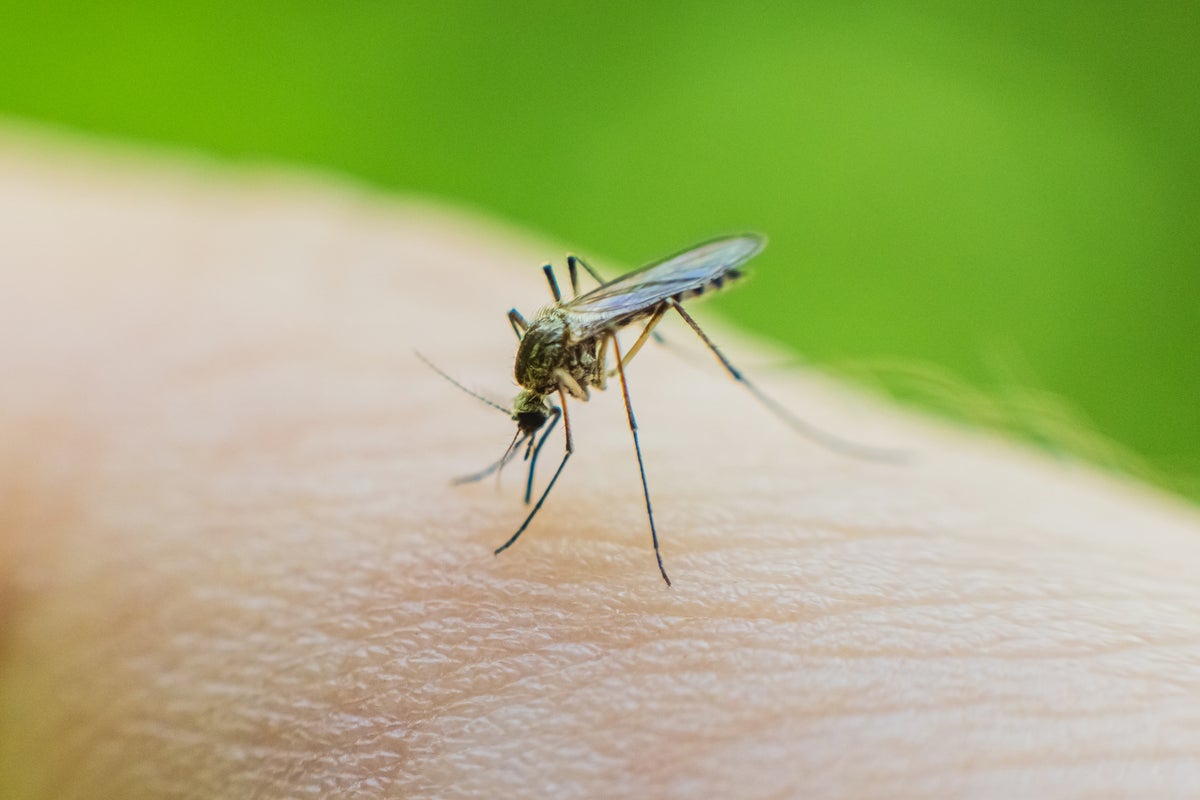
A specially bred mosquito appears to offer strong protection against dengue and chikungunya, according to a new study, as cases of mosquito-borne illnesses spike in Florida.The major study of more than 5,700 children in Brazil, one of the world's dengue hot spots, offers new evidence that breeding mosquitoes unable to transmit viruses can be a viable new strategy instead of relying on pesticides and trying to avoid getting bitten.Dr Sri Edupuganti of Emory University, part of the international research team, said children in neighborhoods populated by Wolbachia-carrying insects showed about a 69% reduction in dengue and chikungunya infections compared with similar neighborhoods.Scientists bred mosquitoes to carry a kind of bacteria called Wolbachia (Getty Images/iStockphoto)The effect was sustained even during Brazil's severe 2024 dengue outbreak, she said. The findings were reported at a meeting of the American Society of Tropical Medicine and Hygiene.Florida grapples with large outbreakThe latest research comes as Florida grapples with an unusually large outbreak of the virus, what appears to be the biggest in any U.S. state since at least the 1940s.Usually in the continental U.S., dengue is found mostly in people who traveled internationally. But as of Friday, Florida health officials had tallied more than 650 locally acquired cases, about three-quarters of them in Hillsborough County, home to Tampa.Outside the U.S., the nonprofit World Mosquito Program has pioneered the Wolbachia strategy. Scientists breed mosquitoes to carry a kind of bacteria called Wolbachia.How Wolbachia strategy worksThe bacteria are harmless to people and common in many insects, although not dengue-carrying Aedes aegypti mosquitoes. Wolbachia dramatically reduce the mosquitoes' ability to transmit certain viruses.Female mosquitoes spread the bacteria to their offspring, so releasing enough of the specially bred insects, males and females, into an area allows Wolbachia to gradually become established in the local mosquito population.Field trials and other studies in Indonesia and elsewhere have shown the strategy can significantly lower dengue diagnoses. But because people with mild symptoms may not be diagnosed, the new study in Belo Horizonte, Brazil, went further. Researchers tested blood for signs of dengue, chikungunya or the Zika virus.“This is really exciting,” said Dr David Hamer, a global health expert at Boston University who wasn't involved with the Brazilian study.He predicts that pairing more use of these Wolbachia mosquitoes with existing steps to fight mosquito-borne disease could “knock dengue down to much lower levels” in many places.
Specially bred mosquitoes help fend off dengue in ‘exciting’ study as Florida grapples with outbreak
Full Article
Original Source
Read the full article at Independent →KhanList aggregates and links to publicly available news content. We do not host full articles from third-party sources. Always verify important information with original sources.