
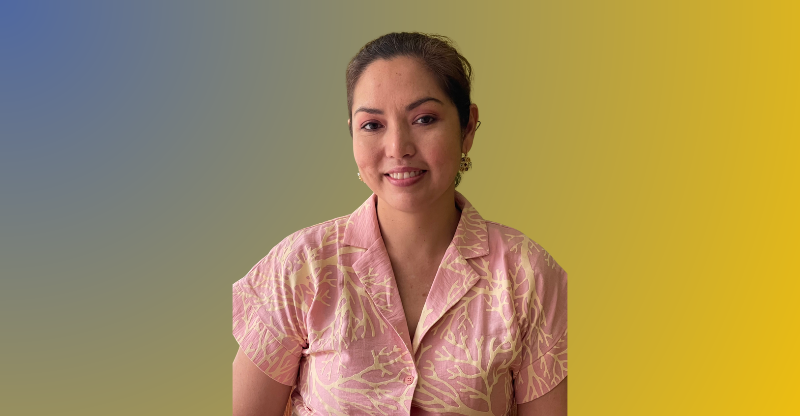
Consultant neurologist at QEH Dr Simeona Jacinto (Photo by: Lauryn Escamilla) Calls are growing for teachers to receive regular epilepsy training, with specialists stressing the need for educators to be prepared when students experience seizures at school. The call was made on Tuesday during the opening ceremony of a two-day Epilepsy Teaching and Safety Workshop hosted by the School of Education at The University of the West Indies, Cave Hill Campus. Health and education officials at the session spoke about the importance of equipping teachers with the knowledge and skills needed to support students living with the condition. Consultant neurologist at the Queen Elizabeth Hospital (QEH) Dr Simeona Jacinto said epilepsy requires greater understanding, particularly among those responsible for children’s care and safety in schools. Consultant neurologist at QEH Dr Simeona Jacinto (Photo by: Lauryn Escamilla) She explained that seizures result from abnormal electrical activity in the brain and can present in various ways, including twitching, shaking, stiffening, lip-smacking, staring, altered consciousness or a complete loss of consciousness. However, Dr Jacinto cautioned that experiencing a single seizure does not necessarily mean a person has epilepsy. You Might Be Interested In “Everyone is allowed to have at least one seizure in their life which is unprovoked. But when someone has had at least two unprovoked seizures at least 24 hours apart, they begin to fit the criteria for a diagnosis of epilepsy,” she explained. According to Dr Jacinto, epilepsy increases the likelihood of recurrent seizures and may require medication to reduce that risk. While Dr Jacinto could not provide specific figures for the number of children living with epilepsy in Barbados, she noted that approximately six children in every 1 000 would experience a seizure at some point. The medical expert said she hoped the workshop would mark the beginning of a broader effort to make epilepsy awareness and seizure response a routine part of teacher preparation and school safety programmes. “We’re hoping that this… will become not just a once-a-year event, but that it even becomes part of the normal training curriculum for all teachers and becomes part of, I guess, safety training that schools do each year.” She also advocated for children diagnosed with epilepsy to have individualised seizure action plans to guide teachers, parents and caregivers in responding appropriately during an episode. The plans, she said, would include key information about the child’s type of seizure, what it looks like, how long it typically lasts, possible triggers, medication, activity restrictions and emergency contacts. “Our hope is to move to a point where every child with epilepsy has that available, that one sheet of paper with that vital information so that should they have a seizure, the responsible persons around them would know what to do and how to respond.” Dr Jacinto advised parents seeking a seizure action plan for their child to first consult the medical professional responsible for managing the child’s epilepsy. She noted that most children with epilepsy in Barbados receive care from paediatricians, although neurologists and family physicians can also provide assistance. Peripatetic Learning and Support Teacher in the Ministry of Education’s Student Support Services Lee Carter said greater exposure to epilepsy training would help educators respond more confidently to students with epilepsy. Ministry of Education Transformation Peripatetic Learning and Support teacher in Student Support Services Lee Carter (Photo by: Lauryn Escamilla) She explained that Student Support Services receives referrals from schools, parents and other agencies concerning children with special educational needs and exceptionalities, including epilepsy. As a result, the department’s figures depend on the number of students referred to its services. Carter noted that the reported prevalence of epilepsy in Latin America and the Caribbean is 0.91 per cent, while explaining that the ministry’s figures reflect only cases brought to its attention through the referral process. She said training would help teachers better understand the condition and become more confident in supporting affected students. “Having that opportunity to be trained in the area of epilepsy would be fundamental to teachers and their professional practice.” Carter said education plays a critical role in reducing misconceptions about epilepsy and helping people become more comfortable supporting those living with the condition. “I do believe that with education comes understanding, and sometimes the things that we fear are simply because we may not understand them or have not been exposed to them.” She added that teachers need the skills not only to identify when a student may be experiencing a seizure but also to provide appropriate support. Carter said increased awareness and training would also help reduce stigma and ensure children living with epilepsy are not disadvantaged within the education system. (LE)
Specialists push for epilepsy training for teachers
Full Article
Original Source
Read the full article at Barbadostoday →KhanList aggregates and links to publicly available news content. We do not host full articles from third-party sources. Always verify important information with original sources.