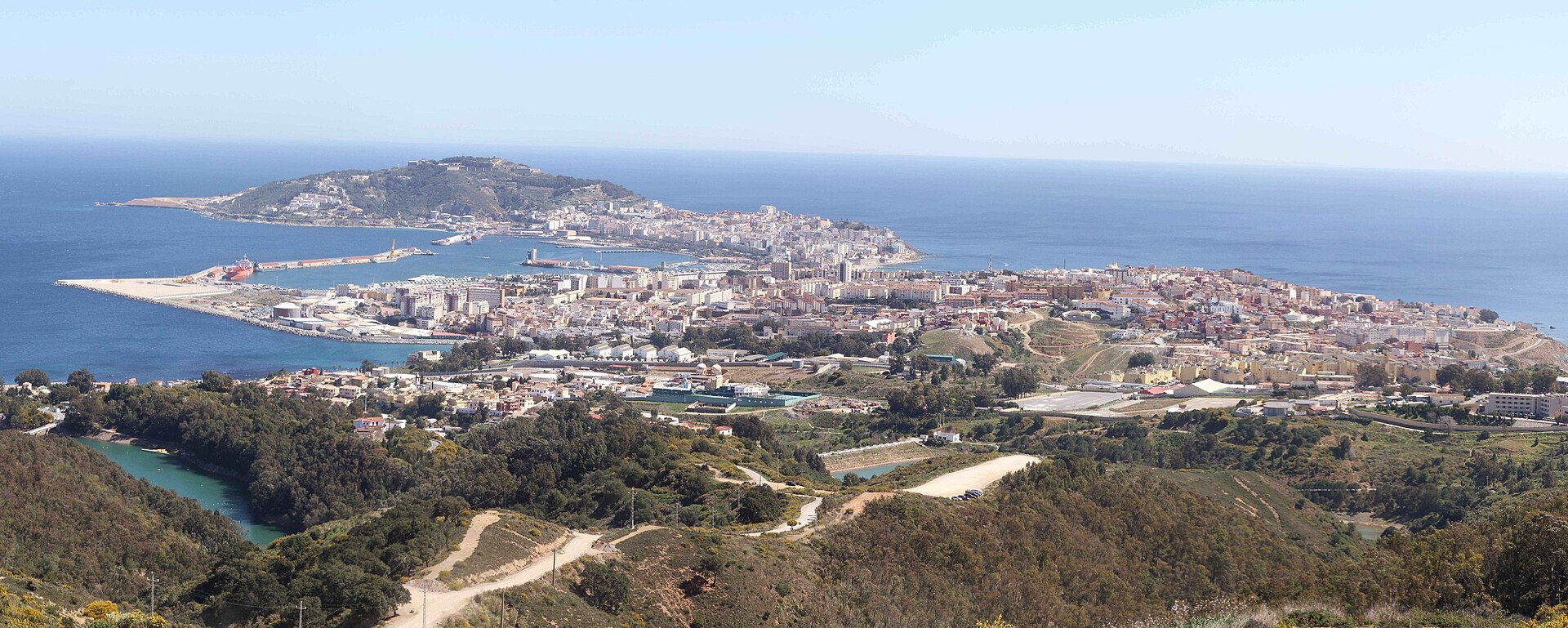
The mass crossing of migrants into Spain’s small North African enclave has prompted EU anti-migrant rhetoric and calls to suspend the bloc’s border-free Schengen – despite fragile legal justifications. Ceuta and Melilla, on Africa’s north coast, are autonomous Spanish cities that often receive migrant arrivals, including a wave of over 60,000 swimmers from Morocco last week. The Spanish authorities have since deployed the military to Ceuta’s coastal city of 83,500 residents. Borders to both cities are patrolled by Spanish and Moroccan authorities alike, resulting in the swift return of over 48,000 migrants within 48 hours of arrival. Many EU member states have expressed concern due to a common border area with Spain, since signatories to the 1991 Schengen agreement, including all EU and associated countries like Iceland, Liechtenstein, Norway and Switzerland, would theoretically be exposed to arrivals from Spain. The Schengen area guarantees the world’s largest area of free movement, with 450 million citizens of the EU and associated countries enjoying the right to cross internal borders without needing to show their passports. How does Schengen work? Why is Ceuta not part of the Schengen Area? Countries including Finland, the Czech Republic, and Denmark called for the closure of the EU’s Schengen borders with Spain in light of the Ceuta crisis migrants, while Italian prime minister Giorgia Meloni moved to suspend Rome’s air and sea frontiers with Spain. However, Spain’s autonomous cities are party to a unique set of Schengen rules. Those arriving in Ceuta or Melilla from within Schengen are not required to show identification, while those leaving face mandatory border controls.
Spain’s Ceuta mass migration sparks EU Schengen row: the legal reality behind the rhetoric
Full Article
Original Source
Read the full article at Euobserver →KhanList aggregates and links to publicly available news content. We do not host full articles from third-party sources. Always verify important information with original sources.