
Spain, Italy, Greece and Cyprus are considered “under migratory pressure” by the European Commission, according to a report presented on Friday that sets the framework for relocating asylum seekers across the EU in 2027. ADVERTISEMENT ADVERTISEMENT The assessment marks the start of the process of redistributing asylum seekers across the bloc, which is likely to prove controversial after EU governments recently clashed over migration, with some countries reluctant to participate. The Commission said it had taken account of the arrival of more than 80,000 irregular migrants in Ceuta at the end of July, although the report formally covers the period from July 2025 to June 2026. In just two days, more migrants entered the Spanish exclave than were recorded crossing all EU borders irregularly in the first six months of 2026. However, the mass arrival is not expected to lead to a proportionate increase in the number of asylum seekers relocated next year. “There was a strong reaction [to the crisis], and within a very short period the vast majority of those who entered voluntarily returned to Morocco,” an EU official said. How the solidarity system works Next year, the four countries under pressure will benefit from the solidarity of other member states, which can take the form of relocating asylum seekers to their territory or of financial contributions. The report also identifies 15 states “at risk of migratory pressure”: Belgium, Czechia, Germany, Estonia, Ireland, France, Croatia, Latvia, Lithuania, Luxembourg, the Netherlands, Poland, Romania, Slovenia and Finland. They must show solidarity with the countries under pressure, but their situation will be reassessed to avoid disproportionate obligations the following year. A third group is classed as “facing a significant migratory situation”: Bulgaria, Czechia, Estonia, Croatia, Austria and Poland. They can request an exemption from their solidarity quotas, which the Commission must certify and the other member states approve. Alongside the report, the Commission proposed an “Annual Solidarity Pool”, which sets the total number of asylum seekers to be relocated across Europe and each country’s share, whether in relocations or in payments to offset them. The pool’s size has not been made public. Under the law, it must be at least 30,000 relocations and €600 million in financial contributions. Every member state except those under migratory pressure must contribute in proportion to its population and GDP. Countries can choose between three options: relocating asylum seekers to their own territory, paying €20,000 for each person they do not relocate, or funding operational support in countries under pressure. EU governments will decide the final size of the pool and each country’s share by the end of the year. In 2026, national governments significantly watered down the Commission’s proposal. Fewer than 9,000 asylum seekers were effectively relocated, against an agreed reference figure of 21,000. Hungary and Slovakia fail to meet solidarity obligations The Annual Asylum and Migration Report also assessed member states’ solidarity to date, flagging problems with Hungary and Slovakia. The Commission acknowledged that both countries have breached the rules by failing to pledge any relocations or financial contributions for 2026, but no infringement procedures will be launched for now. “The system is mandatory. Last year, they did not pledge. We are in contact with both member states to see how we can get respect of this dimension,” an EU official said. Budapest and Bratislava remain opposed to the solidarity system set out in the Pact on Migration and Asylum, as migration is a deeply divisive issue among their citizens. Italy also came under scrutiny after several member states called on Rome in late August to take back asylum seekers who had entered the EU through its borders before moving to other countries. Under EU rules, the Commission can suspend solidarity towards a country under migratory pressure if it fails to meet its obligations. “This is not the case for the time being,” an EU official said. During the reporting period, around 13,000 transfers back were carried out between member states, although the Commission did not provide country-specific data. Eurodac data also suggest that unauthorised movements within the EU fell by around 13%.
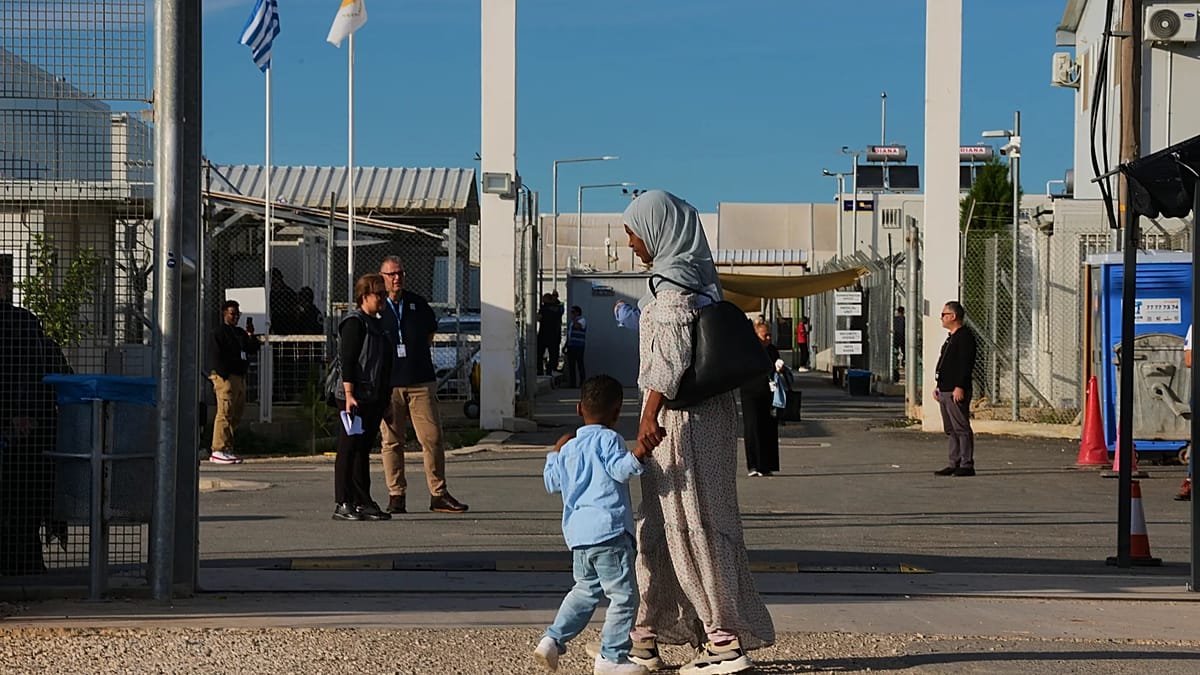
Spain, Italy, Greece and Cyprus to benefit from EU asylum solidarity scheme in 2027
Full Article
Original Source
Read the full article at Euronews →KhanList aggregates and links to publicly available news content. We do not host full articles from third-party sources. Always verify important information with original sources.