
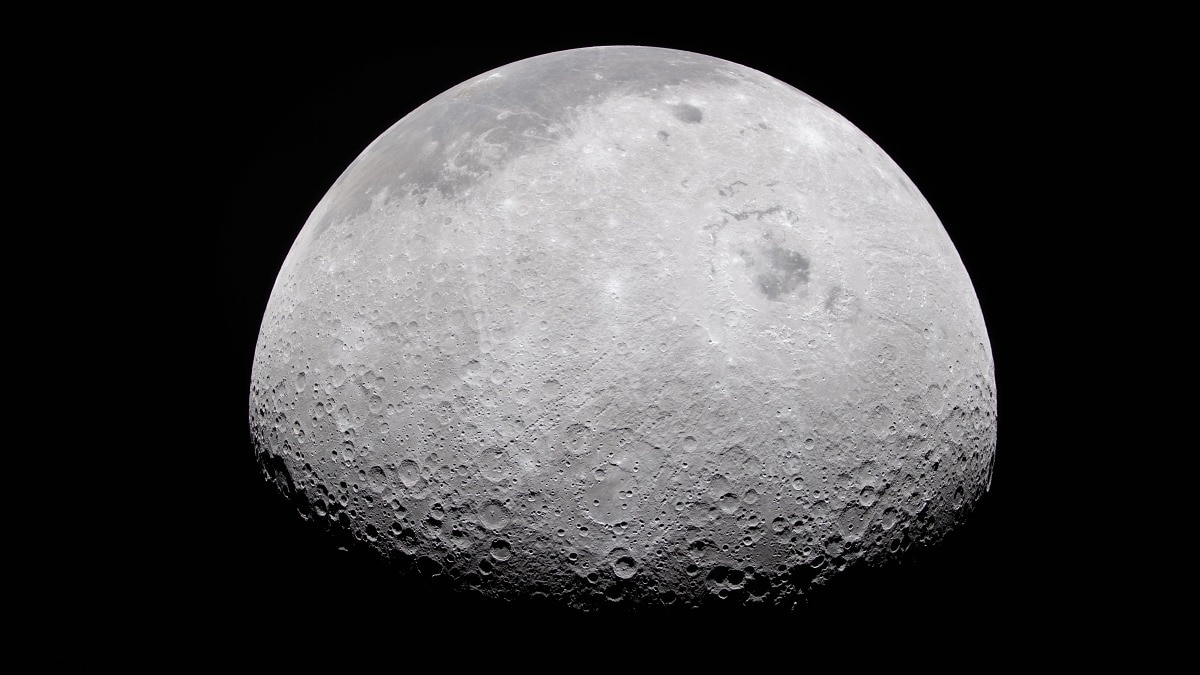
A spent SpaceX Falcon 9 upper stage is set to strike the Moon near the Einstein and Bell craters on Thursday. Nasa hopes the impact will sharpen lunar science, tracking methods and debris management.Scientists will rely on orbiting spacecraft to study the aftermath. (Photo: Nasa)A used SpaceX Falcon 9 rocket stage is expected to crash into the Moon on on Thursday, in a rare event that Nasa hopes will provide valuable scientific data about lunar impacts and improve techniques for tracking objects in space.The upper stage, launched on January 15, 2025, successfully delivered Firefly Aerospace's Blue Ghost-1 lunar lander to the Moon under Nasa's Commercial Lunar Payload Services (CLPS) programme.However, after completing its mission, solar activity and the Moon's gravitational pull gradually altered the rocket stage's trajectory, sending it on an unplanned return course toward the lunar surface.Nasa and SpaceX are closely monitoring the object using both ground-based telescopes and space-based assets. According to Nasa's Center for Near Earth Object Studies (CNEOS) at the Jet Propulsion Laboratory, the Falcon 9 upper stage has a 100% probability of striking the Moon near the Einstein and Bell craters. The impact poses no threat to Earth but offers scientists a rare opportunity to observe a human-made object colliding with the lunar surface. Independent astronomers first identified the stage's trajectory using publicly available data before Nasa confirmed its impact path. The rocket stage is expected to carve out a crater roughly 60 feet wide and 12 feet deep, ejecting lunar dust and rocks high above the surface.While dramatic, such impacts are not unusual for the Moon. Because it lacks an atmosphere, meteoroids strike the lunar surface every day, with an impact carrying similar energy occurring about once every six days.Nasa says studying the ejecta plume and resulting crater will help researchers better understand lunar geology, improve impact models and refine techniques that could benefit future robotic and human exploration missions.The collision will not be visible to the naked eye from Earth. However, Nasa's Meteoroid Environments Office at the Marshall Space Flight Center will attempt to capture the event using ground-based telescopes, although weather and lighting conditions could affect observations.Scientists will also rely on orbiting spacecraft to study the aftermath. Nasa's Lunar Reconnaissance Orbiter and ShadowCam aboard South Korea's Korea Pathfinder Lunar Orbiter will attempt to image the impact site before and after the collision.Depending on orbital geometry and lighting conditions, images could take several days to become available.Although this impact was unintended, Nasa noted that disposing of spent rocket stages on the lunar surface is a technically accepted end-of-life strategy for some deep-space missions, particularly when spacecraft are operating in low lunar orbit.Controlled impacts provide predictable disposal while avoiding long-term debris around the Moon.Nasa said the observations will also support efforts to improve responsible space debris management while advancing scientific understanding of the Moon and future exploration missions.- EndsPublished By: Sibu Kumar TripathiPublished On: Aug 5, 2026 11:37 IST
SpaceX's Falcon-9 rocket to crash near Moon's Einstein crater tonight
Full Article
Original Source
Read the full article at Indiatoday →KhanList aggregates and links to publicly available news content. We do not host full articles from third-party sources. Always verify important information with original sources.