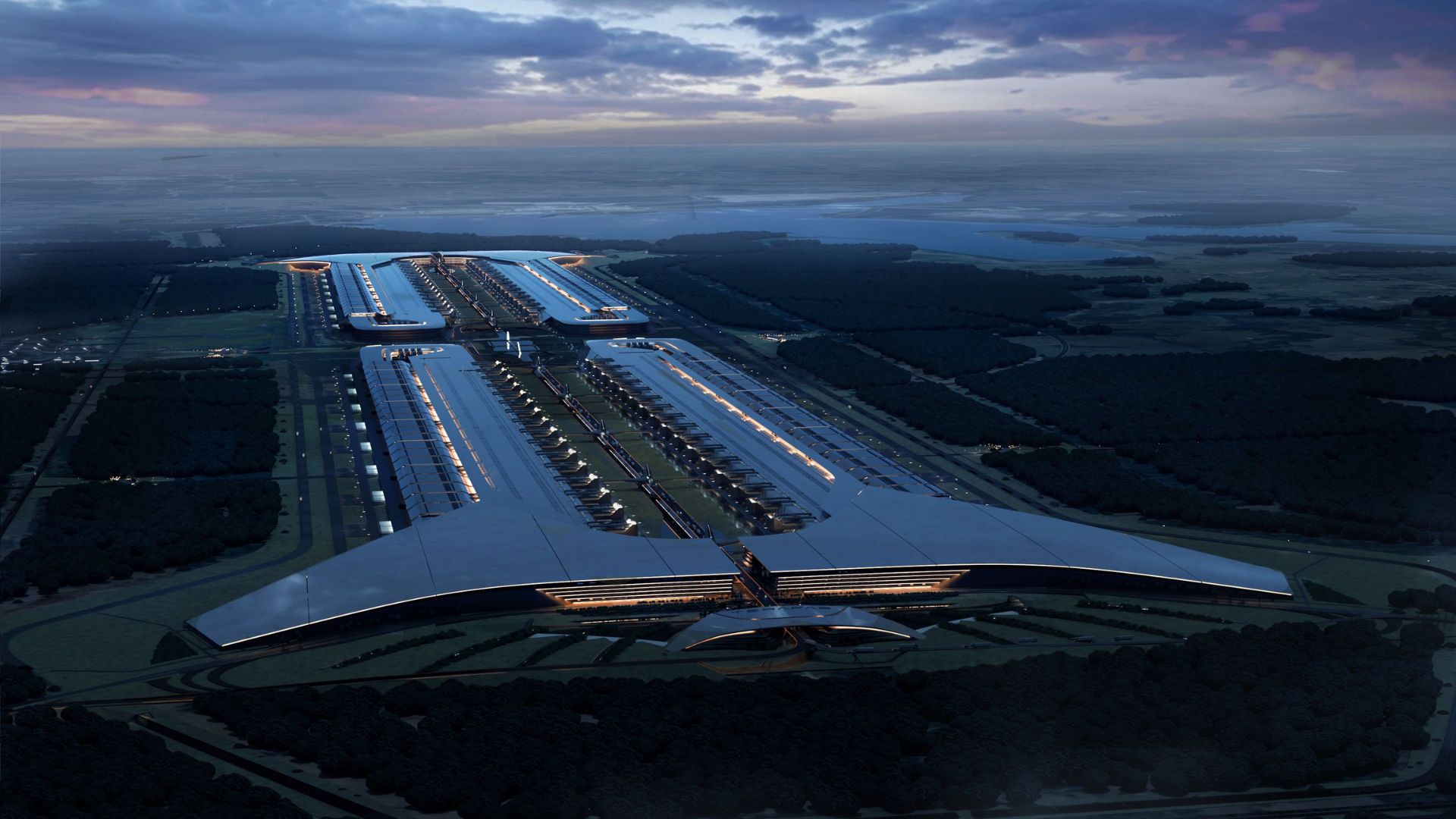
SpaceX is officially entering the semiconductor manufacturing business. Texas Governor Greg Abbott confirmed that the aerospace giant will construct a massive, vertically integrated semiconductor fabrication facility in rural Grimes County. Dubbed the “Terafab,” the first phase of the ambitious project carries a eye-popping $16.8 billion price tag and promises to create 3,000 high-paying local jobs. The facility is jointly planned by SpaceX, Tesla, and xAI, with operational support from Intel. Even before its new semiconductor initiative, SpaceX maintains a massive operational footprint across Texas, including its global headquarters and Starship development facility in Starbase, alongside a dedicated Bastrop factory that manufactures high-speed internet kits for millions of global Starlink users. “The foundations for the most exciting future are being built right here in Texas,” said SpaceX Founder & CEO Elon Musk. “We’re now embarking on the most epic chip-building effort. The Terafab is bringing cutting-edge manufacturing to America, creating thousands of high-paying jobs in the Lone Star State, and enabling us to produce AI chips at scale for use on Earth and in space,” Musk added. Terafab Texas will be the largest and most valuable building on Earth by far.And it will be stunningly beautiful. pic.twitter.com/4NweOqTL7y— Elon Musk (@elonmusk) August 6, 2026 Water, taxes, and transparency Preliminary conceptual designs depict the factory as four massive rectangular buildings featuring a futuristic, Star Wars-inspired roadway connected to the complex, though these initial visual plans remain subject to change. Musk has, in fact, called it the “most valuable building on Earth by far.” However, this facility has faced some backlash as well. In a packed county, over 900 residents voiced intense concerns over a lack of transparency and millions in tax breaks. A petition was signed urging stricter regulatory standards for major infrastructure projects benefiting from public subsidies. Plus, the locals voiced deep anxieties over power consumption, environmental pollution, and potential strain from an influx of construction workers. In response to community pushback, SpaceX representatives assured residents To independently power the facility, the company plans to build its own natural gas-fired power plants paired with large-scale battery storage systems, ensuring local electricity rates remain unaffected. To address environmental concerns, SpaceX also said that it will avoid depleting local water supplies or drying up the Navasota River. The company plans to use a closed-loop water recycling system, send waste to certified facilities, and rely on its pumping station strictly to move rainwater into the reservoir. The County Commissioner Court agreed to appoint a committee to review the petition’s demands. “We believe this agreement will strengthen our district, expand opportunities, and better prepare our students for their future,” said Anderson-Shiro Consolidated Independent School District Superintendent Dr. Sarah Borowicz. In-house chipmaking Driven by Musk’s vision of a future powered by autonomous robots, robotaxis, and space-based AI data centers, the Terafab project aims to fill a massive computing shortfall that current global chip production cannot support. It will mass-produce custom artificial intelligence chips engineered to power everything from orbital satellites to terrestrial robotics. Reportedly, SpaceX filings indicate total multi-phase investments could reach $119 billion, while partner Intel has pledged support despite remaining tight-lipped about the exact nature of its involvement. The Terafab semiconductor facility aims to deliver an annual capacity of one terawatt of AI compute. Interestingly, this compute is expected to be much “larger than the current global supply.” As per Musk’s comment on a post, approximately 75% of production will be allocated to SpaceX’s AI spacecraft and orbital data centers. While the remaining 25% will power Tesla’s Optimus humanoid robots, Cybercabs, and autonomous vehicle fleets. To entice the aerospace titan, Texas threw significant weight behind the deal. The state backed the project with a $30 million Texas Enterprise Fund grant, along with qualifications under the Texas Jobs, Energy, Technology, and Innovation (JETI) program.SpaceX’s expanding presence in Texas has driven substantial economic growth since 2024, creating over 56,000 direct and indirect jobs. The company’s local operations have delivered an estimated economic impact exceeding $28 billion.Recommended ArticlesGet the latest in engineering, tech, space & science - delivered daily to your inbox.Mrigakshi is a science journalist who enjoys writing about space exploration, biology, and technological innovations. Her work has been featured in well-known publications including Nature India, Supercluster, The Weather Channel and Astronomy magazine. If you have pitches in mind, please do not hesitate to email her.
SpaceX promises self-sustaining power and water recycling for $55b Grimes County project
Full Article
Original Source
Read the full article at Interestingengineering →KhanList aggregates and links to publicly available news content. We do not host full articles from third-party sources. Always verify important information with original sources.