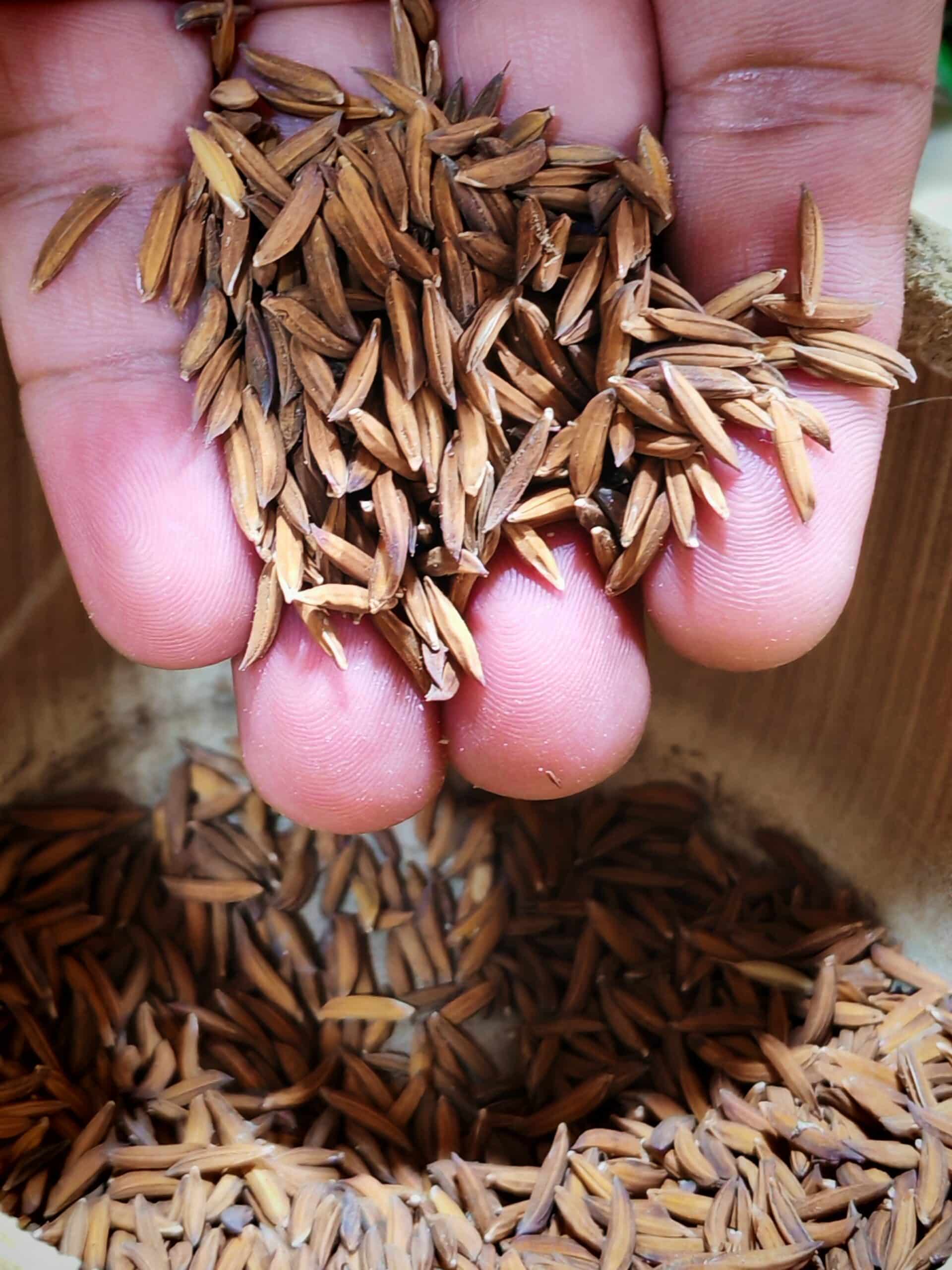
Different rice varieties are displayed at the Rice Museum in Lake Sebu, South Cotabato, showcasing the town’s rich agricultural heritage. The preservation of these traditional rice varieties is among the reasons Lake Sebu was named the first FAO Village in the Philippines. Photo by Amiel M Cagayan LAKE SEBU, South Cotabato – This rustic upland municipality, South Cotabato’s major tourism destination, was recognized by the Food and Agriculture Organization (FAO) as the country’s first rural community to champion sustainable agrifood systems, including the stewardship of at least 100 heirloom rice varieties. With its recognition as the Philippines’ first FAO Village by the United Nations body, the provincial government of South Cotabato extended P2.5 million to enhance the rice museum and seed bank in Lake Sebu town, which is famous for its three lakes, seven waterfalls, and the Tnalak cloth woven by the indigenous Tboli ethnic group. Launched last year, the FAO Villages Recognition Initiative honors rural communities that are advancing sustainable agrifood systems, conserving biodiversity, preserving food traditions and local knowledge, and fostering inclusive rural transformation. Agrifood systems encompass the interconnected components involved in the journey that brings food and non-food agricultural products like abaca from farm to consumers. Article continues after this advertisement READ: New rice varieties seen raising harvests by 2027 “[This] recognition acknowledges that rural communities are the living heart of agrifood systems preservation and transformation, and Lake Sebu perfectly embodies this vision,” Mario Samaja, FAO Villages Recognition Initiative lead, said in a statement. The Tboli and Ubo-Manobo Indigenous Peoples (IPs) of Lake Sebu were cited for their stewardship of heirloom rice and traditional crop varieties, forests, lakes and traditional knowledge, which was strengthened through years of collaboration with the government, academe and development partners. In Sitio El Lumet in Barangay Luhib here, the IPs manage to conserve 102 traditional rice varieties. “Our traditional crops are not just food. They are our life. They are our ancestors’ legacy, and our children’s inheritance. They are our living treasure,” farmer Nonito Malingay said. Article continues after this advertisement For Chita Sulan, a Tboli farmer and Tnalak weaver, heritage conservation has served as an opportunity to empower women and create better livelihoods. “I learned that being a woman is not a hindrance. When our enterprise was built, I stood up for our women members so we would have our processing center,” said Sulan, who serves as president of the Lake Sebu Indigenous Women and Farmers Association, composed of over 100 women weavers and farmers. Article continues after this advertisement As the first Philippine member of the FAO Villages global network, Lake Sebu now joins at least 300 recognized villages worldwide. The community’s achievements demonstrate that some of the world’s most effective solutions for sustainable agrifood systems are already being practiced by rural communities that have learned, over generations, how to live in harmony with nature while preserving their cultural identity, FAO said in a statement. READ: FAO global rice price benchmark down 3% in March “Some places are recognized for what they have achieved. Others are recognized because they hold solutions the world urgently needs. Lake Sebu is both,” said Lionel Dabbadie, FAO representative in the Philippines. Dabbadie paid a courtesy visit to Gov. Reynaldo Tamayo Jr. during the Tnalak Festival over a week ago. Tamayo noted that the P2.5 million for the establishment of the “Gono Menos Bnek” or rice museum and seed bank for Lake Sebu aims to sustain and showcase the locality’s agrifood system practices. Your subscription could not be saved. Please try again. Your subscription has been successful. “Lake Sebu’s recognition as the first FAO Village in the Philippines is a proud milestone not only for South Cotabato but for the entire nation,” Tamayo said. With a report from Amiel M. Cagayan/coa
South Cotabato town declared PH’s 1st FAO agrifood village
Full Article
Original Source
Read the full article at Newsinfo →KhanList aggregates and links to publicly available news content. We do not host full articles from third-party sources. Always verify important information with original sources.