
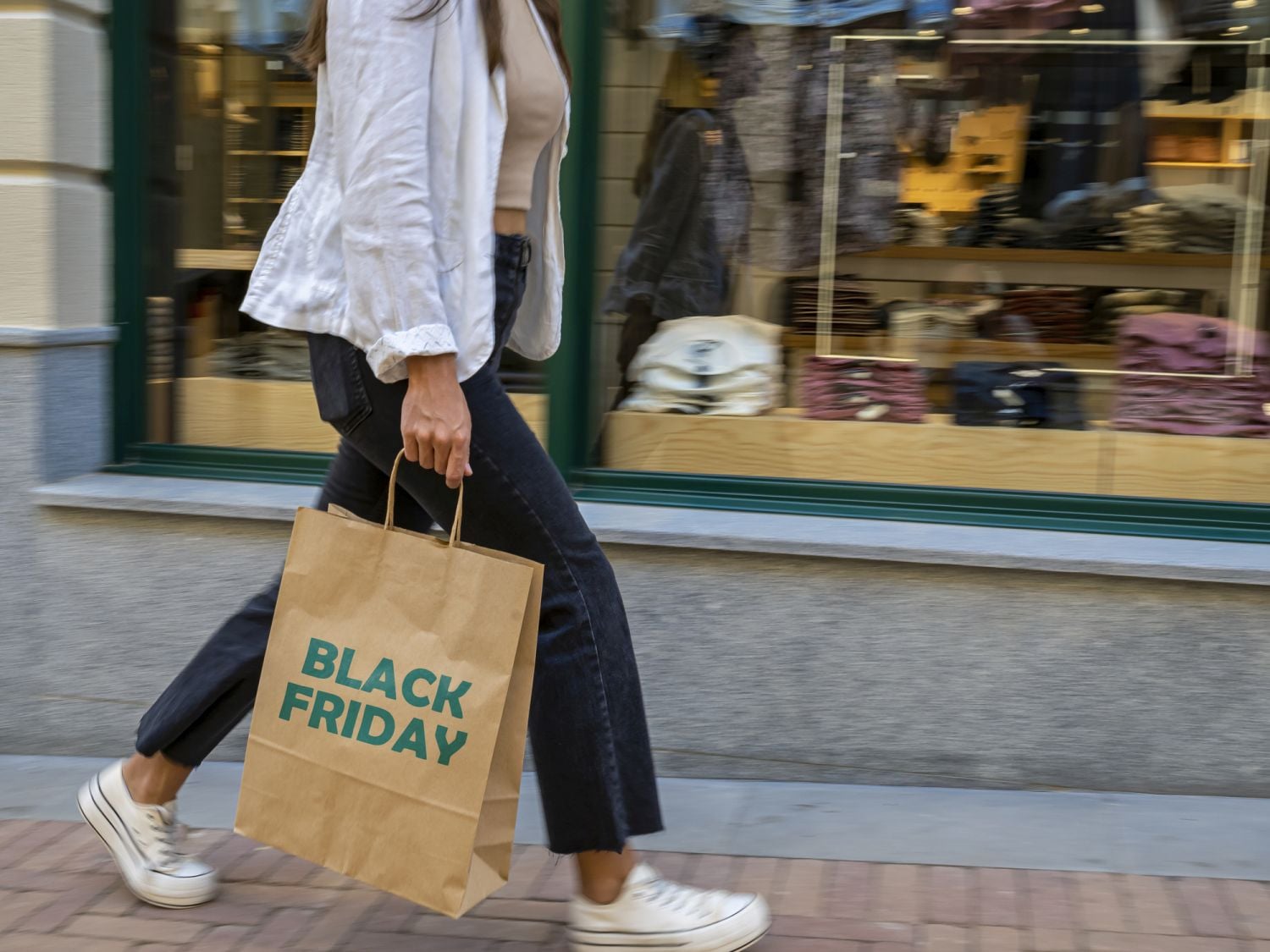
Black Friday is on 27 November 2026. With Black November and Black Friday deals tempting shoppers to spend, JustMoney is urging South Africans to prioritise essential expenses before splurging on discounted goods, as many households continue to grapple with tight budgets. According to JustMoney’s 2026 Money and Me survey, 69% of respondents choose where to shop based on special offers. Some 65% of respondents find it financially difficult to make ends meet each month, up from 61% last year. A further 43% need to borrow money before month-end, while 83% cannot cover an unexpected R10 000 expense from their savings. Buy essentials before getting Black Friday deals Head of customer experience at JustMoney, Sarah Nicholson, says the issue is not how much people save, but whether they can afford a purchase without compromising household priorities. “Black November offers genuine opportunities to stretch your budget if you find a competitive price for something you really need. However, spending R1 000 on an item you wouldn’t have otherwise bought doesn’t save you R1 000, even if the advertised discount is attractive. “Ensuring money is available for food, transport, electricity and other essentials is more important than taking advantage of a deal that leaves you short later in the month.” Tips for shoppers this Black Friday JustMoney offers the following tips for shoppers ahead of Black Friday: Set a strict budget: Decide how much you can afford to spend before browsing for bargains. Cover essential expenses and existing financial commitments first, and stop when you reach your spending limit. Make a shopping list: Identify what you genuinely need or have already planned to buy. Compare prices: Check offers at different retailers, comparing the same model, size, quantity and features. Include delivery fees and other costs, rather than relying on the advertised discount. Give yourself time: Wait 24 hours before making a non-essential purchase. Closing a shopping app or leaving an item in your online basket will help avoid impulse buying. Track spending: Several small purchases add up. Record what you buy and check the running total against your budget limit. Nicholson advises shoppers to recognise the psychological triggers that influence spending. With tempting promotions proliferating across online platforms and in stores, shoppers may feel pressured to act quickly before an offer expires. “Countdown clocks, messages warning that only a few items remain, and large discounts create a sense of urgency, perceived scarcity and pressure to buy. The excitement of finding a bargain can make spending feel like saving, making it difficult to step back and assess whether a purchase is truly worthwhile. “Scammers exploit the season too. Money and Me survey found that 47% of respondents have lost money to a scam. Check that a retailer’s website is legitimate, avoid clicking on suspicious links, and never share your PIN or one-time password (OTP). A tempting discount is not worth the risk of losing money” Credit: The cost beyond the bargain She adds that retailers promote store accounts, credit facilities and buy-now-pay-later arrangements with their Black November deals. Although these options can make a purchase appear more affordable, the repayments remain a financial commitment. The Money and Me survey found that 51% of respondents spent more than 40% of their take-home pay on debt repayments, up from 38% in 2025. In addition, 37% did not know the interest rate of their largest loan. “These findings highlight the importance of understanding the real cost of credit,” says Nicholson. “An affordable-looking monthly instalment does not necessarily mean that you can manage the payments. Interest, fees and other charges increase the total amount you repay, and several small instalments can add up to a significant monthly burden.” What to do before using credit According to JustMoney, before using credit, shoppers should: Check the total repayment amount, including all borrowing costs. Understand the repayment dates, the length of the agreement, and the consequences of missing a payment. Add the proposed instalment to existing debit orders and debt repayments to check whether the total is manageable. Consider whether you can manage repayments if an unexpected expense arises or your income is delayed. “Credit should not be treated as extra income,” adds Nicholson. “If a purchase can wait, saving for it is better than committing to repayments that will continue long after the sales have ended.”
South Africans urged to prioritise essentials before splurging on Black Friday deals
Full Article
Original Source
Read the full article at Citizen →KhanList aggregates and links to publicly available news content. We do not host full articles from third-party sources. Always verify important information with original sources.