
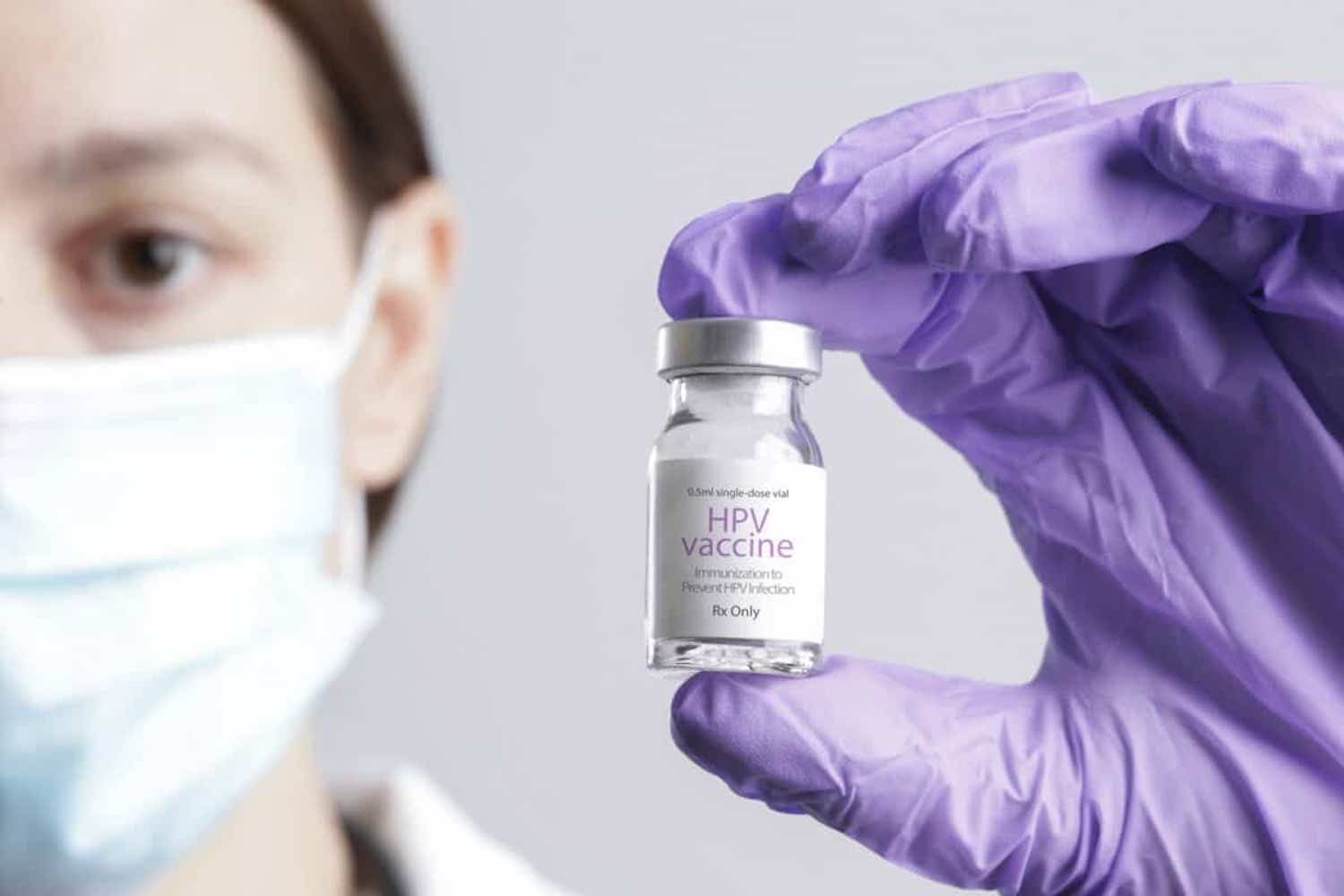
According to the department, the disease is one of the leading causes of cancer deaths among South African women. The Department of Health has renewed its pledge to end cervical cancer as a public health problem by 2030. It made the announcement on World Cervical Cancer Elimination Day, 17 November 2026, in line with the World Health Organization’s global strategy. Why cervical cancer remains a serious threat According to the department, the disease is one of the leading causes of cancer deaths among South African women, even though it is largely preventable. An estimated 8 382 women were diagnosed in 2024, and one woman dies roughly every 67 minutes. “These statistics highlight the urgent need to strengthen prevention, early detection, treatment and follow-up care,” said departmental spokesperson Foster Mohale. “Through sustained leadership, strong partnerships and collective action, South Africa can eliminate cervical cancer as a public health problem and save thousands of lives in the years ahead,” Mohale stated. HPV vaccination progress for girls The school-based programme began in 2014 and later moved from two doses to one, which the department expected to improve efficiency. Girls aged nine in private schools were also included, and plans were underway to reach out-of-school girls. “HPV vaccination remains the foundation of cervical cancer prevention,” Mohale explained. “During the February-March 2026 school vaccination campaign, 428 395 girls in Grades 5 to 7 received the HPV vaccine, achieving 90.6% campaign coverage, with six provinces exceeding 90%,” he added. Screening and treatment expand across provinces The department is widening HPV DNA testing in all provinces and working with partners such as the Clinton Health Access Initiative and Unitaid. Pilot sites at Ceza Hospital in KwaZulu-Natal and Mofolo Community Health Centre in Gauteng recorded more screenings between April and September 2026 than in the same period of 2025. “These early results demonstrate the potential of strengthened patient pathways, active follow-up and targeted service delivery to improve screening uptake,” Mohale noted. “In September 2026, 201 thermal ablation devices and 24 LLETZ machines were secured to help increase treatment capacity and bring services closer to communities, particularly in underserved areas,” he said. The cost of reaching the 2030 targets The national investment case showed that current services cost about R3.1 billion a year, and roughly 77% went to treating invasive cancer. Reaching the 90-70-90 targets would need an extra R3.42 billion between 2027/8 and 2029/30. The model projected that about 19 500 cases and 15 900 deaths could be averted over 15 years. “Achieving elimination will require a whole-of-society response,” Mohale said. “The department calls on all South Africans to support cervical cancer prevention efforts by encouraging HPV vaccination, promoting regular screening and helping women access timely care,” he urged.
South Africa targets 2030 to eliminate cervical cancer: HPV vaccine and screening explained
Full Article
Original Source
Read the full article at Citizen →KhanList aggregates and links to publicly available news content. We do not host full articles from third-party sources. Always verify important information with original sources.