
South Africa has spent nearly 20 years putting waste laws and policies in place. The Waste Act of 2008 says creating waste must be avoided where possible. Reusing and recycling items should happen instead and garbage should be safely disposed of. Its purpose is to protect people’s health and the environment. The National Waste Management Strategy, revised in 2020, is the plan for putting these goals into practice. From 2021, new rules also made producers of paper and packaging responsible for managing their products after people use them. But laws alone don’t reveal how much plastic is being recycled – or not. One estimate suggests South Africa generated about 1.55 million tonnes of plastic waste in 2020 but recycled only 301,000 tonnes – which means that four out of every five tonnes of plastic end up as garbage. Read more: Informal waste collection shouldn’t let plastic polluters off the hook: here’s why Recycling figures also need careful reading. Some measure the share of all plastic waste that gets recycled. Others count only plastic that reaches recycling facilities, leaving out waste that never gets collected. These figures tell different stories. We are conservation scientists who study plastic and microplastic pollution and ecosystem health in South Africa’s oceans and estuaries. We also explore how our research can inform environmental policy. We recently investigated why South Africa’s waste laws were not doing enough to prevent plastic pollution. Our research found three problems: Municipalities may lack the money, staff and facilities to carry out national rules. Labels such as “biodegradable” can mislead people unless they explain how and where the plastic breaks down. New collection schemes could take materials and income away from waste reclaimers unless those workers help design them. Read more: Waste pickers play a key role in the fight against plastic pollution – insights from South Africa into how their voices can be heard Based on our findings, we’ve come up with a framework of five questions that should be asked by institutions setting up plans to reduce pollution. Do the waste management policies work together? Can the rules actually be enforced? Will they protect the environment? Have the people affected by these plans been consulted? Can the responsible authorities put them into practice? We also suggest introducing changes in stages. This process, we believe, can turn national promises into practical steps that can be tracked and improved, while also showing who benefits and who pays. Make the chain visible Extended producer responsibility makes producers responsible for managing certain products even after they’ve sold them to consumers. In South Africa, producers of plastic are obliged to register with the government. They then have responsibilities as extended producers to collect or recycle their products and not allow them to end up as waste. But in reality, what happens is these obligations do not guarantee that collection and recycling work effectively everywhere. Read more: Nigeria’s plastic bottle collectors turn waste into wealth: survey sheds light on their motivation This is largely because rules made on a national level depend on local systems. The country’s constitution says refuse removal and solid-waste disposal is the job of local government. But there’s no dedicated recycling grant from national government to help with this. Municipalities may therefore lack enough funding, staff, vehicles, sorting facilities or local markets to establish and sustain recycling schemes. Another problem our research found is that labels such as “biodegradable” can mislead people unless they explain how and where the plastic breaks down. For example, biodegradable plastic can take a long time to break down. This means that claims such as “biodegradable” don’t mean that packaging will harmlessly disappear if it is thrown into a river, onto a beach or into a landfill. Read more: African digital innovators are turning plastic waste into value – but there are gaps Clear standards, accurate labels and effective oversight matter because consumers should not have to guess what a green claim means. New collection schemes could redirect bottles and other valuable materials away from waste reclaimers, reducing what they can recover and sell for income. Reclaimers should help design these schemes from the outset, with fair access to materials and paid roles or service contracts where appropriate. What needs to happen next South Africa needs a national plan to manage plastics. The country already has a substantial framework of waste laws and policies. But these aren’t always implemented and there isn’t enough infrastructure to recycle all plastics, or enough enforcement action against people or companies who break the rules. Our analysis proposes a phased national plastics governance framework to help government identify these gaps and decide what to address first. The Department of Forestry, Fisheries and the Environment could coordinate this work with provincial and municipal government, producers, recyclers and waste-reclaimer organisations. The framework should clarify who is responsible for what aspect of plastics recycling, and identify where municipalities need support to develop recycling services. Read more: Johannesburg is threatening to sideline informal waste pickers. Why it’s a bad idea Our research also suggests that deposit-return schemes should be tested through pilot projects. These are where a deposit is added to a product’s price, which is refunded when its container is returned. The organisations of waste reclaimers, who earn their living from collecting plastic waste and recovering materials for reuse and recycling, should be asked to help design these projects. The reclaimers should be able to keep accessing plastic and being paid for collection or sorting work. Safe working conditions and fair compensation should also be part of that design. South Africa’s extended producer responsibility rules already say that reclaimers must be included into the post-consumer value chain, so the task is to make that requirement effective in practice. We also identified other options, including rules on plastics that can only be used once and sources of microplastics, reuse and refill schemes, and taxes or incentives. Each option needs to be assessed for how it would affect the environment and people’s lives, what it would cost and how easy it would be to enforce. Read more: Kenya should be focused on recycling, not banning plastic bags The national plan will help government decide whether a dedicated Plastics Act is needed to fill gaps, or whether stronger coordination and enforcement of existing laws would be more effective. Our analysis does not establish which option – or which intervention – will deliver the greatest results. It offers a basis for weighing them and for adjusting policy as evidence, capacity and impacts become clearer.
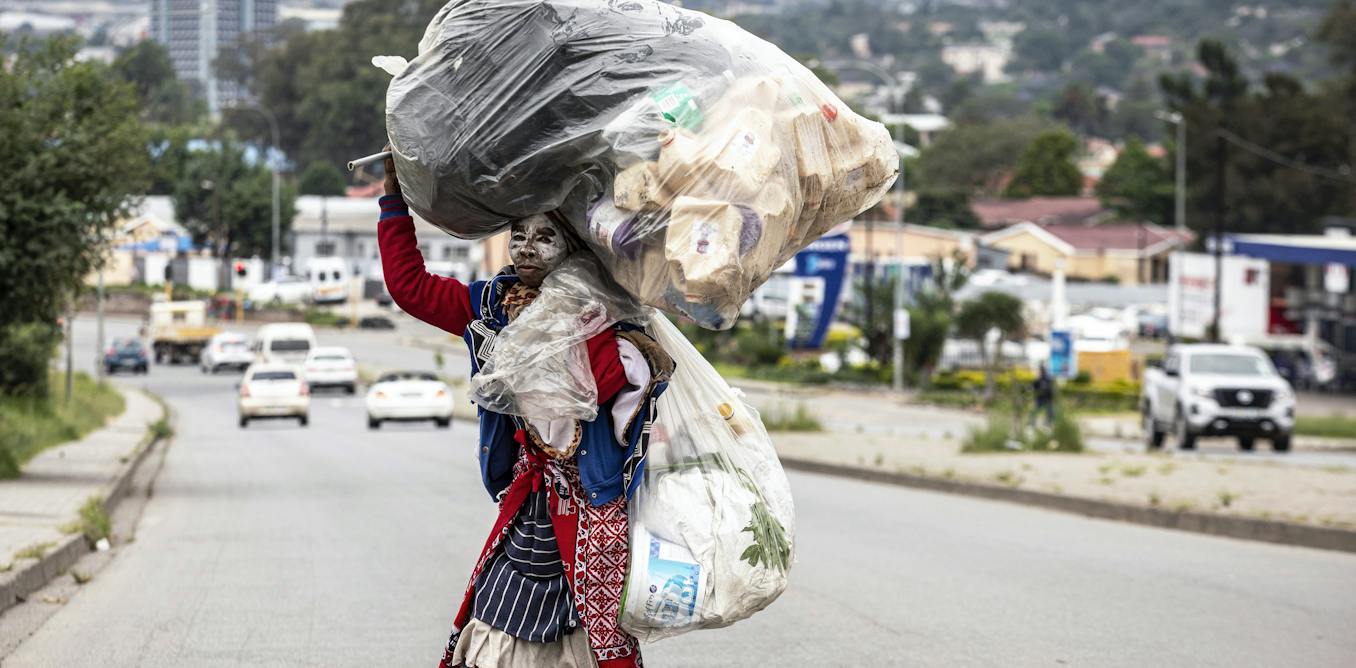
South Africa recycles only about one-fifth of its plastic waste. What’s holding it back?
Full Article
Original Source
Read the full article at Theconversation →KhanList aggregates and links to publicly available news content. We do not host full articles from third-party sources. Always verify important information with original sources.