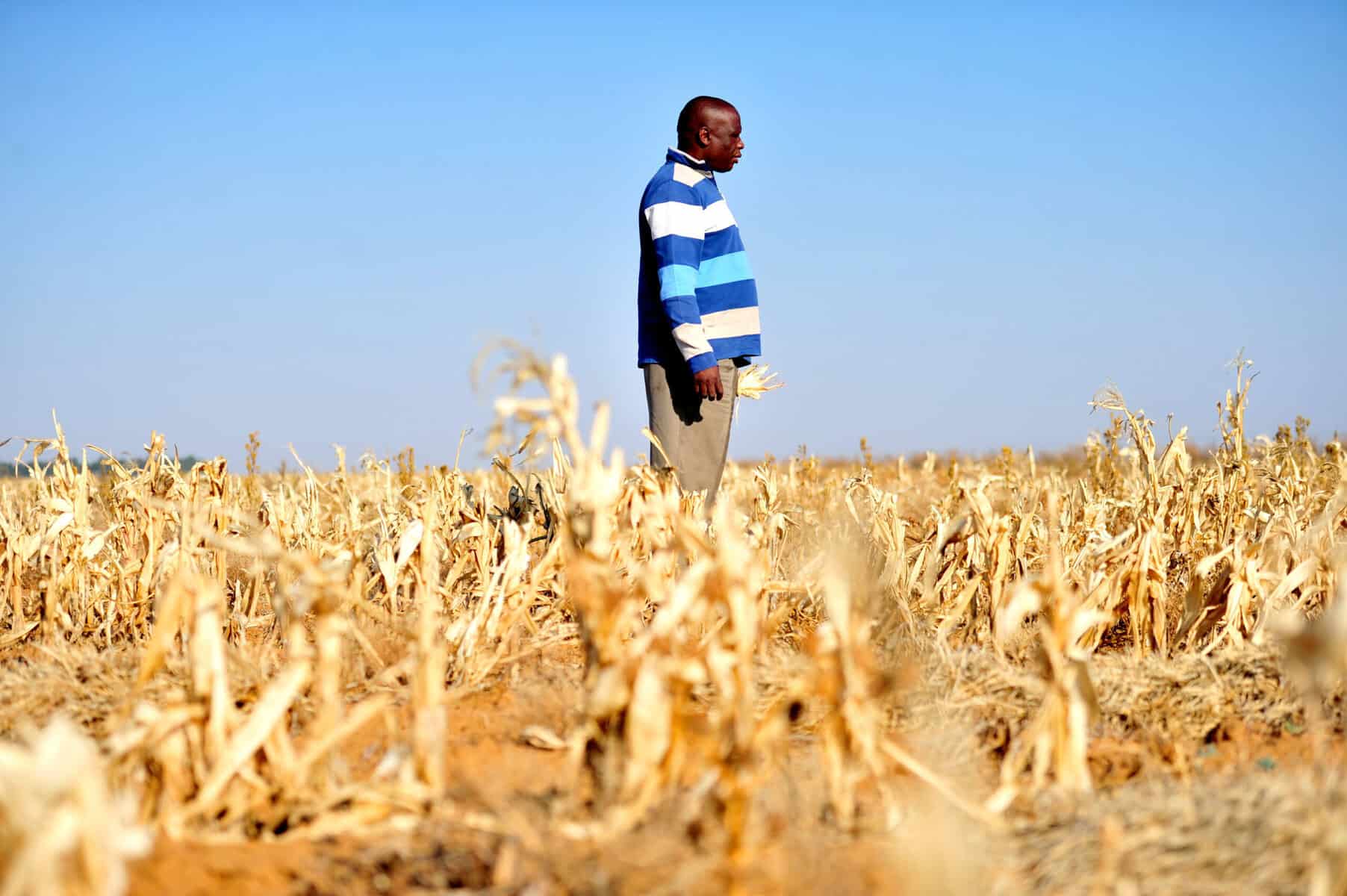
Record grain harvests and improved soil moisture could help cushion South Africa against the expected effects of a severe El Niño. The looming El Niño which is expected to hit the country towards the end of the year, could be the worst on record, meaning droughts and high temperatures across southern Africa. This is along with major impacts on a South African economy already struggling with the effects of the Middle East war and the closure of the Strait of Hormuz. Caution urged over El Niño forecasts But as farmers and government, as well as relief agencies, plan their responses to extreme weather, experts say the country is in a relatively good position to ride out the tough times. The most recent bad drought in South Africa was in 2015-16, when farmers lost thousands of head of livestock, thousands of hectares of grazing and crop yields plummeted because of the heat and lack of rain. AgriSA chief operating officer Jolanda Andrag cautioned against assuming the predicted El Niño would have an impact similar to the 2015-16 drought. “The first point to make is that we are dealing with a seasonal forecast rather than a confirmed drought,” she said. While the predicted El Niño warrants careful monitoring, Andrag added that “the intensity, timing and geographical extent of any impacts remain uncertain”. “It is equally important not to view this season through exactly the same lens as the 2015-16 drought [because] South Africa is entering the 2026-27 production season from a fundamentally stronger position,” she said. Record harvest offers a crucial buffer Andrag pointed out that the country is expected to harvest a record summer grain and oilseed crop of approximately 21.5 million tons, including the largest maize harvest on record at an estimated 17.25 million tons. “This provides ample grain supplies, significant carry-over stocks and a strong buffer against potential production shortfalls,” Andrag said. TLU chair Bennie van Zyl said it was difficult to determine which areas will be hit the hardest and what the impact will be. “We have experienced much more severe El Niño events in the past, yet farmers in certain areas still managed to produce above-average harvests, so it is hard to predict how things will play out. “Yes, we are going to have warmer weather, but the major problem might be the lack of well-distributed rainfall,” he added. Van Zyl said there was currently a five million ton maize surplus expected once the crop is harvested this year. “In some cases, moisture levels remained too high, preventing farmers from harvesting.” Van Zyl noted that this was the second consecutive year with a five million ton maize surplus, set against South Africa’s average annual consumption of 12 million tons. Soil moisture expected to aid farmers Agricultural economist Wandile Sihlobo said: “While it is understandable that many people worry about the expected El Niño, forecasts of higher food price inflation may miss some of the fundamental issues that will shape the season ahead, such as improved soil moisture and available grain supplies. “South Africa has benefited from a prolonged La Niña, which has supported the agricultural sector over the past few years. The rainfall periods have also been much longer than the typical periods.” Sihlobo said the crop estimates committee’s latest projections were revised higher and still point to a record summer crop harvest for 2025-26. “The longer rainfall season benefited the country by improving soil moisture and the water table ahead of the 2026-27 summer crop season,” he said. “When the planting period starts in October 2026, farmers across South Africa will have better than normal soil moisture to begin with. There may be sufficient soil moisture to support seed germination and crop development across the country, even as El Niño conditions are likely to result in below normal rainfall.” Meteorological facts El Niño is characterised by a warming of ocean surface temperatures in the central and eastern equatorial Pacific. It typically occurs every two to seven years and lasts around nine to 12 months. It generally begins developing between March and June and reaches its peak intensity between November and February, with impacts on global temperatures typically being most pronounced in the second year after development. The effects of each El Niño/La Niña event vary depending on the intensity, duration, time of year when it develops and also how it interacts with other climate variability modes. Not all regions of the world are affected and even within a region, impacts can be different.
South Africa is better placed for looming El Niño, experts say
Full Article
Original Source
Read the full article at Citizen →KhanList aggregates and links to publicly available news content. We do not host full articles from third-party sources. Always verify important information with original sources.