
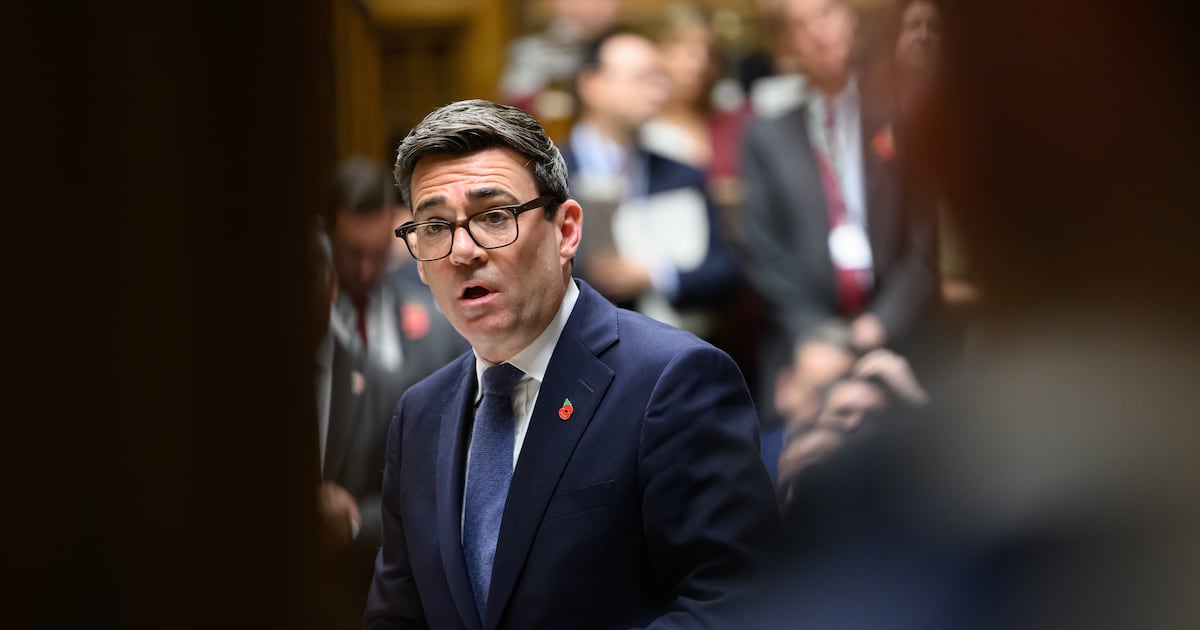
Britain dominated the slave trade throughout the 18th century before abolishing it early in the 19th. Now, almost 200 years later, it seems a formal apology may be on the way.UK prime minister Andy Burnham is expected to hold talks over coming days in Antigua and Barbuda with leaders of Commonwealth nations about the wording of a historic British apology for its role in slavery. Yet not everyone in the UK is happy about it.Britain has never formally apologised for its role in the global slave trade. Former prime minister Tony Blair came closest in 2006 when, on behalf of his nation, he expressed his “deep sorrow that it ever happened”. But Britain has never said sorry.Nations of the Commonwealth, which include a slew of the African and Caribbean countries most affected by slavery, have long since sought an apology and also financial reparations from Britain. Its empire exported 3.2 million African slaves to work on sugar plantations in its Caribbean colonies before it abolished the practice in 1834.READ MOREBritain’s king Charles has faced calls to apologise for his country’s role in the slave trade during this week’s Commonwealth heads of government meeting in St John’s, Antigua. Yet it seems as if Burnham is the one laying the groundwork at the meeting to say sorry.Britain's king Charles during his visit to St John's in Antigua and Barbuda on Monday. Phogotraph: Chris Jackson/Getty Images The UK prime minister wrote an article for the Guardian newspaper over the weekend in which he declared his “sincere sorrow” that Britain played such a prominent role in the trade of enslaved humans. He said Britain must “face up to the past” and he acknowledged that he was “open” to the idea of an apology.“We are a country that participated in the trade in human lives,” said Burnham. “The transatlantic slave trade was a brutal and barbaric violation of those people. They were denied their humanity. I want to express my sorrow and regret for the pain and suffering of so many millions of people, and to recognise the way it still shapes our world today.”His domestic political opponents, however, believe any British apology for its role in the slave trade would only open up the country to demands for compensation from African and Caribbean countries.“This summit is yet another opportunity for people to start asking Britain for money because of the slave trade. We need to start looking at how we can bring the Commonwealth together – start looking forwards, not backwards,” said Kemi Badenoch, the leader of the opposition Tories.“I don’t think we should be giving any money to compensate people for the slave trade, and I don’t think that Andy Burnham needs to be apologising because it is a lever to wedge open the door to ask for cash.”Fiscally-straitened Britain is in no mood to pay up. Burnham appeared to rule out reparations over the weekend: “I do not think that British people today can be held liable for historical wrongs, however heinous, that happened in a different age under different laws and in which they played no personal part.”At a briefing with Westminster journalists on Monday, a spokesman for 10 Downing Street said “an apology does not mean accepting present day liability” for the impact of slavery. But he confirmed that “discussions begin now” over a possible future apology.Burnham’s foreign secretary, Ed Miliband, and Britain’s former prime minister, Gordon Brown, who promoted Burnham to cabinet in 2008, are in Antigua to discuss future debt relief for African and Caribbean nations most affected by slavery.Meanwhile, Burnham’s government has committed to an ongoing “structured dialogue” with Commonwealth nations before a formal apology, which could take months.
Sorry may no longer be the hardest word for Britain when it comes to slavery
Full Article
Original Source
Read the full article at Irishtimes →KhanList aggregates and links to publicly available news content. We do not host full articles from third-party sources. Always verify important information with original sources.