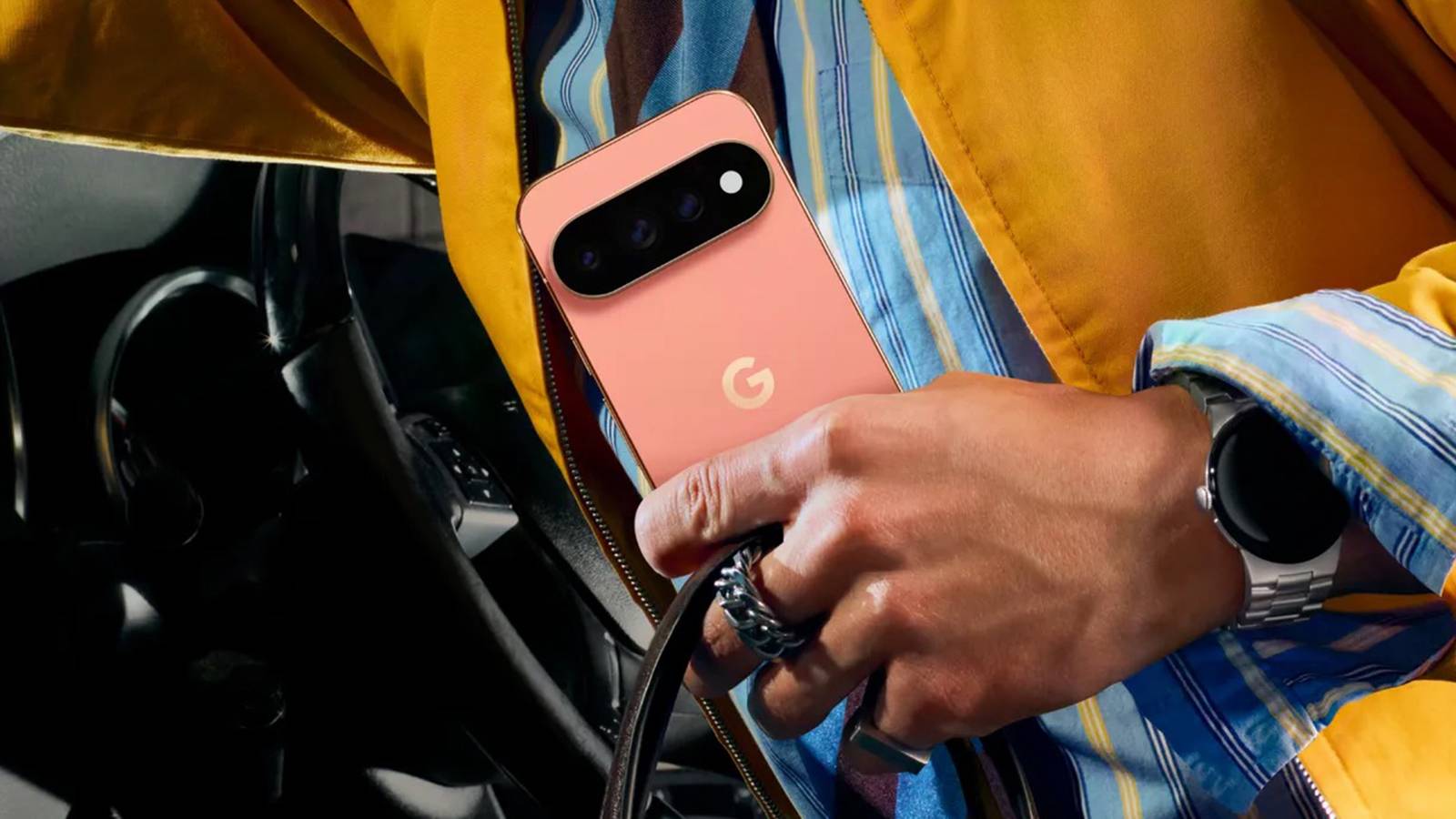
Published Aug 13, 2026, 9:00 AM EDT Jon is a seasoned journalist who has written definitive coverage of consumer tech at publications like Engadget, Android Authority, and BetaKit. He's an expert on making tech accessible ranging from mobile and PCs to emerging platforms like wearables. When he's not writing, he's going on adventures with ihis family and is an avid photographer. I like the Google Pixel 11 series. Between the camera upgrades, faster processor, and the potential of Gemini Intelligence, there's a lot to appreciate. And yes, I appreciate perks like Qi2 wireless charging and bright colors. But it's another incremental upgrade from Google at a time when the company can ill afford it. Samsung is guilty of its own iterative approach, but it's still moving faster between novel designs, better overall performance, and more useful features. While I can see Google catching up in time, right now it's still giving Samsung the Android throne. Samsung is pushing design limits while Google plays it safe Its boldest models show what a phone can really do Google says the Pixel is on a two- to three-year design cycle, so it's no surprise that the Pixel 11 lineup is ultimately a refinement of the Pixel 9. That isn't much comfort if you're an Android enthusiast, however, as there's little reason to upgrade unless you have an old phone or insist on having Google's latest hardware. Samsung, meanwhile, has been on a tear. While you can rightly call most of the Galaxy S range highly iterative, it's pushing boundaries in a way Google simply doesn't. The Galaxy Z Fold 8 is a prime example: it has a newer form factor and a much sleeker profile than the Pixel 11 Pro Fold, even as it should beat its rival in raw performance. The Galaxy S26 Ultra has a clever privacy-protecting screen. And while models like the Galaxy S25 Edge and Galaxy Z TriFold were short-lived, Samsung was at least taking a chance. I won't be surprised if the Pixel 12 series helps Google catch up in design, and I'll be the first to celebrate if it does. But I can only go by what's available, and right now the Pixel 11 just isn't the industry-defining phone it could (and should) be. Samsung decimates Google in performance Google isn't improving quickly enough Google 10 Pixel Pro XL and Samsung Galaxy S26 Ultra.Credit: Stephen Radochia / Android Police Google has continuously advanced the Pixel line's custom Tensor processors, and the Tensor G6 makes meaningful strides forward in performance and efficiency, particularly in AI and camera prowess. If you want a great phone for AI agents or nighttime photography, it's all you need. But many of us want more, and Samsung still has the advantage. The Snapdragon and Exynos chips in the Galaxy S26 family still handily outperform the Tensor G6 in early tests, and that matters. I like to juggle multiple apps, run intensive creative tools, and play demanding games, and Samsung simply handles those better. It doesn't help that Google even downgraded some Pixel 11 Pro models from 16GB of RAM to 12GB, even if the memory crisis didn't leave much choice. Speed isn't always a must-have (one of my favorite phones is the Pixel 9a), and there's hope the Pixel 12 will leap forward in overall performance, not just camera tech and AI. Even so, you expect flagship-class power when you pay flagship phone money, and Google isn't there yet. Samsung makes hardware features you want to use Google still struggles to move beyond novelties Google Pixel 11 Pro Fold, Pixel 11, Pixel 11 Pro, and Pixel 11 Pro XL.Credit: Google Both Google and Samsung are guilty of making phones with questionable gimmicks. Remember the Galaxy Note Edge and its one-curve screen? However, Samsung has largely moved on, while Google has been stuck for years with squeezing, radar-based hand gestures, and other features that rarely get used after the initial curiosity wears off. The Pixel 11 series replaces the mostly neglected temperature sensor (mainly useful for cooking and fevers) with the HiLight notification LED. It's handy for showing important call alerts without getting sucked into more screen time, but only so many people want to keep their phones face down. More importantly, other companies do it better: a Nothing Phone 4a Pro can display info, and it costs hundreds less. Samsung still isn't immune to gimmickry (does anyone use the Galaxy Z Flip like a camcorder?). But it's generally smarter when it does take a gamble. The Galaxy S26 Ultra's Privacy Display is genuinely helpful if you're worried about prying eyes, and the seemingly overkill 200-megapixel camera in many Galaxies makes them extremely flexible. Google has software advantages like Magic Capture (to auto-compose and edit photos), and remains the best pick if you want the latest Android features as soon as they're ready. But Samsung now introduces some features in sync with, or even ahead of, Google. Gemini Intelligence debuted on Galaxy Z phones weeks before the Pixel 11 arrived. If I'm going to buy a cutting-edge Android phone, it's the hardware that will draw me in. For now, Samsung has the more practical exclusives. I'll be happy if the Pixel 12 nails the fundamentals first, but I want more than HiLight as a standout feature.
Sorry, Google—the Pixel 11 proves Samsung still owns Android's future
Full Article
Original Source
Read the full article at Howtogeek →KhanList aggregates and links to publicly available news content. We do not host full articles from third-party sources. Always verify important information with original sources.