
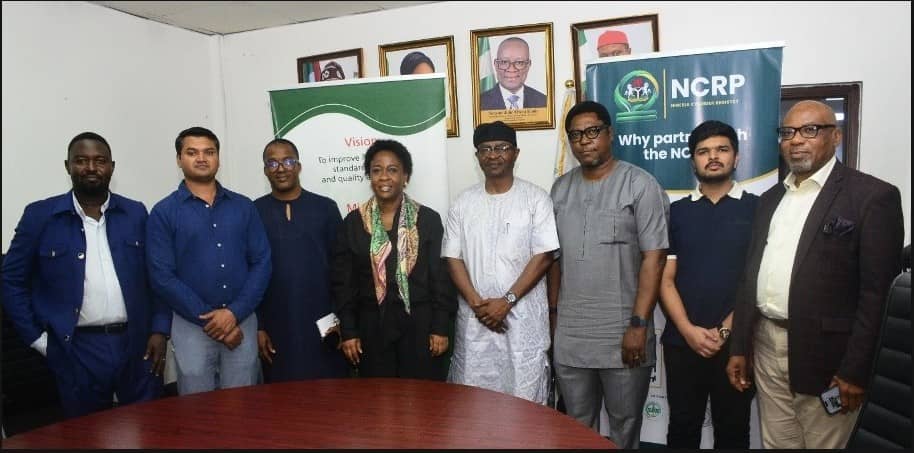
The Standards Organisation of Nigeria (SON), alongside key government agencies and energy sector leaders, has launched the National Cylinder Recirculation Programme (NCRP), a nationwide initiative designed to enforce Liquefied Petroleum Gas (LPG) cylinder safety, improve digital tracking, and boost clean cooking adoption across the country. Announced at a press conference at SON’s Operational Headquarters in Lagos, recently, the NCRP establishes a unified system for cylinder registration, inspection, requalification and safe exchange. The framework directly addresses growing public safety concerns over the widespread use of expired, damaged, uncertified and poorly maintained gas cylinders. At the core of the initiative is the National Cylinder Registry, a digital database that assigns a unique digital identity to every cylinder entering the market. This allows regulators and operators to track a cylinder’s entire lifespan—from initial registration and inspection to filling, retail distribution and eventual exchange. Under the new process, existing cylinders in circulation will be evaluated at Authorised Requalification Facilities (ARFs). Units that meet required safety standards will be approved for continued use, while damaged or expired cylinders will be safely removed from circulation for repair or disposal. Consumers will be able to swap old cylinders for certified, pre-filled units at authorized retail outlets, ensuring a steady phase-out of unsafe cylinders without disrupting household access. Speaking on the launch, Director-General and Chief Executive Officer of SON, Dr. Ifeanyi Chukwunonso Okeke, stated that safe LPG use requires strict quality control beyond simply supplying gas. “It requires strict adherence to cylinder quality standards, responsible handling and effective lifecycle tracking across the supply chain. Through the NCRP, we are unifying statutory quality control with digital traceability to protect Nigerian lives and property while building consumer trust in clean energy,” he said. Beyond safety enforcement, the NCRP serves as a key economic vehicle supporting the Federal Government’s Decade of Gas agenda. By establishing a structured cylinder distribution model, the initiative is set to drive demand for local cylinder manufacturing, expand testing infrastructure, attract private investment, and create jobs across the gas value chain. Lead Programme Director of the NCRP Secretariat and Managing Director of FuelTree, Dr. Bekeme Olowola, emphasized that the initiative connects regulatory oversight with economic opportunity. “The NCRP is about much more than putting QR codes on gas cylinders. We are building a national system that makes cylinder safety verifiable, supports the expansion of domestic LPG consumption and creates new opportunities for investment, enterprise development and job creation,” she stated. She highlighted that integrating manufacturers, marketers, retailers and safety regulators through a single digital system creates a practical structure capable of attracting international climate finance. The programme also supports Nigeria’s climate goals by encouraging households to transition from traditional fuels like firewood, charcoal and kerosene to cleaner energy. By capturing verifiable environmental data through its digital registry, the NCRP could eventually generate carbon credits to help subsidize cylinder costs and make clean cooking more affordable for low-income households. Commercial operators and industry associations have already begun integrating into the network. Better Gas is aligning its cylinder-swapping operations and last-mile micro-distribution hubs in Abuja with the national framework. General Manager of Better Gas, Bolaji Orofinlu, noted that reliable supply logistics and strong retail partnerships are essential for expanding safe cylinder access. Industry stakeholders have also reinforced the need for strict enforcement. Executive Secretary of the Nigerian Association of Liquefied Petroleum Gas Marketers (NALPGAM), Mr. Bassey Essien, stressed the urgency of removing hazardous units, noting that obsolete cylinders past their lifespan pose significant safety risks and must be systematically withdrawn from the market. Backed by the SON Act No. 14 of 2015, the programme involves collaboration across multiple government bodies, including the Federal Ministry of Petroleum Resources (Gas), the Federal Ministry of Environment, the Nigerian Midstream and Downstream Petroleum Regulatory Authority (NMDPRA), the National Council on Climate Change (NCCC), and the Decade of Gas Secretariat. Following its Lagos launch, the NCRP will proceed with stakeholder onboarding, digital registry integration, and a phased rollout across Nigeria’s six geopolitical zones. The national unveiling will take place later in October in Abuja during the Nigeria Clean Cooking Forum 2026, followed by an international presentation at the UN Climate Change Conference (COP31) in Antalya in November. https://meet.google.com/call?authuser=0&hl=en&mc=KAIwAZoBFDoScGludG9fMTh6dnE4YXppOTRhogE3MgJQADoCEAFKBAgBEAFaAggAagIIAXICCAF6AggCiAEBkgECEAGaAQQYASAAogECEADiAQIIALIBBxgDIAAqATDCAQIgAdgBAQ&origin=https%3A%2F%2Fmail.google.com&iilm=1792771916313
SON, Stakeholders Launch LPG Cylinder Recirculation Programme
Full Article
Original Source
Read the full article at Thisdaylive →KhanList aggregates and links to publicly available news content. We do not host full articles from third-party sources. Always verify important information with original sources.