
A prickly controversy of sale and storage of non-vegetarian food has come to the fore in Gujarat, with the high court testing the limits of the state’s interventions in people’s choice of business and way of life.Interestingly, the two orders to keep non-vegetarian food away from Gujarat's religious spaces, issued a week apart in August, ended in opposite ways within weeks of one another. Whereas the court upheld one order banning sale of non-veg food, the municipality climbed down in the other, unrelated instance.On August 10, a notification in Gir Somnath district had banned preparing, storing and selling of non-veg food within 500 metres of the Somnath Temple and along six roads of the pilgrimage circuit. In the second separate instance, on August 17, the chief officer of Radhanpur municipality in Patan district ordered slaughterhouses, meat, fish and poultry sellers and non-veg restaurants shut for four months (Chaturmaas) because a senior Jain leader would be staying in town.Radhanpur's traders went to the Gujarat High Court. They called the order an unreasonable restriction violating Articles 14 (right to equality) and 19(1)(g) (right to practise any profession, trade or business) of the Constitution. Two months later, the local municipality withdrew its order. Its counsel told the bench there was “no provision under the Gujarat Municipalities Act” for such an order and promised not to press it or take coercive steps. In late October, the businessmen withdrew the petition with liberty to return even as the court recorded this as a concession, not a ruling. Thereafter, Somnath went the other way, and rather dramatically. Six restaurant owners had challenged the August 10 notification, arguing that the district magistrate had no power to impose a blanket ban.On October 30, Justice Nisha M. Thakore of the high court quashed the ban. She rejected the argument that the ban was needed to protect devotees’ religious sentiments. In an earlier hearing, the judge had observed that authorities may regulate the preparation, storage and sale of non-veg food but cannot ban it outright.Yet the victory lasted only about two and a half hours as a division bench of Acting Chief Justice Manash Ranjan Pathak and Justice Nirzar S. Desai heard the State's urgent appeal and stayed Justice Thakore’s order.At an earlier hearing, the State had argued that the right to business cannot override the “religious, historical and cultural character” of a pilgrimage site. The matter is slated for further hearing this month.Restriction and ban on consumption of non-vegetarian food is a sore controversy in Gujarat. Palitana is the only town in the state with a total ban on selling meat. In 2014, this Jain pilgrim centre was declared meat-free, banning the sale of meat and eggs and slaughter within municipal limits, as some 200 Jain monks went on a hunger strike. About 250 shops closed down. The town then had about 65,000 residents, a quarter of them Muslims.Somnath and Ambaji have zone-based non-veg bans. In 2019, then chief minister Vijay Rupani had declared 500-metre veg zones around Somnath and Ambaji. The latest version adds six connecting roads, expanding the range of the area under the ban.Subscribe to India Today Magazine- Ends
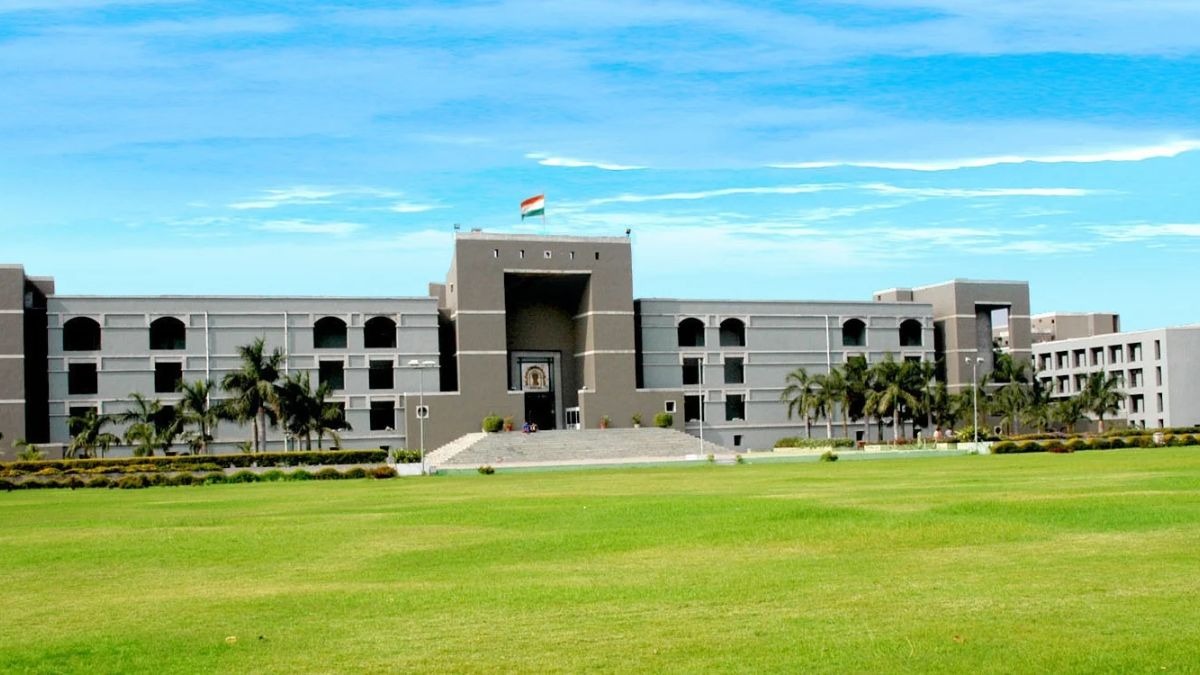
Somnath non-veg ban is back, Radhanpur's gone: Gujarat HC tests limits of State power
Full Article
Original Source
Read the full article at Indiatoday →KhanList aggregates and links to publicly available news content. We do not host full articles from third-party sources. Always verify important information with original sources.