
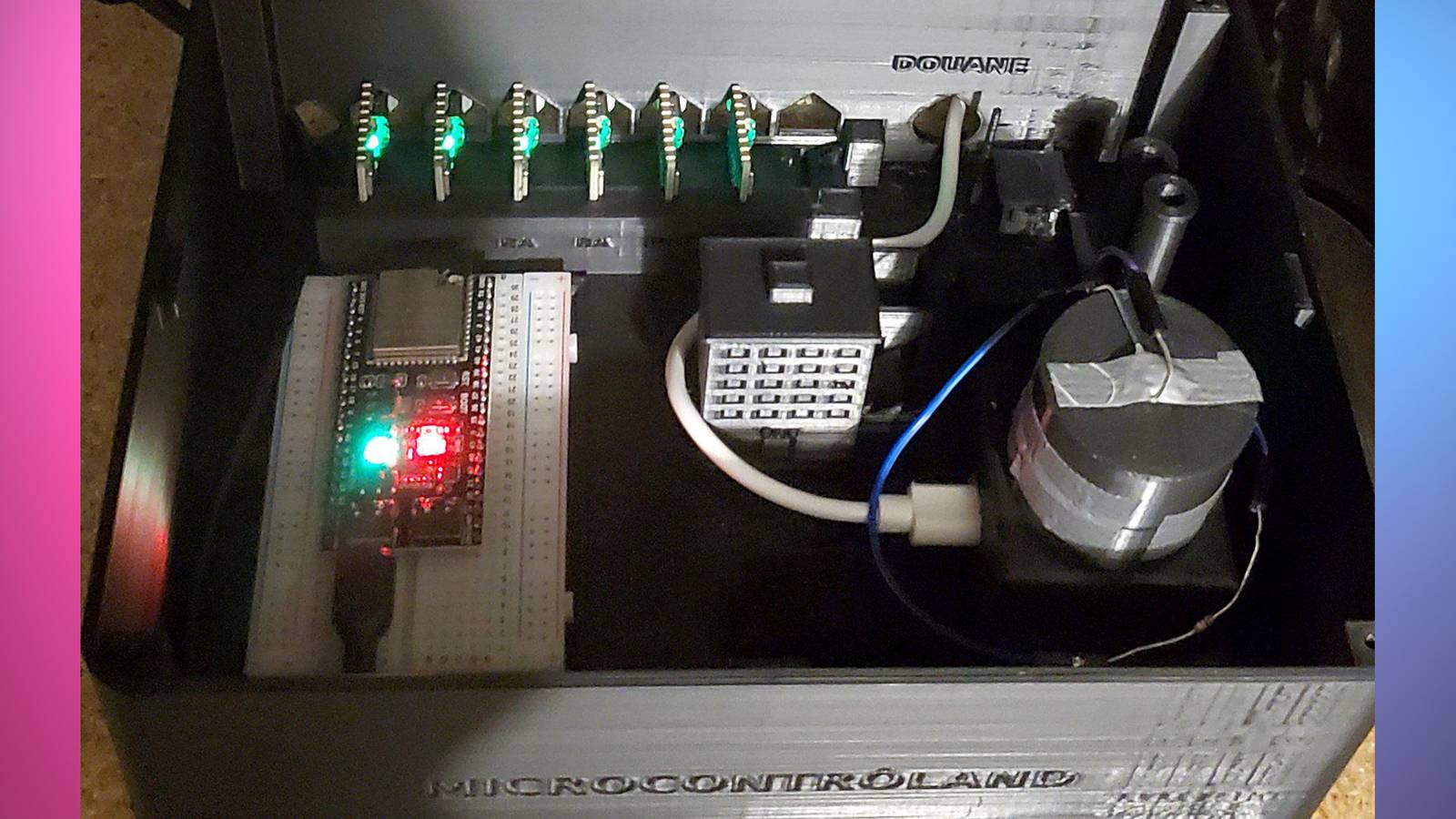
Published Nov 28, 2026, 3:03 AM EST Simon is a Computer Science BSc graduate who has been writing about technology since 2014, and using Windows machines since 3.1. After working for an indie game studio and acting as the family's go-to technician for all computer issues, he found his passion for writing and decided to use his skill set to write about all things tech. Since beginning his writing career, he has written for many different publications such as WorldStart, Listverse, and MakeTechEasier. However, after finding his home at MakeUseOf in February 2019, he would eventually move on to its sister site, XDA, to bring the latest and greatest in Windows, Linux, and DIY electronics. Summary Seven ESP32-S3s run Microcontrôland, a country that houses 120 digital citizens. Its gateway board runs elections, publishes nightly papers, and logs raw data over radio. The digital world includes newspapers, a museum, a library, polls, an embassy, and customs, with a lottery in progress. If you've ever played a game like Dwarf Fortress or Rimworld, you'll know how fun it is to watch little fictional settlements play out, build themselves up, and then fall to something utterly ridiculous. But what if you could simulate a little republic using the power of seven ESP32-S3s linked together? Well, one person has done just that, and the miniature digital civilisation has already gotten up to a lot. Microcontrôland is a tiny republic that plays out across seven ESP32-S3s It even has its own newspaper Over on the ESP32 subreddit, the aptly-named user MicrocontrolandMaker showed off their project. It's called Microcontrôland, and it uses an array of ESP32-S3s to simulate a tiny country: Six ESP32-S3 boards each host 20 tiny neural nets (9-6-3, 81 int8 weights each, 120 "citizens" in total). A seventh board is the gateway: it collects the regions over radio, runs elections, and publishes a small newspaper and raw data files every night. The simulation only draws about 6.4W of power while it's running, which is pretty cheap, given how it's basically emulating the politics and workings of a country. It also means you can totally leave it on and watch them evolve without racking up a huge energy bill. So, what does Microcontrôland look like right now? Well, it has 120 citizens, with six regions and a capital. There have been 6 presidents elected over 16 elections, and there have already been two revolts. On top of that, there is: a newspaper, a rebel newspaper that appears during censorship, a language with 40 common words, a national museum with over 300 artworks, a library with books the citizens write, a polling institute, an embassy, a tourist office, a customs post, and they're laying the foundations for a national lottery. Phew, quite a lot for seven ESP32s. If you'd like to check out this tiny country, head over to the Microcontrôland website. There, you can 'adopt' a citizen to see what they get up to, take a 3D tour of the museum, and even read the daily paper.
Someone used seven ESP32s to simulate a fictional republic, and you can visit its museum
Full Article
Original Source
Read the full article at Xda-developers →KhanList aggregates and links to publicly available news content. We do not host full articles from third-party sources. Always verify important information with original sources.