
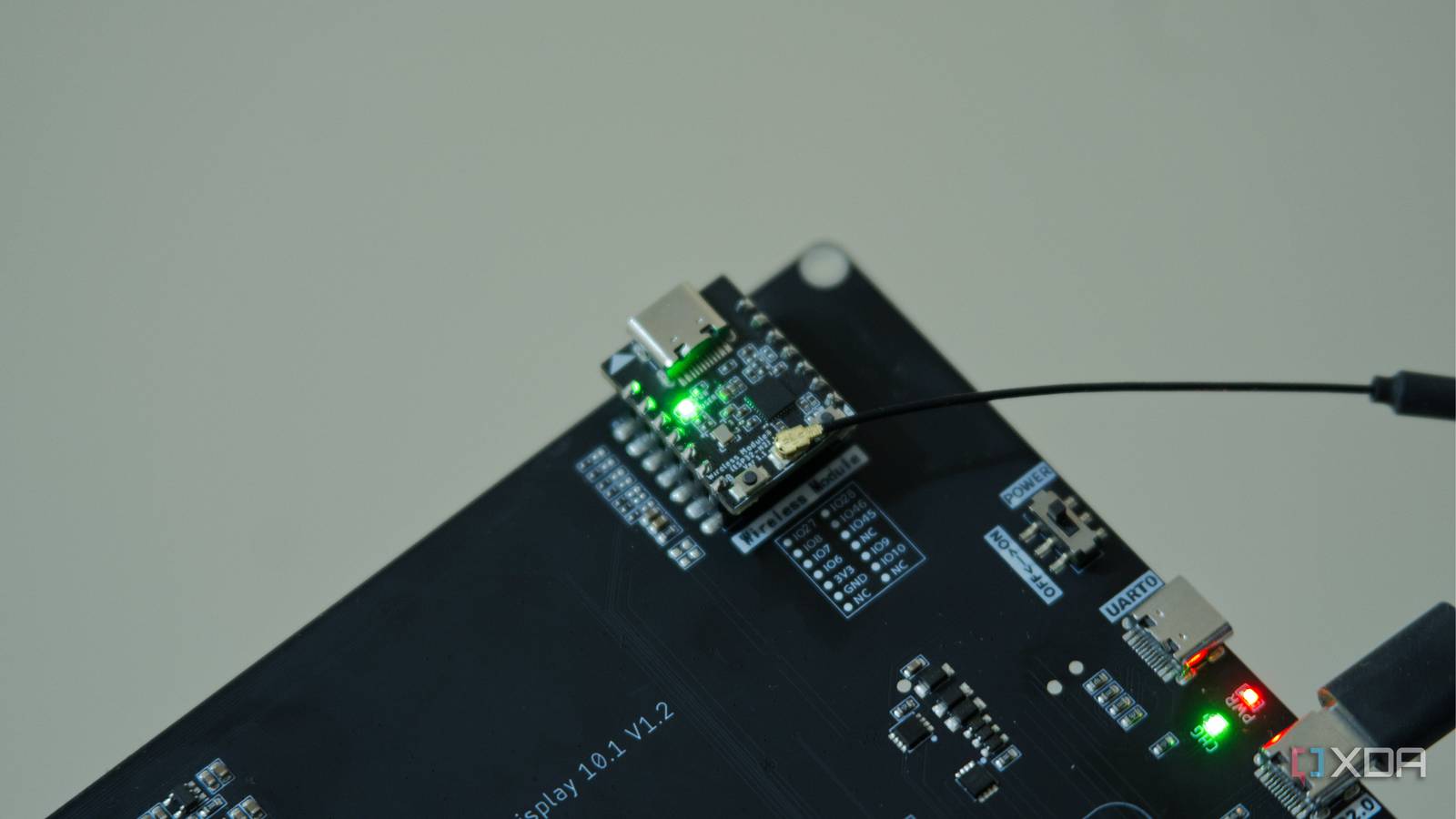
Published Nov 25, 2026, 1:49 AM EST Simon is a Computer Science BSc graduate who has been writing about technology since 2014, and using Windows machines since 3.1. After working for an indie game studio and acting as the family's go-to technician for all computer issues, he found his passion for writing and decided to use his skill set to write about all things tech. Since beginning his writing career, he has written for many different publications such as WorldStart, Listverse, and MakeTechEasier. However, after finding his home at MakeUseOf in February 2019, he would eventually move on to its sister site, XDA, to bring the latest and greatest in Windows, Linux, and DIY electronics. Sign in to your XDA account Summary KolibriOS-like OS runs natively on ESP32-P4 with a Rust kernel implementing Kolibri system calls. Touchscreen UI with on-screen keyboard, Wi‑Fi via onboard C6; NetSurf (JS), image/PDF viewers and games, Doom works. Boots to desktop in ~3.5s; still buggy—Quake relaunch crashes, modern sites struggle, and no standby yet. Claude users have been going through a phase of shrinking software to the smallest possible size. A trend has emerged of fitting sizable games and experiences into ridiculously small HTML files, starting with a swimming sim that was only 97 KB. Now, someone has managed to get a KolibriOS-compatible system running on the ESP32-P4, without the need of an emulator. And Claude Code did most of the heavy lifting. This KolibriOS-compatible OS runs off your ESP32-P4 You can give it a spin right now Over on the ESP32 subreddit, user TheUnkn0wnC0DE showed off ESP32-OS. It's mostly made by Claude Code, and it brings a KolibriOS-like experience to your microcontroller. Here's how TheUnkn0wnC0DE describes it: There's no emulator involved. KolibriOS is written in x86 assembly, so instead of porting it I wrote a kernel in Rust that provides the same system calls, and the original C programs run on top of that. You use it only by touch, with an on-screen keyboard for typing. Wi-Fi runs over the C6 that's on the board. So far there's a browser (NetSurf with JavaScript), an image viewer, a PDF viewer and a few games. Doom works well. From power on to desktop takes around 3.5 seconds. There are still a few problems that need to be worked out; for example, launching a new game in Quake crashes it, and modern websites don't run so well on it. Plus, there's no standby mode. But if you're still willing to give it a shot, you can check out the ESP32-OS GitHub page and website for more information.
Someone used Claude Code to make a KolibriOS-compatible OS that runs off an ESP32-P4
Full Article
Original Source
Read the full article at Xda-developers →KhanList aggregates and links to publicly available news content. We do not host full articles from third-party sources. Always verify important information with original sources.