
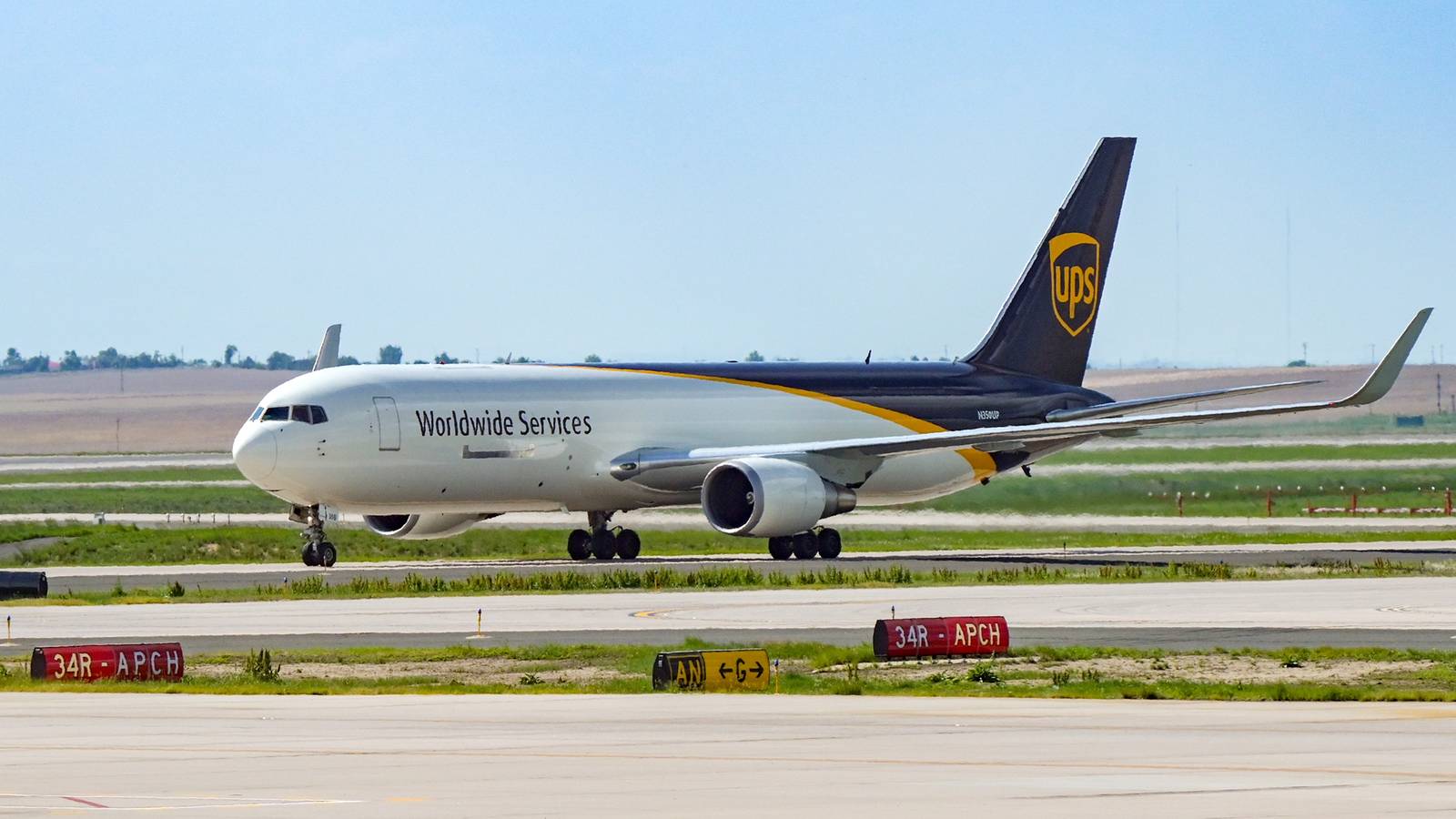
Credit: Ceri Breeze | Shutterstock Published Nov 15, 2026, 1:48 AM EST Luke has over a decade of experience as a travel writer and aviation analyst. As a passionate traveler based across the Middle East and Asia, Luke offers strong insights into the industry. Based in South East Asia. Sign in to your Simple Flying account A UPS Airlines Boeing 767 freighter and a Copa Airlines Boeing 737 collided while taxiing at Miami International Airport (MIA) on Saturday night. According to the Federal Aviation Administration (FAA), the wingtip of the Copa passenger jet struck the nose of the 767 as the cargo aircraft taxied for departure. Air traffic control (ATC) had instructed the UPS crew to give way to the 737, and one of its pilots acknowledged the mistake over the radio moments after the collision, saying, "We went too far." The FAA has opened an investigation into the collision, which happened a day after a rare nationwide ground stop brought US air travel to a halt. How The Collision Unfolded On The Ground At MIA Credit: Ceri Breeze | Shutterstock The collision occurred at approximately 9:15 PM local time at the intersection of two taxiways. Copa Airlines flight 427, operated by a Boeing 737-800, had just arrived from Tocumen International Airport (PTY) in Panama City, while UPS flight 358 was taxiing for departure en route to El Dorado International Airport (BOG) in Bogotá. As the Copa jet taxied toward its gate, controllers instructed the UPS crew to give way and let the 737 pass before continuing toward the runway. However, the 767 continued too far and moved into the Copa aircraft's path. The 737's left wingtip then struck the nose of the freighter as it passed, bringing both aircraft to a stop on the taxiway. Audio from ATC.com captured the radio exchange during the collision. After the Copa crew reported, "Somebody hit us," the controller reminded UPS 358 that it was "supposed to give way" to the 737. The following exchange occurred immediately after the taxiway collision: "Controller: "UPS 358, did you hit that aircraft?" UPS 358: "Yeah, we went too far and then he... he clipped us with the wing." "We Are Missing The Left Wingtip" Credit: Avi Johnson | Shutterstock After instructing the Copa crew to hold position and confirming that fire trucks were on their way, the controller heard from the 737's pilot, who reported, "It seems that we are missing the left wingtip." Authorities later treated two people at the scene for minor injuries, but neither required transport to hospital. UPS Airlines Copa Airlines Flight UPS358 CM427 Aircraft Boeing 767-300F Boeing 737-800 Route Miami to Bogotá Panama City to Miami Phase Taxiing for departure Taxiing after landing Reported damage Nose Left wingtip The FAA has confirmed that controllers had instructed the UPS crew to give way to the Copa flight, meaning the 767 was supposed to wait until the 737 had passed. In a statement, the agency said: "The wingtip of a Copa Airlines Boeing 737 struck the nose of a UPS Boeing 767 while the airplanes were taxiing." UPS added in a statement that it was committed to working with authorities to determine what happened, adding that its crew was safe. The extent of the damage to either aircraft has not yet been officially confirmed, although images posted on social media reveal significant damage to the 767's nose. UPS Pilots Were Dealing With A Runway Change Credit: Mulevich | Shutterstock There is a suggestion that a runway change may have added to the UPS crew's workload shortly before the collision. During the radio exchange, one of the pilots told the controller that they were in the middle of a checklist for a runway change. This can require pilots to update the flight management computer, a task that can be demanding while an aircraft is already taxiing. However, pilots are expected to maintain situational awareness and follow instructions during checks. The FAA's taxiing guidance recommends keeping cockpit workload to a minimum and ensuring at least one pilot remains focused outside the aircraft. The Miami incident is not an isolated case, with several similar collisions involving commercial aircraft reported at major international airports over the past year. Only last month, a Delta Air Lines Airbus A350-900 struck the horizontal stabilizer of an Air Canada Boeing 777-200LR while taxiing at Los Angeles International Airport (LAX). The Air Canada aircraft was being towed to its gate when the Delta jet's left wingtip became lodged in its tail.
‘Somebody Hit Us’: UPS Boeing 767 Collides With Copa 737 In Miami After Taxiing Too Far
Full Article
Original Source
Read the full article at Simpleflying →KhanList aggregates and links to publicly available news content. We do not host full articles from third-party sources. Always verify important information with original sources.