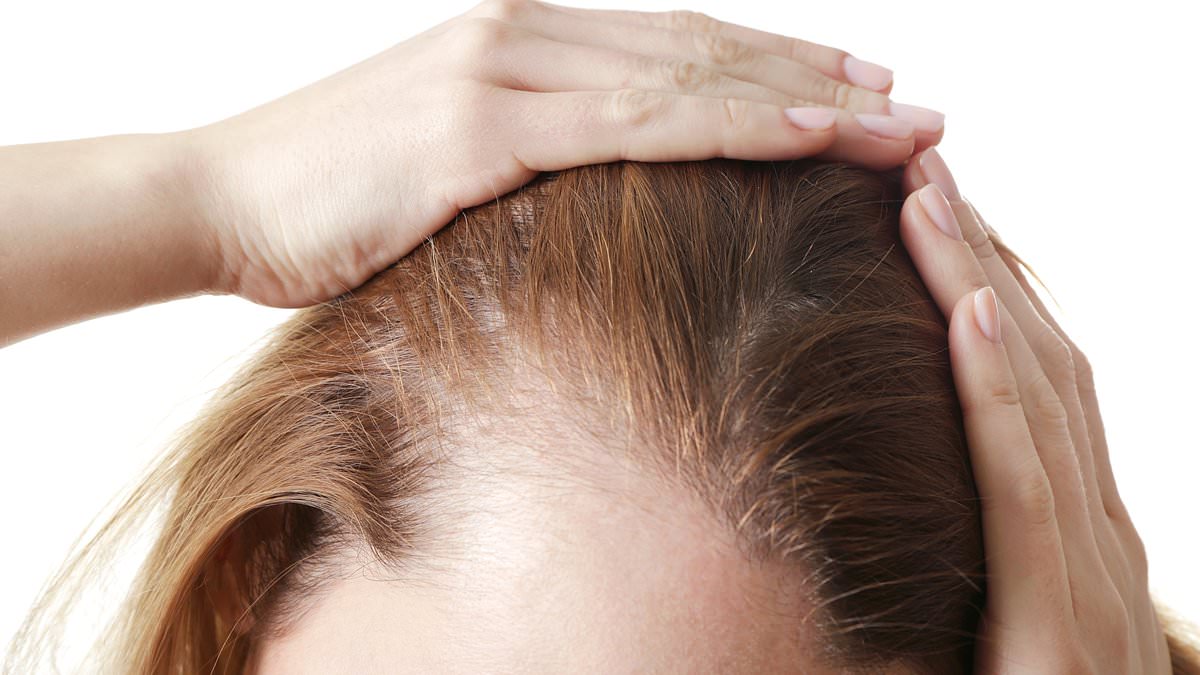
Weight loss jabs are more likely to make women bald if their injection of choice is Mounjaro, a new study has found.Female users of the supposed 'King Kong' of slimming jabs are nearly twice as likely to suffer the unfortunate side effect, compared to those on rival drugs Wegovy and Ozempic. Earlier this month US researchers found that the popular injections - used by some 1.6 million Britons - are 70 per cent more likely to make you bald than other medications used to treat diabetes. The new study, by Australian scientists, found new-onset alopecia, or baldness, affects some one in 18 women within the first year of using Mounjaro, compared to one in 30 on semaglutide - the active ingredient in Wegovy and Ozempic. Experts have previously called for further research into the potential link, with patient information leaflets for both Mounjaro and Wegovy listing hair loss as a common side effect. Scientists have suggested the effect is likely due to rapid weight loss - and its associated nutritional deficiencies - rather than the jabs themselves. Weight loss jab-associated hair loss is typically a form of non-scarring alopecia, meaning the hair follicles remain intact and hair can grow back.The study, by health research firm nference, compared 11,046 patients taking Mounjaro with the same number taking semaglutide. Weight-loss drugs like Mounjaro increase the risk of hair loss, new research suggestsResults found that roughly four per cent of Mounjaro users developed hair loss, compared to just under three per cent of those using other GLP-1s and diabetes medication.However when the scientists looked at women alone, they found a starker difference between the drugs. Around six per cent of female Mounjaro injectors suffered the side effect, compared to three per cent on other jabs.The risk of hair loss was also higher among Mounjaro users regardless of how much weight patients lost or the dose they received. However, the researchers said the findings may partly reflect the fact that women are more likely to seek medical help for hair loss, which which can carry a significant social stigma.'This supports more individualised counselling and surveillance rather than a generic message that weight loss itself inevitably causes hair loss,' Venky Soundararajan, researcher and the study's lead author, said. Alopecia was found to be more common in patients with thyroid disease, and other hormonal-related conditions - suggesting underlying hormonal, or metabolic factors may contribute to the risk. Weight loss jabs, known medically as GLP-1 agonists, work by slowing the emptying of the stomach, reducing feelings of hunger that trigger overeating. But this mechanism can also affect the absorption of orally administered drugs, including thyroid -hormone therapies. These changes could influence hair growth, particularly in individuals with underlying hormonal conditions, the researchers suggested. The team said the findings should help inform discussions between doctors and patients, particularly women and those with a history of hair loss, autoimmune disease, or nutrient deficiencies.However, Soundararajan cautioned: 'Clinically meaningful weight loss should not be equated with inevitable hair loss.'In 2026 alone, the UK Medicines and Healthcare Products Regulatory Agency (MHRA) has received nearly 400 reports of hair loss relating to tirzepatide, the generic name for Mounjaro.The watchdog has also received 148 reports of hair loss linked to semaglutide. Researchers from the University of Pennsylvania, who found that newer GLP-1s carry a 70 per cent higher risk of hair loss than other diabetes medication, believe the 'most likely mechanism' is that people are not getting enough nutrients to support healthy hair growth. Severe calorie restriction and rapid weight loss many 'contribute to physiological stress and micronutrient deficiencies - for example, iron, zinc, biotin - which can disrupt the hair growth cycle,' they said. But experts who were not involved in the study say the absolute risk remains low. In response, the US Food and Drug Administration (FDA) is evaluating the effect Wegovy, Ozempic and Mounjaro have on hair loss.
Some weight loss jabs are more likely to make you bald than others, study finds - and it's worse for women
Full Article
Original Source
Read the full article at Dailymail →KhanList aggregates and links to publicly available news content. We do not host full articles from third-party sources. Always verify important information with original sources.