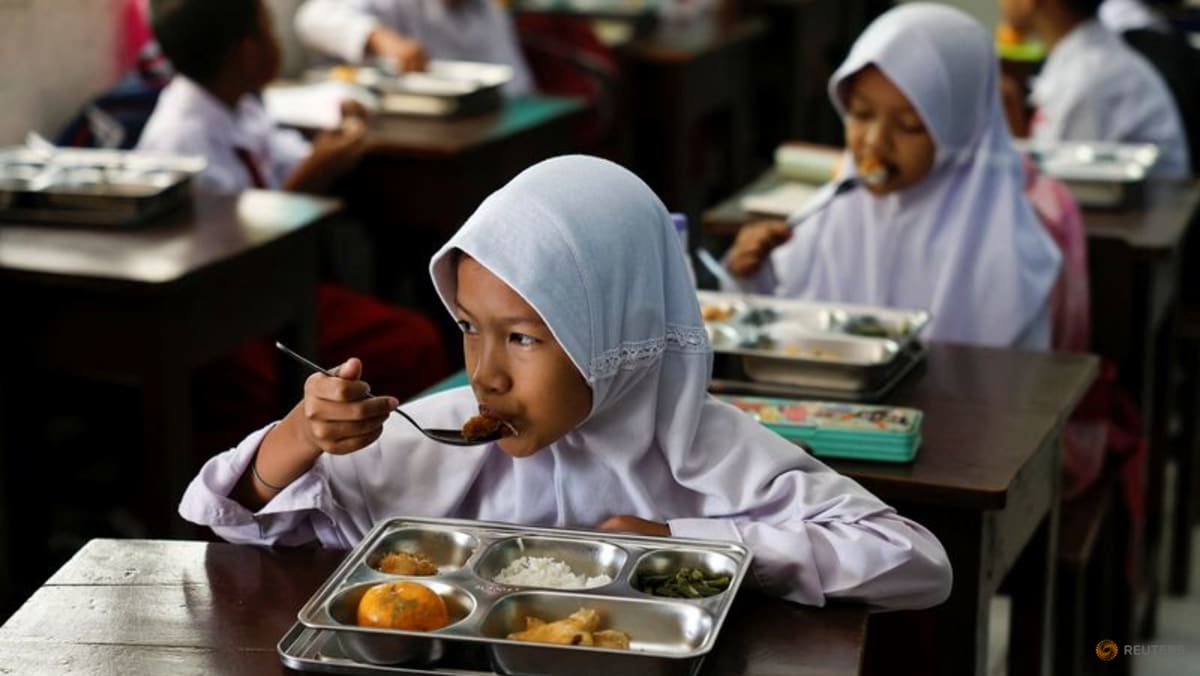
Asia The initiative has also come under scrutiny after senior nutrition agency officials were detained in a corruption probe and food poisoning incidents raised safety concerns. Students eat meals from the free nutritious meals programme at a school in Jakarta, Indonesia, Jan 6, 2025. (File photo: Reuters/Willy Kurniawan) New: You can now listen to articles. This audio is generated by an AI tool. 21 Jul 2026 10:00AM LAMALERA, Indonesia: Indonesia’s free nutritious meals programme has resumed after a three-week school holiday pause, but some of the country's most remote communities are still waiting for the initiative to reach the children it was designed to help.The break was used to audit meal suppliers, improve the programme's targeting and strengthen food safety standards.It came after a series of food poisoning incidents and a corruption investigation involving senior officials from the National Nutrition Agency.Last Wednesday (Jul 15), President Prabowo Subianto also instructed the agency to conduct a comprehensive review of how the programme is being implemented in schools, giving officials one month to complete the assessment. Students at a junior high school in Bandung, Indonesia savour food provided as part of the country's free meals programme. (File Photo: CNA/Wisnu Agung Prasetyo) REMOTE COMMUNITIES STILL WAITINGThe programme – one of Prabowo's signature election pledges – aims to provide free meals to 83 million schoolchildren and other beneficiaries at an estimated annual cost of US$18 billion once fully implemented.It is intended to tackle malnutrition and stunting among Indonesian children.While the initiative has been rolled out across many schools and districts, communities such as Lamalera in East Nusa Tenggara province have yet to benefit.Home to nearly 2,000 people, Lamalera is a fishing village known for its centuries-old tradition of subsistence whale hunting.Perched on the rugged southern tip of Lembata regency, it is one of Indonesia's most isolated communities.“Based on assessments of children's health and nutritional status, including that of infants and toddlers, Lamalera should qualify for the free nutritious meals programme,” said Matheus Gilo Bataona, head of Lamalera B village.“The village also has a relatively high prevalence of stunting.”The National Nutrition Agency has since refocused the programme on Indonesia's underdeveloped, frontier and outermost regions – known as 3T – to ensure assistance reaches those most in need.Lamalera residents hope their village will soon be included.“My hope is that we will receive it soon, so we can see and experience for ourselves that the government's free nutritious meals programme is being implemented in Lamalera, in line with the aspirations of both the government and the Indonesian people,” said parent Paulus Stanislaus Atakbelen. CHALLENGES ON THE GROUNDHowever, the village's remoteness presents significant logistical challenges.Fishing is the primary livelihood for many residents, who rely on the sea for both income and sustenance. The village’s rocky terrain also makes traditional farming difficult, limiting the supply of locally grown produce needed to prepare the meals.Poor infrastructure is another major hurdle to expanding the programme into remote communities such as Lamalera."The (3T) regions should be prioritised. But many still lack proper roads, making them difficult to reach,” said Abdul Rivai Ras, chairman of the Association of Entrepreneurs and Managers of Free Nutritional Food Kitchens in Indonesia.“Delivering supplies takes longer and costs more, even for relatively few beneficiaries. These challenges must also be considered.”Nutrition experts also argue that free meals alone will not solve Indonesia’s stunting problem.“They have to reorient the real objectives of this programme,” said Tan Shot Yen, nutritionist and member of civil society coalition MBG Watch.“If they want to prevent stunting or malnutrition in Indonesia, they have to recruit the academics, the experts, who really know from the grassroots how to prevent stunting, because stunting itself is also coming from the whole system – from complete vaccinations to hygiene. So, it's not only food.”Tan also pointed to a lack of nutrition literacy among many Indonesian families and urged the government to incorporate nutrition education into the school curriculum.She said doing so would help children better understand the importance of balanced nutrition while encouraging them to appreciate the diverse, nutritious foods available across Indonesia.The programme has come under scrutiny after senior officials from the National Nutrition Agency were detained in a corruption investigation in June, while food poisoning incidents linked to the meals raised further concerns about its implementation.Despite these setbacks, the government has reaffirmed its commitment to the programme, pledging to strengthen governance, improve food safety standards and enhance coordination between agencies as it expands the initiative nationwide.
Some remote Indonesian communities still await free meals as programme resumes after review
Full Article
Original Source
Read the full article at Channelnewsasia →KhanList aggregates and links to publicly available news content. We do not host full articles from third-party sources. Always verify important information with original sources.