
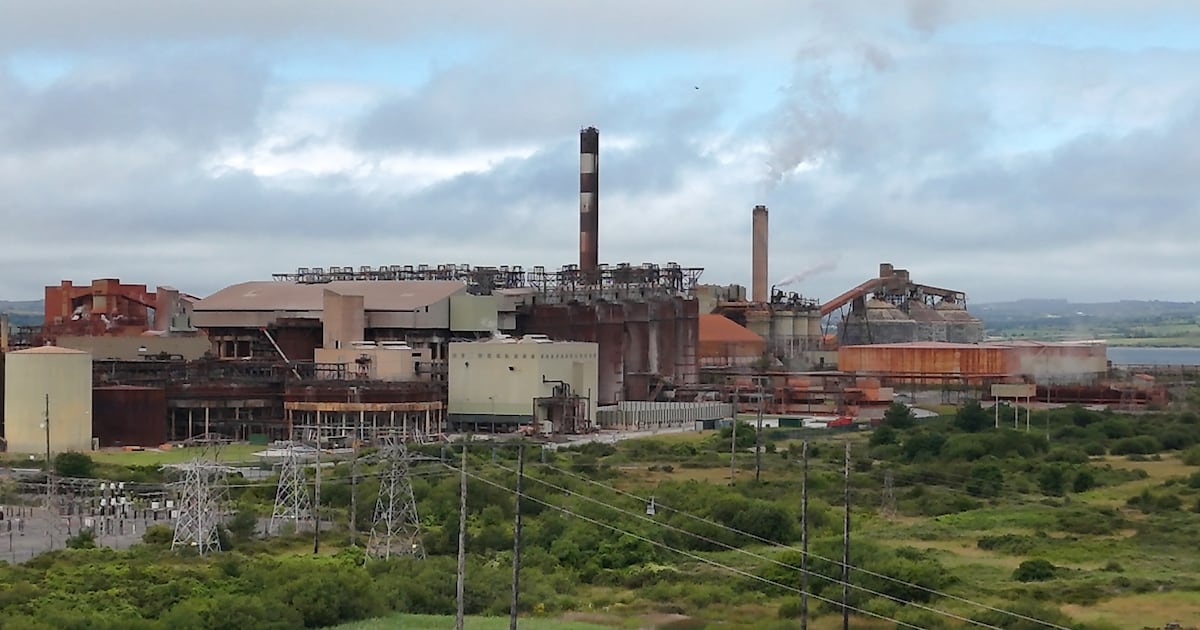
The EU’s envoy on sanctions has said alumina produced by Aughinish Alumina in Limerick “undoubtedly” ended up supplying, at least in part, the Russian military-industrial complex. David O’Sullivan, who was previously the European Commission’s top civil servant, said any action taken on Aughinish Alumina had to be mindful of Europe’s complex supply chains. “We just have to find the best way of doing it, which doesn’t have unhelpful collateral consequences,” he told an Institute of International and European Affairs event in Dublin, during which he said there was “no doubt the investigative journalists got it right” on the plant’s supply relationship with Russia. It is understood European Commission officials had privately considered proposing a quota system that would limit Aughinish Alumina’s exports to Russia, giving the Co Limerick plant time to find alternative markets for its material, before Brussels parked the idea.READ MOREMeasures prohibiting the Irish refinery from selling alumina to Russia are not included in a draft of the commission’s next package of sanctions, according to senior EU sources briefed on the closely guarded details.The commission, which is the union’s powerful executive body in Brussels, has put together a draft of what will be the EU’s 22nd package of sanctions, aimed at making it harder for Russia to sustain its war in Ukraine.Confidential discussions will take place over the coming weeks between commission officials and senior diplomats from all 27 EU states to sound out support for the sanctions package, and make changes, before governments start negotiating between themselves.Aughinish Alumina is owned by Russian metals giant Rusal and ships vast quantities of product to smelters in Russia, where the raw material is turned into aluminium and sold to a Moscow trading company known to supply the alloy to Russian arms and missile manufacturers. Aughinish Alumina’s exports to Russia have significantly increased since the invasion of Ukraine and account for about half of Aughinish’s business.The plant, which employs several hundred people in the Foynes area, previously warned it could be forced to shut if these shipments were barred by EU-level sanctions. It is understood the commission had internally debated proposing some type of quota system to limit Aughinish’s exports to Russia, rather than a full export ban. The restrictions would in theory reduce sales to Russia gradually over time, to give the Irish refinery a chance to find other markets for its material.Concerns about disrupting wider European supply chains that rely on alumina and aluminium alloys led the commission to refrain from targeting Aughinish in the coming 22nd round of sanctions.The commission has not taken sanctions on alumina off the table entirely, meaning it is possible an export ban or quota proposal features in later packages.Several EU sources cautioned that changes were often made to draft sanctions packages, following confidential talks involving national diplomats, which have yet to begin.Estonia has said it plans to push for sanctions on alumina in the coming set of measures. “We can confirm that yes, Estonia has made such a proposal at the EU level,” said a spokesman for the Estonian foreign ministry.New sanctions must be unanimously agreed by all 27 EU states.Aughinish Alumina’s exports to Russia have been in the spotlight on the back of reporting by The Irish Times, in co-operation with the Organised Crime and Corruption Reporting Project.The Irish Government would back “any measures that are being proposed or put forward” by the commission on Aughinish, Minister for Foreign Affairs Helen McEntee said when asked yesterday. “We’ve been very clear in saying, if measures need to be taken, that we will work closely with them,” she said.
Some raw material produced by Irish refinery ‘undoubtedly’ supplying Russian military, EU’s sanctions envoy says
Full Article
Original Source
Read the full article at Irishtimes →KhanList aggregates and links to publicly available news content. We do not host full articles from third-party sources. Always verify important information with original sources.