
By Angela Barnes & Euronews Published on 21 November 2026 - 7:00 GMT+1 Damaged soils could drain €286 billion to €509 billion from the EU economy over the bloc's 2028 to 2034 budget if yearly losses continue at today's pace, Save Soil estimated on Thursday. ADVERTISEMENT ADVERTISEMENT The global campaign group wants the next Common Agricultural Policy (CAP), the EU's farm subsidy system, to reward farmers for proven gains in soil health instead of leaving them to bear the cost of restoration. Save Soil was launched in 2022 by Indian spiritual leader Sadhguru and his non-profit Isha Foundation to push governments into adopting policies that protect and restore soils. Its estimate builds on research by the European Commission's in-house science service, the Joint Research Centre (JRC), which puts the yearly cost of soil degradation in the EU at €40.9 billion to €72.7 billion. Save Soil multiplied that by the seven years of the next long-term budget currently being discussed in Brussels. The range covers erosion, contamination, compaction and soil carbon losses, among other damage, and the JRC has noted the bill could double if costs such as biodiversity loss, floods, droughts and health effects were added. Farm budget talks In July 2025, the Commission proposed ring-fencing at least €300 billion for farmers' income and crisis support from 2028. On 26 October, EU agriculture ministers agreed their stance on the CAP rules but left funding to the wider budget talks. Agriculture negotiations at COP31 in Türkiye, ended without a meaningful outcome, with a decision pushed back to 2027. "Europe is debating hundreds of billions in agricultural support while soil degradation is already imposing enormous costs on its economy," Rico Rau, the lead author of the group's COP31 report, said in a statement. "The next CAP should not simply compensate farmers for the pressures they face. It should help them rebuild the productive asset their livelihoods depend on," he added. Risks to the food industry According to the Commission, 60% to 70% of soils in the EU are unhealthy, weakening their ability to support farming, hold water and cope with extreme weather. Poorer soils can cut yields, raise costs and make supply chains more fragile, Save Soil warned. The EU's food and drink sector alone turns over €1.5 trillion a year and employs 4.8 million people, according to industry body FoodDrinkEurope. Save Soil wants the CAP to pay for measurable soil health gains and to reward farmers whose land is already healthy. It also called for the Soil Monitoring Law, the EU's first soil law, to provide consistent evidence without duplicating measurements and paperwork. The law took effect in December 2025 but sets no binding restoration targets. Its other two proposals are for the EU's carbon farming certification scheme to reward verified environmental benefits, and for public bodies to use their buying power to secure steady demand for sustainably grown food. "If we want to ensure food security, farming has to be lucrative," Sadhguru stated in comments shared by the group, adding that governments must make farming profitable or farmers’ children will not take it up.
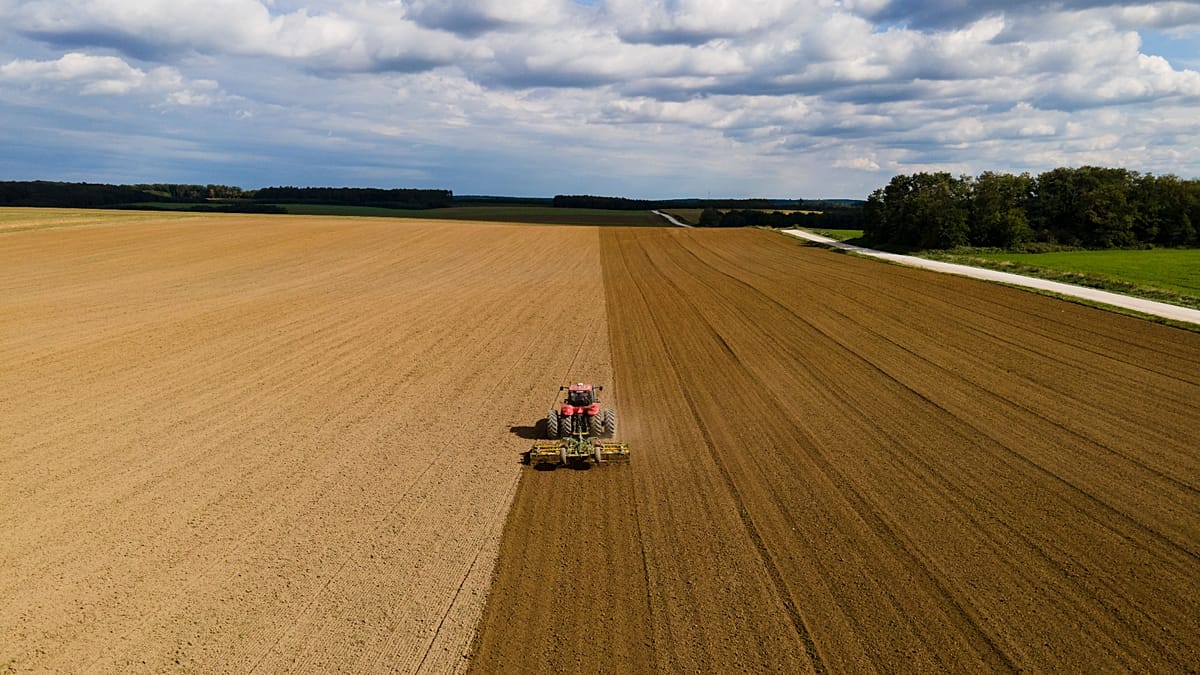
Soil degradation could cost the EU up to €509 billion over its next budget, campaigners warn
Full Article
Original Source
Read the full article at Euronews →KhanList aggregates and links to publicly available news content. We do not host full articles from third-party sources. Always verify important information with original sources.