
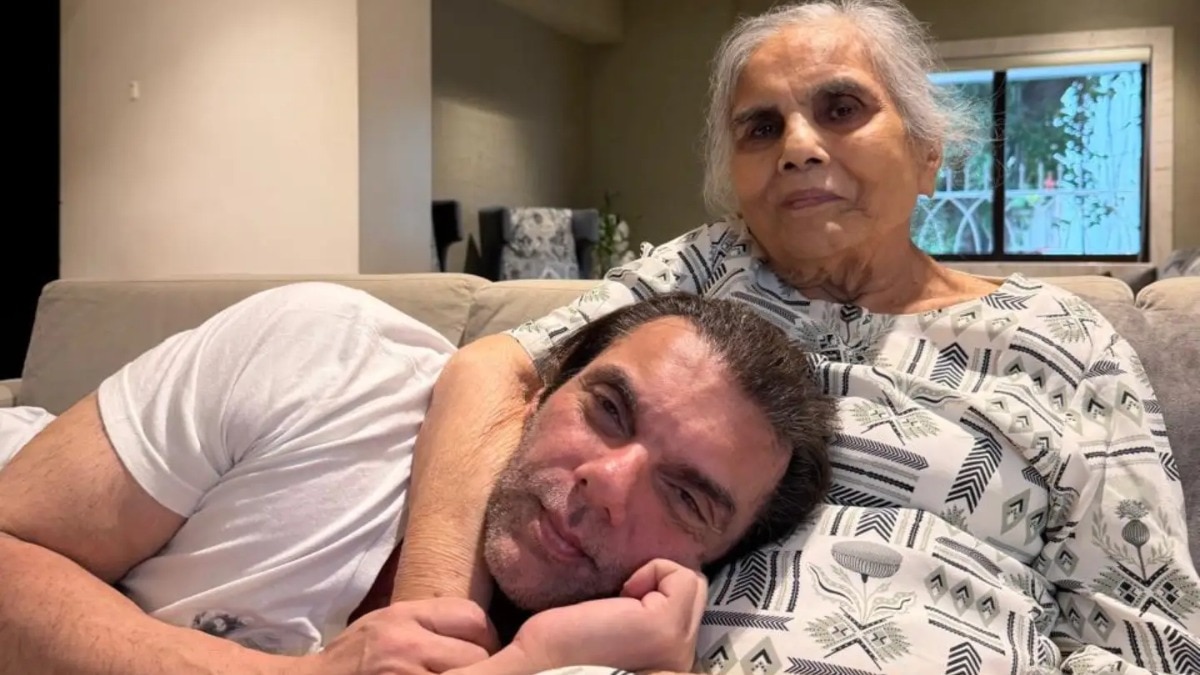
Sohail Khan has revealed that he lost around 12 kg after falling ill with a stomach bug and changing the way he ate. The actor has also denied using Ozempic or fat burners for his weight loss.Sohail Khan’s illness-linked weight loss explained (PicCredit: SohailKhanofficial Instagram)Actor Sohail Khan’s recent weight loss has caught attention after he revealed that he lost around 12 kg following a stomach bug and changes in his eating habits. The actor has also denied using Ozempic or fat burners to lose weight, explaining that falling ill played a role in the initial weight loss, while being more conscious about his food helped him continue losing weight.Rapid weight loss can often raise questions, especially when it happens over a relatively short period. While some people may lose weight temporarily during an illness because they eat less or lose fluids, doctors say that the situation can be more complicated. A stomach infection can affect appetite, food intake and hydration, all of which can cause the number on the weighing scale to drop.Speaking about Sohail Khan’s reported weight loss, Dr Girish Kumar Juneja, Laparoscopic and Bariatric Surgeon at Trellis Hospital, said that losing 12 kg in a relatively short period is a significant change, particularly when it follows a stomach infection.“When someone is unwell, appetite and food intake can naturally come down, and dehydration can also cause an initial drop in weight,” Dr Juneja explained. He added that if a person continues to control portions and makes changes to their eating habits after recovering, the weight loss can become more noticeable. However, he stressed that rapid weight loss should not automatically be considered healthy or sustainable.HOW CAN A STOMACH BUG LEAD TO WEIGHT LOSS?A stomach infection can affect the body in several ways. Symptoms such as vomiting, diarrhoea, nausea, abdominal discomfort and loss of appetite can make it difficult for a person to eat normally. When food intake drops for several days, the body receives fewer calories than usual. This can contribute to weight loss. However, some of the initial changes to the weighing scale may not be body fat.Dehydration is another important factor. Vomiting and diarrhoea can cause the body to lose significant amounts of water and electrolytes. As a result, a person may notice a sudden fall in body weight.Dr Juneja explained that dehydration can contribute to an initial drop in weight after an illness. Once the person starts drinking fluids and eating normally again, some of that weight may return.This is why losing several kilograms during an illness does not necessarily mean that the same amount of body fat has been lost.WHAT HAPPENS WHEN THE APPETITE DROPS AFTER AN INFECTION?During a stomach infection, people often do not feel like eating. Even after the infection starts improving, appetite may take some time to return to normal.A person may also naturally avoid heavy, oily or highly processed foods because they feel uncomfortable after eating them. This can sometimes lead to smaller portions and fewer calories being consumed.In Sohail Khan’s case, Dr Juneja said the actor has explained that falling ill while participating in the show made him more conscious of what he was eating so that he could continue taking part in its challenges.This distinction is important. Weight loss that begins because of illness may continue for a different reason if a person later develops healthier eating habits and consistently eats smaller portions.CAN CHANGING EATING HABITS HELP MAINTAIN WEIGHT LOSS?Yes, changes in eating habits can influence body weight over time.If a person begins eating smaller portions, reduces unnecessary snacking and becomes more mindful about what they eat, their total calorie intake may decrease. If this continues consistently, it can result in gradual weight loss.However, doctors do not recommend relying on illness as a method of losing weight.A stomach infection is not a healthy weight loss strategy. The body needs adequate nutrition during and after an illness to recover, maintain muscle mass and support normal body functions.Dr Juneja said that adequate hydration, balanced nutrition and proper recovery are essential after an illness.WHY RAPID WEIGHT LOSS IS NOT ALWAYS HEALTHYSeeing a lower number on the weighing scale can appear positive, but the speed and reason behind the weight loss matter.Rapid weight loss can involve a combination of water loss, reduced food intake, loss of stored carbohydrates and, in some cases, loss of muscle along with body fat.If a person loses weight because they are unable to eat or drink properly, it may be a sign that the body is under stress rather than evidence of healthy fat loss.For people trying to lose weight intentionally, a sustainable approach generally involves a balanced diet, appropriate calorie intake, physical activity and adequate protein, rather than extreme food restriction.WHEN SHOULD UNEXPECTED WEIGHT LOSS BE CHECKED BY A DOCTOR?Not every episode of weight loss after an infection is a cause for concern. A person may temporarily lose weight during an illness and regain some of it once they recover.However, unexplained or continuing weight loss should not be ignored.Dr Juneja advised that if weight loss continues unexpectedly after an illness, it should be evaluated by a doctor.This is particularly important if weight loss is accompanied by persistent diarrhoea, vomiting, loss of appetite, weakness, fever, abdominal symptoms or other unexplained changes.A doctor can assess whether the weight loss is related to the recent infection, reduced food intake or another underlying issue.SOHAIL KHAN’S WEIGHT LOSS: WHAT WE CAN LEARN FROM ITSohail Khan’s experience highlights an important difference between losing weight because of illness and losing weight through a planned health and fitness approach.A stomach bug may temporarily reduce appetite and cause dehydration, leading to a sudden change in body weight. If a person subsequently changes their eating habits and maintains those changes, further weight loss may follow.But a dramatic drop on the weighing scale should not automatically be viewed as a model for weight loss.As Dr Juneja points out, recovery after an illness should remain the priority. Adequate fluids, balanced nutrition and proper recovery are essential, particularly after vomiting or diarrhoea.For anyone experiencing unexpected or continuing weight loss, the focus should be on finding out why it is happening rather than simply celebrating the number on the scale.- EndsPublished By: Smarica PantPublished On: Aug 19, 2026 07:30 IST
Sohail Khan lost 12 Kg after a stomach infection? Doctors explain what happens to the body
Full Article
Original Source
Read the full article at Indiatoday →KhanList aggregates and links to publicly available news content. We do not host full articles from third-party sources. Always verify important information with original sources.