
Action from "across society" is needed to help improve the educational outcomes of white working-class children, the co-chair of an independent inquiry looking into the issue has said.The inquiry's first report, published this summer, concluded that once-in-a-generation reforms were needed to fix a system "not serving the interests of white working-class children".The next phase will focus on early years children and teenagers aged 14 to 19, aiming for a stronger start at primary school and improving older students' routes through education into successful careers.Education Secretary Lucy Powell said she was "backing" the inquiry to "get to the heart of the barriers holding children back".Inquiry co-chair and former education secretary Baroness Morris said the next phase of the inquiry's work will consider "what needs to be done"."This isn't just the responsibility of schools but calls for action from across society," she said.The Independent Inquiry into White Working Class Educational Outcomes, external was commissioned by the multi-academy trust Star Academies, and is supported by the Department for Education.It spoke to thousands of young people and their parents, as well as hundreds of teachers.Education data about white working class pupils was also analysed as part of the year-long review, looking at the 1.25 million young people in England who are white British and in receipt of free school meals.The inquiry found a growing belief among white working-class families that the current education system does not guarantee future success.In the summer, the inquiry also acknowledged that the true scale of white working-class disadvantage is "likely to be substantially larger", as the education data they looked at did not include families who were on low incomes but did not receive free school meals.Since then, all families receiving Universal Credit have become eligible for free school meals.Under the new phase of the inquiry, practical recommendations for government, schools, colleges and other organisations working with white working-class communities will be developed.This action will include a research programme looking at the routes taken by teenagers aged 14 to 19, investigating how schools can work with communities to provide clearer pathways into further study and successful employment.The new phase of the inquiry will also look at how schools can ensure the transition from primary to secondary school builds strong foundations."Right now, too many white working-class children are falling behind at every stage of their education," Powell said."That is why I am backing this independent inquiry to get to the heart of the barriers holding children back - from their first steps into school, through to the opportunities and choices they have as teenagers into further study, training or work."It comes after Prime Minister Andy Burnham announced plans to open up new technical routes from age 14 in England over the summer.The prime minister said he was "on a mission" to reduce the number of young people not in education, employment or training - known as "Neet".Currently, nearly a million young people are classed as Neet. Former minister Alan Milburn's interim report, external found that children who are not school-ready at aged four or five are nearly three times as likely to be Neet by ages 16 to 17.A final report by Milburn is expected to set out his recommendations for tackling the issue in the coming weeks.
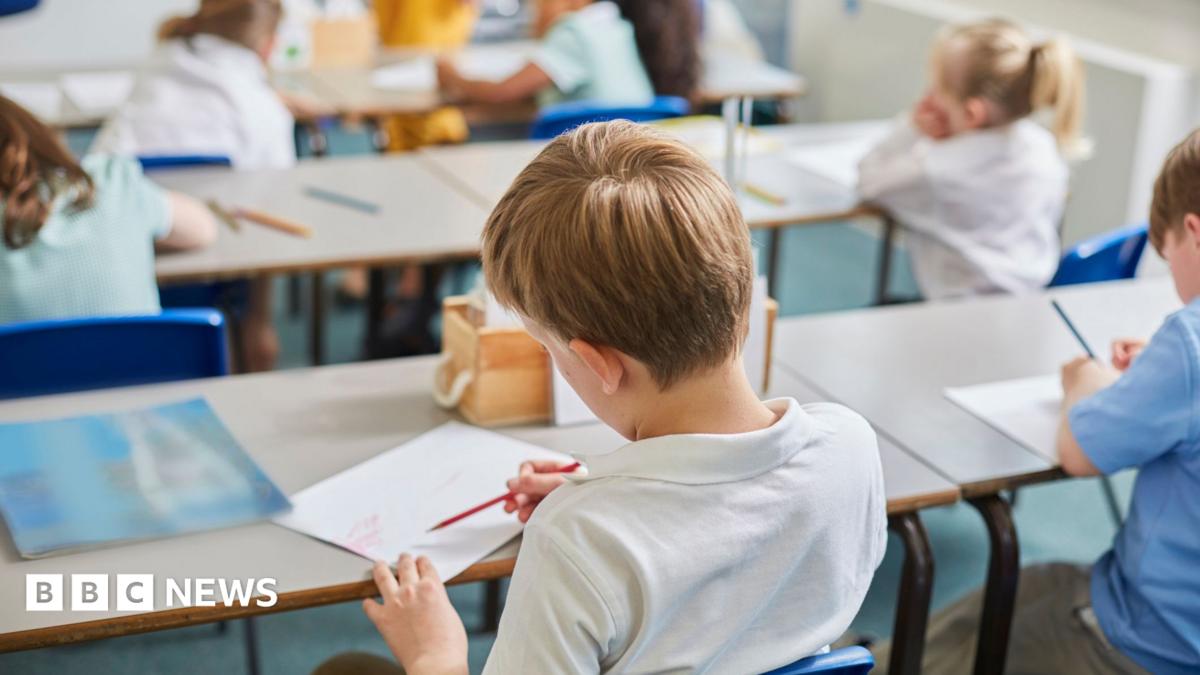
Society needs to act to help white working-class pupils, inquiry says
Full Article
Original Source
Read the full article at Bbc →KhanList aggregates and links to publicly available news content. We do not host full articles from third-party sources. Always verify important information with original sources.