
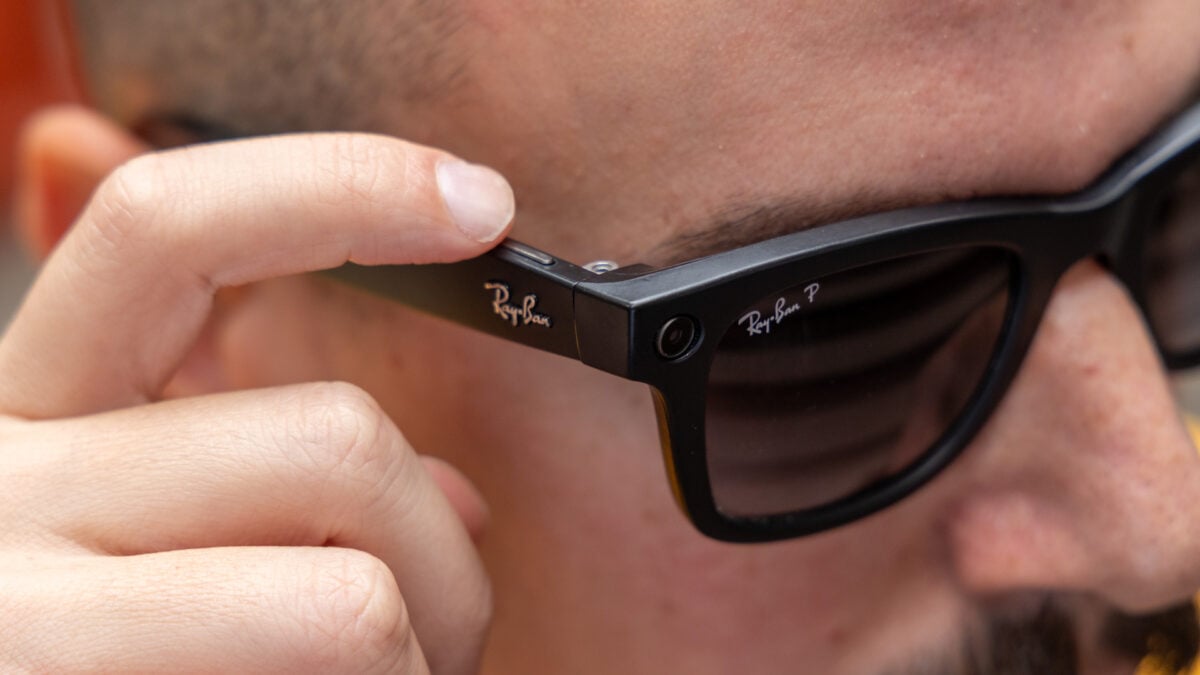
Norway isn’t the only nation mulling over nationwide restrictions on smart glasses. According to The Guardian, members of parliament in the U.K. are considering measures that would restrict where people can use smart glasses and even who can buy them. The Guardian reports that, in a debate, Member of Parliament (MP) Satvir Kaur, said: “The benefits of smart glasses must be weighed against the harms they can cause. The government is already looking into options to restrict smart glasses in certain settings and restricting the sale to certain users.” What’s interesting here is the last bit about “certain users.” It’s unclear which users those would be. As is the case with every other proposed or instituted ban around smart glasses, the main concerns are privacy and security. According to The Guardian, MP Anna Sabine said that smart glasses have the potential to “erode safety and privacy in public spaces” and that they “raise important questions about consent.” Those concerns, for the most part, are fairly founded. Since the rise of Meta and its slew of AI glasses, smart glasses have been used for extortion, cheating, and generally just filming people (mostly women) without their knowledge. It’s not a great look, and reactions to those incidents are starting to roll in at an increasingly fast clip. Large cities like Hamburg, Germany, have imposed bans on smart glasses in public spaces, and bans in private spaces like pubs, cruise liners, and clubs have also cropped up. In the U.S., sweeping, top-down regulation has been slow to gather steam, but states like New York have banned smart glasses in courts, while school districts have imposed their own bans on a piecemeal basis across various districts. While the U.S. hasn’t been as quick to legislate from the federal level, that doesn’t mean regulation isn’t coming. Just last week, lawmakers in the Senate put Meta CEO Mark Zuckerberg on notice regarding concerns over its smart glasses and their collection of data to train AI, which amps up prior inquiries over the company’s interest in adding facial recognition to hardware. As we’ve seen plenty of times regarding tech regulation, the U.S. doesn’t always follow suit with regulators in Europe, and if it does, it could take time, but the temperature is clearly rising on smart glasses, and companies like Meta are the ones feeling the heat.
Smart Glasses Could See Major Bans in the UK
Full Article
Original Source
Read the full article at Gizmodo →KhanList aggregates and links to publicly available news content. We do not host full articles from third-party sources. Always verify important information with original sources.