
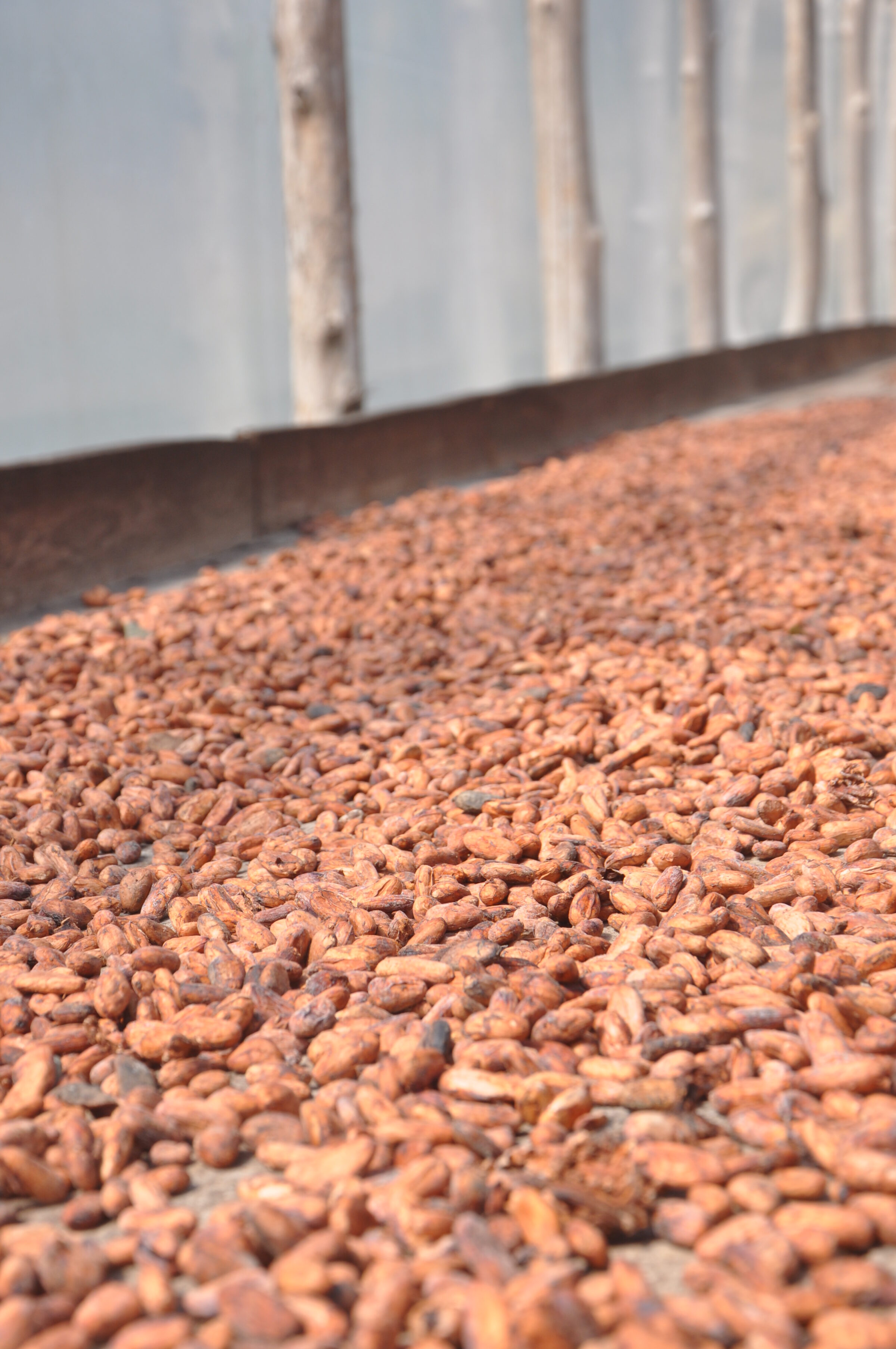
Tumbling cocoa prices risk slowing preparations for the EU’s deforestation regulation (EUDR), as farmers and industry groups struggle to bear the costs of new measures to trace where cocoa beans were produced. The price of a tonne of cocoa peaked at $12,000 (€10,360) in 2024, when the EUDR was initially supposed to come into force, but has slumped to around $3,000 (€2,600), a fall of some 80 percent. Earlier this year, Ghana’s finance minister, Cassiel Ato Forson, announced a nearly 30 percent cut in the wholesale price that farmers receive, from around €290 per 64-kilogram bag to €210. Ghana is the world’s second largest producer of cocoa and the price collapse has also hit the industry body, COCOBOD, which owes around €800m to the country’s cocoa farmers. Traders have estimated that in 2025/26 there was a global surplus of 365,000 tonnes, with the Ivory Coast and Ghana reporting hefty and growing stockpiles of cocoa beans. But at the same time, authorities are still rolling out tracing regimes across the four West African states – Ivory Coast, Ghana, Nigeria, and Cameroon – which together produce around 75 percent of the world’s cocoa and send about two-thirds of their exports to the EU. In Nigeria, where about 300,000 mostly small-scale farmers produce cocoa, industry experts estimate that less than half national production could meet the EU requirements when the rules take effect at the end of December. Prior to the collapse in prices, the cocoa sector was one of the best prepared for the EU law. Cocoa beans underpin the $180bn (€150bn) global chocolate market.
Slumping cocoa price leaves West Africa’s farmers struggling to comply with EU’s anti-deforestation law
Full Article
Original Source
Read the full article at Euobserver →KhanList aggregates and links to publicly available news content. We do not host full articles from third-party sources. Always verify important information with original sources.