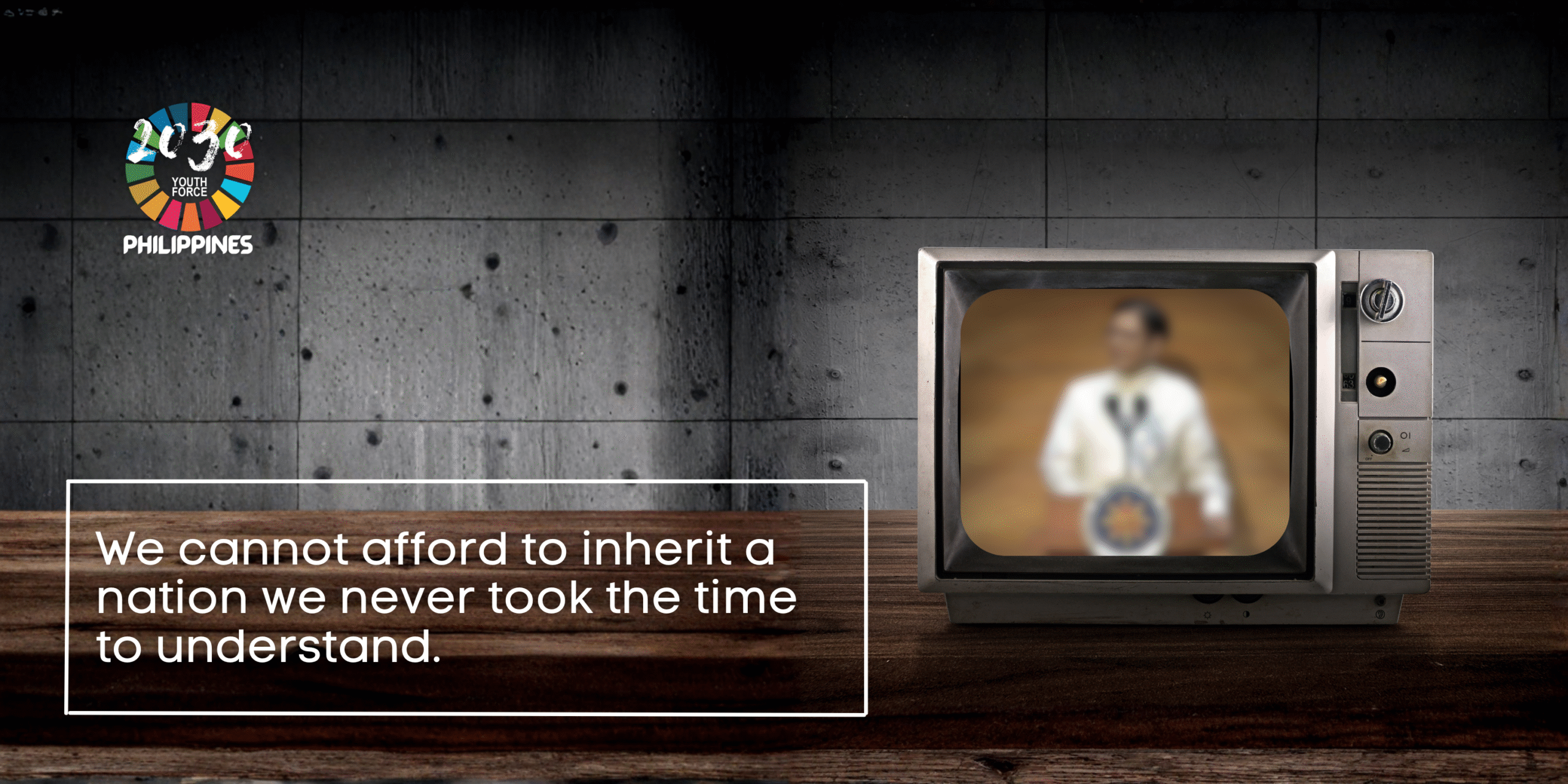
What happens when a generation skips the conversations that shape its future? What happens when a generation skips the conversations that shape its future? There was a time when the State of the Nation Address meant something tangible to us as children. Classes would be suspended. Roads would be rerouted. The entire country seemed to pause for a few hours. In our home, it became a quiet tradition to watch the President’s address together. We listened, asked questions, argued over promises, and tried to make sense of the country’s direction. We were too young to understand everything, but we were taught that what happened in those halls of government would eventually find its way into our classrooms, our communities, and our futures. Today, it feels different. The SONA comes and goes, and for many young Filipinos, it barely interrupts the day. We scroll past headlines, skim through sound bites, and return to our routines. The address has become another item in the news cycle instead of a national conversation. Perhaps that says less about the speech itself and more about the growing distance between our people and our institutions. That distance should concern us. Democracy does not weaken overnight. It slowly erodes when citizens stop paying attention, when governance becomes something that happens to us instead of something we actively engage with. It is easy to become exhausted by politics. It is understandable to feel disillusioned by years of unmet expectations, endless debates, and recurring frustrations. But disengagement has never been a solution. In fact, it often creates the very conditions that allow poor governance to persist. The youth cannot afford to inherit a nation they never took the time to understand. Civic engagement is not blind loyalty to any administration, nor is it automatic opposition to whoever holds power. It is the discipline of paying attention. It is listening critically, asking difficult questions, examining evidence, recognizing progress where it exists, and demanding accountability where it falls short. It is choosing to participate even when participation feels inconvenient, because citizenship is not seasonal. We cannot improve what we refuse to understand. We cannot hold leaders accountable if we do not know what they promised. We cannot advocate for better policies if we never take the time to learn how they affect our communities. We cannot shape the future if we remain spectators to the decisions being made in the present. The State of the Nation Address is not merely the President’s report. It is also an invitation—one that every Filipino, especially every young Filipino, should accept. It invites us to evaluate where we are as a nation, where we are falling short, and what role we must play moving forward. Whether we leave today’s address hopeful, disappointed, or somewhere in between is not the most important outcome. What matters is that we showed up. Because the future of our country will never be shaped by those who only speak after the speech is over. It will be shaped by those who choose to listen, to understand, and to remain engaged long after the cameras have stopped rolling.
Skipping SONA
Full Article
Original Source
Read the full article at Youthforceph →KhanList aggregates and links to publicly available news content. We do not host full articles from third-party sources. Always verify important information with original sources.