
Getting enough sleep is vital for long-term health – and emerging evidence suggests diet plays an important role. “To produce melatonin for good sleep, we need sufficient protein, especially from amino acid tryptophan, with help from vitamin B6,” says registered dietitian and menopause specialist Dr Rebecca Hiscutt. “Magnesium helps the nervous system settle and helps us relax and switch off to sleep.” Tryptophan is a protein-building block found in lean meat, poultry, dairy, fish, nuts and seeds, grains and beans like edamame, explains dietitian Helen Bond, “which the body uses to make serotonin – the happy hormone. At night, this gets converted into sleep-inducing melatonin. Magnesium is found in spinach, nuts, wholemeal bread and brown rice, while B vitamins like B6 are found in whole grains, beans, lean meats, eggs, fish, milk and dairy, nuts and bananas.” Shorts Studies support the idea that what you eat can impact sleep quality, according to professor Marie-Pierre St-Onge, an expert in nutritional medicine at Columbia University and author of Eat Better, Sleep Better. “Our research shows that consuming a diet high in fruits, vegetables, whole grains, nuts and seeds, and plant-based proteins is associated with a reduced risk of developing insomnia,” she says. “In one study with objective measures of sleep, we noted a 16 per cent reduction in sleep fragmentation when going from no intake of fruits and vegetables to meeting the five serving per day recommendation.” Foods rich in plant compounds, such as polyphenols and carotenoids, found in colourful fruit and vegetables and nuts, may have sleep-regulating benefits, according to reviews St-Onge has conducted. Their rich antioxidant and anti-inflammatory profile helps fight inflammation and oxidative stress, while supporting neuron signalling and communication between the gut-brain axis. Dr Rebecca Hiscutt says that magnesium and protein are two important contributors to good sleep “There are studies supporting higher intakes of tart cherries, tomatoes, tropical fruits like banana, oranges, pineapple and fermented dairy products leading to better sleep,” St-Onge says. “Foods high in nutrients that help convert tryptophan to melatonin and sources of antioxidant nutrients like pistachios, walnuts, oysters and fish, whole grains, are on top of my list.” Struggling with shut-eye? Here are the foods and drinks to add to your shopping list. Pistachios, walnuts, pumpkin seeds Snacking on nuts and seeds is a great idea for gut, brain and heart health, and it might just support your sleep, too. St-Onge recently conducted a review looking at the potential benefits of nutrients in pistachios for sleep. Pistachios are rich in vitamin B6, magnesium, fibre, plant compounds, and phytomelatonin, nutrients involved in melatonin synthesis and gut–brain axis signalling. “Research also supports the role of walnuts for sleep, possibly through some of the same nutrients as pistachios: unsaturated fats, fibre, tryptophan,” she says. “Pumpkin seeds are one of the best food sources of magnesium,” adds Hiscutt. “Have a handful over yoghurt or a salad or make a trail mix with other nuts and some dark chocolate chips.” Dark chocolate Dark chocolate is a source of polyphenols and contains some magnesium. “However, it also contains small amounts of caffeine and theobromine (both stimulants), which may affect sleep for some. Have it after lunch or mid-afternoon instead.” Red, yellow, orange fruit and veg, and leafy greens Many health experts encourage eating the rainbow with a range of different colour foods. St-Onge has also studied the potential benefits of carotenoids for sleep, as emerging research suggests a higher intake may be associated with better sleep. Carotenoid-rich foods include a variety of red, yellow and orange fruits and vegetables, such as bell peppers, tomatoes, carrots, pumpkin, squash, as well as leafy green vegetables, like spinach and kale. Leafy greens are also a good source of magnesium. Kiwi fruit Not only are kiwis an excellent source of fibre (particularly with skins left on), as well as vitamin C, they also contain carotenoids lutein and zeaxanthine, and are a source of folate. Kiwis can help you fall asleep and improve your total sleep time (Photo: Flavia Morlachetti/Getty/Moment RF) Kiwis also contain serotonin and melatonin, and are increasingly being looked at for their sleep-supporting benefits. In one small study, people with difficulties sleeping who ate two kiwis a night about an hour before bed for four weeks reported improvements in sleep, including falling asleep faster and improving total sleep time. While evidence is still relatively limited on kiwis enhancing sleep quality, this is inexpensive and easy to try, points out Hiscutt. “My tip is to have them with a spoonful of Greek yoghurt to add some protein to keep your body sugar levels steady.” Fish, poultry, eggs, tofu and oysters “Prioritise protein at dinner (and ideally breakfast and lunch) and build your evening meal around fish, meat, eggs and tofu (all sources of tryptophan) and vegetables, keeping the potatoes, rice or pasta smaller to help keep blood sugar steadier through the night,” Hiscutt suggests. Oysters are high in vitamin B6 and zinc; St-Onge adds. “They are a good source of protein that contains tryptophan, as is poultry.” Tart cherry juice Tart cherry juice has become popular on social media as a natural sleep aid. “Small studies have shown tart cherries may help people sleep for longer,” Hiscutt says. “Montmorency cherries contain a little melatonin, and plant compounds that help the body hold onto tryptophan for longer.” Some studies have found that cherry juice may help you sleep longer (Photo: Aksana Ban/Getty/Moment RF) Sleep scientist Dr Sophie Bostock points out that while tart cherry juice products are often marketed for their melatonin content, “in reality this is well below the therapeutic dose, however, studies show melatonin and tryptophan availability do increase, so more research is needed. Cherry juice also contains polyphenols which may support sleep via anti-inflammatory pathways.” It is also worth being mindful of the sugar content in tart cherry juice, as studies have looked at two daily glasses of 240ml each, while the NHS recommends limiting fruit juice and smoothies to a maximum of one 150ml per day. “Avoid caffeine too late in the day (timing differs between people and susceptibility changes with age); sugary foods and beverages have been associated with lighter sleep and more arousals at night; and too much alcohol,” St-Onge explains. “Caffeine is a stimulant, which makes it harder to fall asleep; alcohol is a sedative, which helps to fall asleep but disturbs sleep in the second part of the night when the alcohol ‘wears off.’” If you’re struggling with sleep, try eating dinner earlier, Hiscutt advises. “What we eat at dinner (and when we eat it) particularly matters more than any one food for sleep. A carb-heavy dinner of white pasta or big bowl of rice can make you feel sleepy, then the blood sugar dip wakes you in the early hours. “I see many people whose sleep challenges need more than a few kiwis,” Hiscutt continues. “It can be deep-rooted, involving insulin resistance and chronic stress activation, or low nutrient levels such as iron may be contributing to restless legs, which is making sleep difficult, so it’s important to address the root cause.”
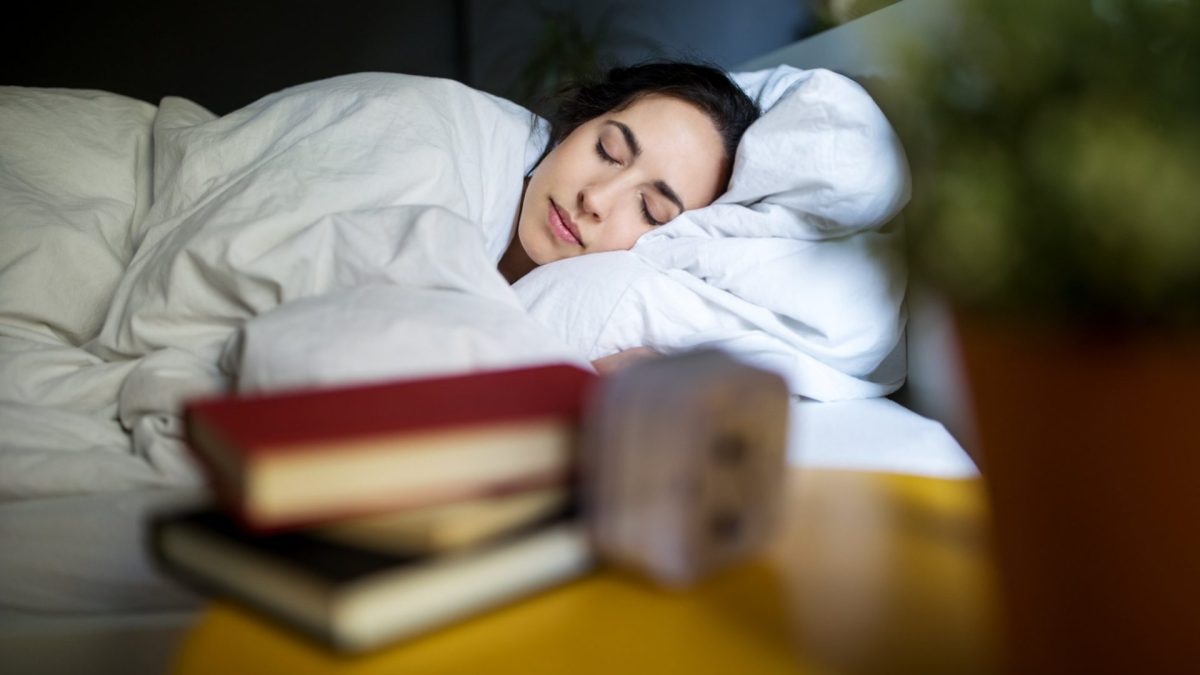
Six foods that can help you sleep better – and the ones to avoid
Full Article
Original Source
Read the full article at Inews →KhanList aggregates and links to publicly available news content. We do not host full articles from third-party sources. Always verify important information with original sources.