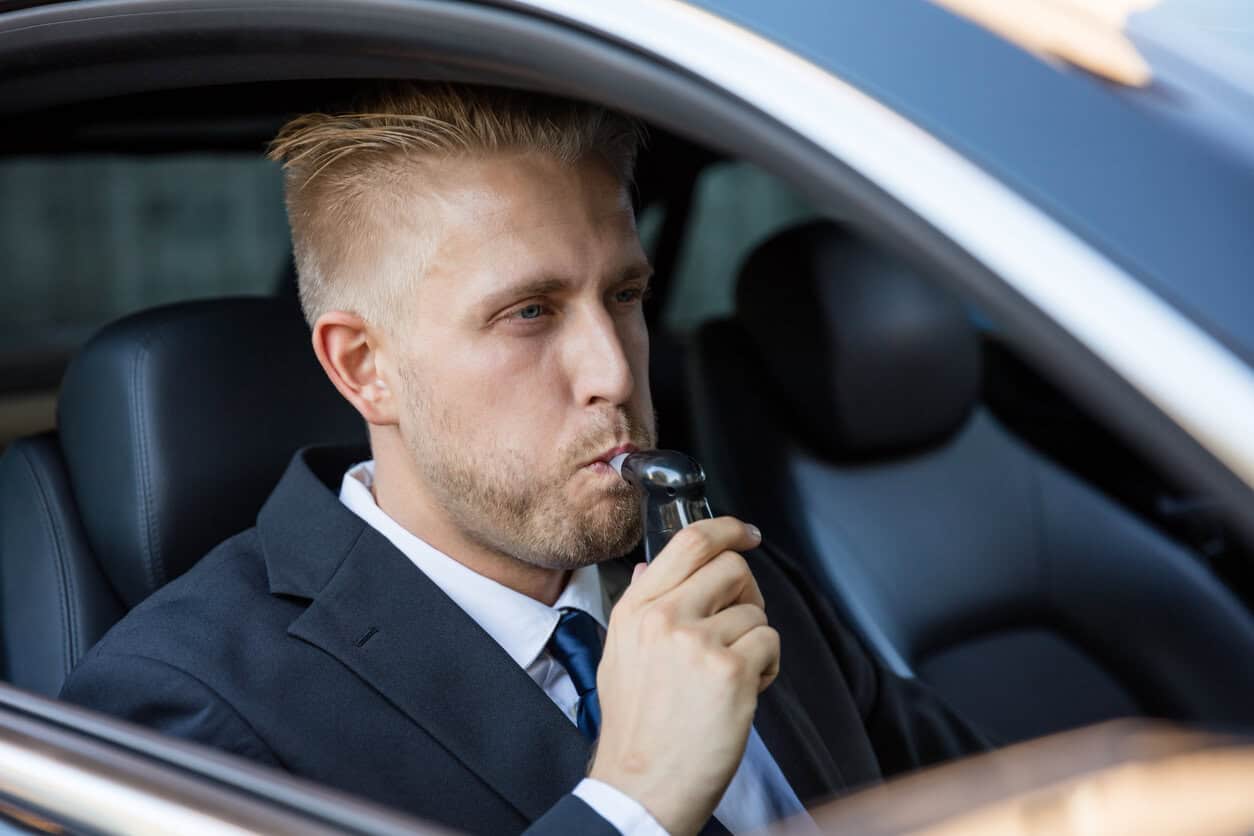
Driving under the influence, intoxicated pedestrians, speeding and distracted driving are continuing road-user problems. Despite annual sin tax increases on alcohol, dangerous drinking remains entrenched among South Africans who consume alcohol. Last year, over 30 000 motorists were arrested for driving under the influence, almost double the just more than 17 000 arrested the year before. ‘More than a lifestyle issue’ Rhys Evans of Alco-Safe, a supplier of breathalysers and workplace alcohol and drug-testing equipment, said taxing booze had not changed SA’s drinking habits and stronger enforcement was needed alongside education and cultural change. “SA’s high alcohol consumption is more than a lifestyle issue, it is a national concern with serious implications for public safety, health and the economy.” Gauteng last year, accounted for 51% of the arrests, followed by the Eastern Cape with 15% and the Western Cape with 14%. Drunk driving remains a major road safety risk The Road Traffic Management Corporation (RTMC) 2025 report noted alcohol impairment increased the risk of reckless driving and crashes because it affected vision, hearing and reaction time. “Many individuals underestimate their level of intoxication, making decisions, such as choosing to drive, that put themselves and others at risk,” Evans said. Stronger roadblocks, consistent enforcement and routine breathalyser testing were needed to ensure drivers understood that drinking and driving carried consequences. “Reducing harmful alcohol consumption requires immediate enforcement and long-term cultural change,” Evans said. South Africa’s overall road death figures improved last year. Fatal crashes declined from 10 339 in 2024, to 9 734, while fatalities fell from 12 172 to 11 485. The estimated economic cost of accidents was R198.3 billion. RTMC identified driving under the influence, intoxicated pedestrians, speeding and distracted driving as continuing road-user problems. WHO data highlights harmful drinking patterns The scale of harmful drinking is clear in World Health Organisation data. Its technical manual on alcohol taxation reported that only about 35% to 40% of South African adults had consumed alcohol, but drinking patterns among those who did were potentially dangerous. South African adult drinkers consumed an average of 28.9l of pure alcohol in 2016, considerably higher than the African regional average of 18.4l . A national survey also found that 48% of male drinkers and 32% of female drinkers consumed five or more standard drinks on a typical day. Evans said annual sin tax increases were not enough to undo drinking habits. “It alone cannot undo decades of entrenched drinking habits.”
Sin tax alone cannot curb South Africa’s dangerous drinking
Full Article
Original Source
Read the full article at Citizen →KhanList aggregates and links to publicly available news content. We do not host full articles from third-party sources. Always verify important information with original sources.