
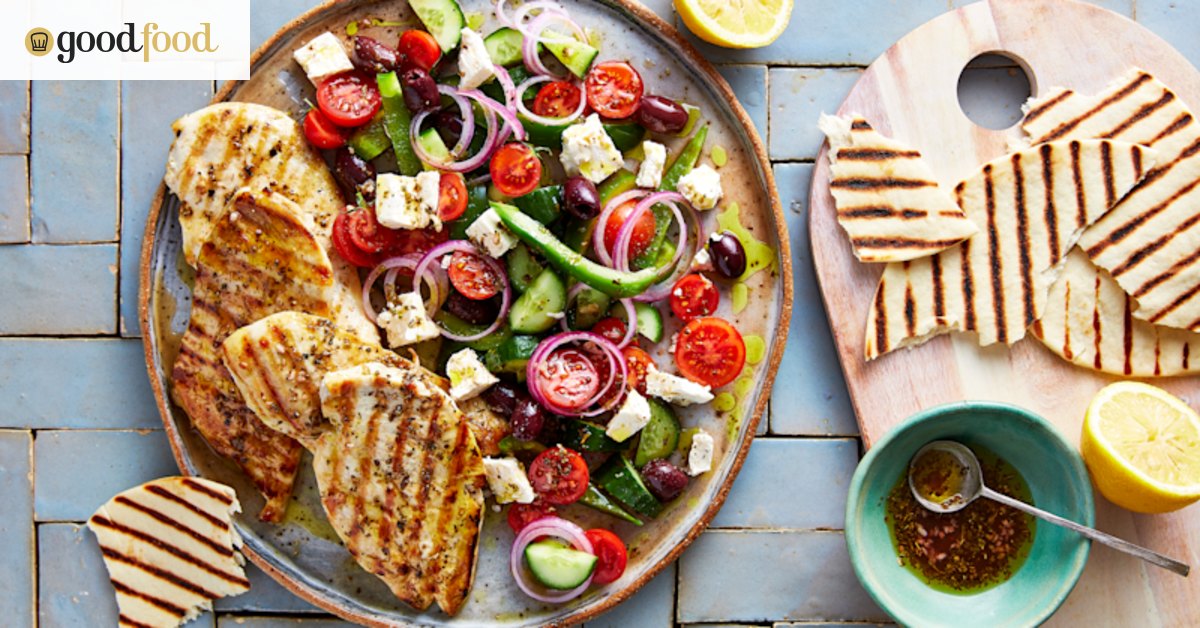
Don’t be so hard on yourself. You can still have your cake and eat healthily if you keep these simple tips in the back of your mind.It’s a commonly held belief that to achieve optimal health, wellbeing and longevity, your diet should be perfect. Processed food and seed oils should be avoided. You should make your meals from scratch. Eat less sauce. Eat less sugar. Ditch the evening ice-cream or biscuit. And if you must eat chocolate, make it dark, only. While some of us may like and feel virtuous eating this way, healthy eating, and health in general is much more about balance than perfection. Eating chocolate or chips or ice-cream will not cause disease, rather it is our dietary patterns over time that ultimately support overall health, along with some pretty powerful genes. This also means that you do not need to micromanage your food intake. Just remember these general principles and you’re well on your way. Scan the ingredients lists on food packaging to check for any nasties.James BrickwoodCheck the ingredients listOn any food packet you will find a nutritional panel, an ingredient list and often various health-related claims. Some claims are regulated, such as low fat or high fibre, while some are added at the discretion of the manufacturers. On the flipside, claims like “natural”, “wholesome” and “packed with goodness” have ambiguous meanings. Nutritional labels can be complex to interpret, and difficult to read.Instead, quickly scan the ingredient list. Look for a short ingredient list with wholefoods listed first, which indicates minimal processing. On the other hand, a long list of ingredients you don’t recognise suggest it’s an ultra-processed food that should best be avoided. The best recipes from Australia's leading chefs straight to your inbox.Sign upSpecifically, the fewer the numbered ingredients such as preservatives, flavour enhancers and added colours the better. Refined oils and sugars listed as vegetable oil, glucose, rice syrup or starch are, too, offering little nutritionally when added to foods other than extra processed calories.RecipeTin Eats’ Greek chicken salad has a great protein to vegetable ratio. Steve Brown; STYLING: Emma KnowlesOnly buy what you needThe greater the volume of food you buy, the more you will eat, period. Keeping large volumes of food on hand, especially indulgent, high-calorie foods, means that you are much more likely to eat them, hungry or not. Instead, keep a small amount of food in the fridge or pantry, and buy only what you need for specific meals and snacks. This will help keep your nutrition needs on track, and calorie intake under control.Balance your mealsWhen you seek to balance your meals with the right proportion of nutrients, weight control becomes easy. This means making sure that a quarter of your plate consists of lean protein, a couple of cups of vegetables or salad, and a quarter plate of quality carbohydrates, like sweet potato and potatoes, legumes such as kidney or chick peas, wholemeal pasta and brown or black rice. These are all higher in fibre than white, refined carbohydrates like chips, white rice, tortillas and cous cous. Follow this simple formula and the rest will follow.Lemon butter snapper with potato and Brussels sprouts hash is an excellent, balanced meal. James MoffattKeep it simpleEating well is not hard – it is a matter of focusing your meals and snacks around fresh, whole foods, eating balanced meals when you are hungry, and indulging occasionally. We make it more complicated with endless options, complicated recipes that require myriad ingredients, much preparation time, and too much choice. Focus your diet around a handful of simple meals like fish and greens, or lean meat and roasted vegetables, minimally processed snacks such as wholegrain crackers, cheese, yoghurt, fruit and nuts. Enjoy more indulgent meals and treats occasionally, and your weekly menu becomes a lot less complicated. Invest in quality proteinOne of the easiest ways to simplify meal preparation is by building your weekly meals around lean protein. For example, one to two red-meat meals, a couple of seafood meals, a chicken-based dish, a vegetarian option, and perhaps a meal or two out. Doing this will make planning meals for the week ahead easier, and should help reduce waste. A handful of nuts packs a good fibre and protein hit.iStockReconsider the snacksThe range of snack foods available in supermarkets these days may suggest otherwise, but there’s no real need to snack much at all. Rather, a mix of fresh fruit, nuts, yoghurt, cheese and crackers should take care of most of your snacking needs. This means most of the biscuits, bars, balls, bites, dips and treats can be relegated to the “buy occasionally” basket. Don’t waste your money on poor-quality foodsSugary drinks and biscuits, processed meat and many snack foods including muesli bars, sweet biscuits, fruit bites and bars and most protein bars are generally ultra-processed and are relatively low in nutrients overall. There are much better options that will offer much more from a nutrition perspective. Ridding your home of these foods entirely will only be of benefit to your health and your overall food spend.Susie Burrell recommends recipes like this soy-marinated steak with broccolini and edamame salad.James MoffattKnow your treatsEating well is not about avoiding indulgence. Rather, it is identifying the foods that you truly love to eat and learning to eat them in moderation. You may love great cheese, or ice-cream or chocolate (or all of the above) and that’s okay! Identify your favourite “sometimes” foods, buy the best quality options you can find and enjoy them in controlled amounts rather than wasting calories on poor-quality foods whenever they cross your path.Ditch the ‘all-or-nothing’ attitudeStrict all-or-nothing regimes that eliminate entire food groups are rarely enjoyable or sustainable. Instead, focus on building sustainable eating habits in which you eat well most of the time, indulge occasionally and build a meal plan that includes your favourite foods in controlled portions. This how you find the balance between health and enjoying quality food every day.From our partners
Simple ways to eat healthier every day without overthinking it
Full Article
Original Source
Read the full article at Smh →KhanList aggregates and links to publicly available news content. We do not host full articles from third-party sources. Always verify important information with original sources.