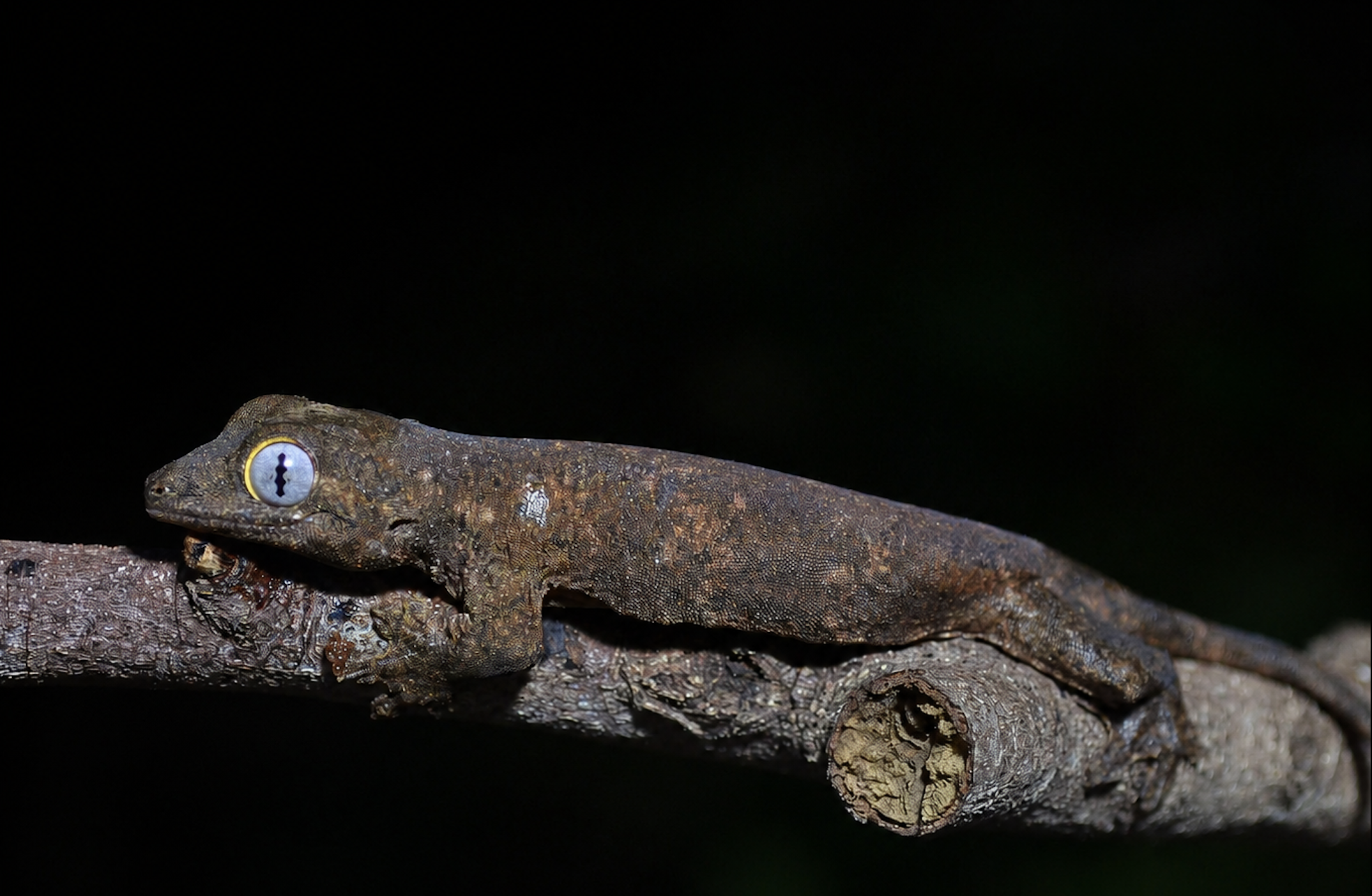
Photo courtesy of DENR Mimaropa MANILA, Philippines — Scientists have identified a new gecko species found only on Sibuyan Island in Romblon, adding to the island’s growing list of endemic wildlife and reinforcing its reputation as one of the country’s biodiversity hotspots. The Department of Environment and Natural Resources (DENR) Mimaropa welcomed the discovery of Luperosaurus alvarezi, saying it further strengthens Sibuyan Island’s status as one of the Philippines’ premier biodiversity strongholds and underscores the need to protect its remaining forests. The newly described fringed forest gecko was reported in the international peer-reviewed journal PeerJ by researchers Camila G. Meneses and Rafe M. Brown following comprehensive morphological and molecular analyses that confirmed it as a distinct evolutionary lineage found nowhere else in the world. Article continues after this advertisement The species was named after the late Filipino taxonomist and ecologist Dr. James D. V. Alvarez in recognition of his contributions to Philippine biodiversity research and conservation. The discovery was based on specimens collected from the forests of Sibuyan Island, home to Mount Guiting-Guiting Natural Park, one of the country’s most biologically important protected areas. Often referred to as the “Galápagos of Asia,” Sibuyan Island is known for its high level of endemism resulting from its long geological isolation. DENR Mimaropa said the recent discoveries of Platymantis guiting and Luperosaurus alvarezi demonstrate that the island continues to harbor species previously unknown to science. RELATED STORY: Rare Philippine deer sighted again in Marinduque Researchers said Luperosaurus alvarezi possesses distinct physical characteristics that distinguish it from all other known members of the genus. Like many of Sibuyan’s endemic wildlife species, its limited geographic range highlights the importance of conserving the island’s remaining forest habitats. Article continues after this advertisement According to the study, the discovery also underscores the need to strengthen biodiversity conservation efforts across the Romblon Island Group. Although the species occurs within a protected landscape, forest ecosystems continue to face threats from illegal logging, habitat degradation, infrastructure development, and other human-induced activities. Researchers said protecting these habitats is essential to ensure the long-term survival of the island’s unique flora and fauna. Article continues after this advertisement DENR Mimaropa said the finding also highlights the Philippines’ status as one of the world’s megadiverse countries, with many species still awaiting scientific discovery. It emphasized that continued biodiversity assessments, scientific research, and collaborative conservation initiatives are vital to expanding knowledge of the country’s natural heritage and guiding science-based conservation policies. The agency also recognized the contributions of Filipino and international scientists, protected area managers, local government units, Indigenous Peoples, local communities, academic institutions, and conservation partners whose collective efforts made the discovery possible. Your subscription could not be saved. Please try again. Your subscription has been successful. DENR Mimaropa reaffirmed its commitment to advancing biodiversity conservation through science-based policies, stronger habitat protection, and sustainable environmental management, saying the discovery of Luperosaurus alvarezi serves as another reminder of the extraordinary wildlife found in the country’s forests and the shared responsibility of protecting these irreplaceable ecosystems.
Sibuyan Island gecko discovered as new species endemic to Romblon
Full Article
📰 Original Source
Read full article at Newsinfo →KhanList aggregates and links to publicly available news content. We do not host full articles from third-party sources. Always verify important information with original sources.