
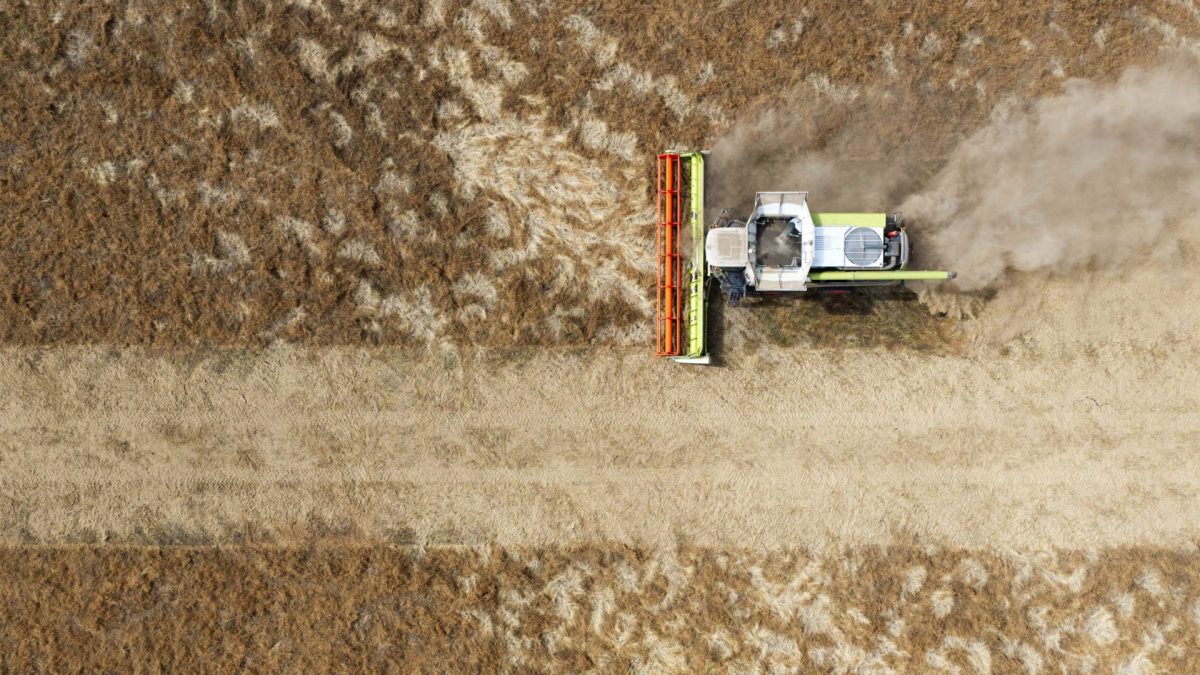
As Britain endures its sixth heatwave, with 2026 set to be the hottest summer on record and parts of the country only receiving 1 per cent of the average rainfall so far this month, our shopping baskets are already changing. Britain’s farming industry has been ravaged, as farmers battle against drought conditions, now declared across 71 per cent of England. Fruit and vegetables are struggling, grain yields are down, and cows are producing less milk. This should be the height of growing season in Britain but pubs, restaurants and supermarkets are already importing staples such as lettuce and broccoli. “We’ve already seen a reduction in yield in most cereal crops,” says Martin Lines, CEO of the Nature Friendly Farming Network. “Salads, potatoes and vegetables, which depend on high levels of moisture, have already been significantly affected.” Yields and quality are both down. “The big concern is that produce is not going to meet market specification and may be sidelined.” Along with importing more, the cost of food could get even higher. The 2020s has already seen a barrage of global shocks – the pandemic, wars in Ukraine, Gaza and Iran – meaning global food prices are already 40 per cent higher than before the cost of living crisis began in 2021, says Christian Jaccarini, senior economist for food and farming at the Energy and Climate Intelligence Unit. “The heatwaves will see those creep up further in the coming months. According to an upcoming survey by the British Standards Institution (BSI) seen by The i Paper, 46 per cent of UK businesses, including food and drink suppliers, are planning price increases over the next few months. “The perfect storm of extreme weather and the [blockading of] the Strait of Hormuz means that businesses are anticipating sustained disruption,” says Todd Redwood, the BSI’s global managing director for consumer, retail and food. “Fresh produce is likely to be affected first.” Here we look at how your shopping basket is changing thanks to this summer’s record breaking weather. Shorts “Farmers are watching crops like potatoes, leeks, onions and cauliflower die in the ground because there’s not enough water,” says Gavin Lane, president of the Country Land and Business Association. “Farm reservoirs are drying up, while those trying to store more water face years of planning delays and costs.” Wholesale prices for potatoes have risen by 40 per cent, and Lines, of the Nature Friendly Farming Network, says growers are reporting a reduction in yield of 40-50 per cent. All this is set to lead to smaller potatoes – large baking potatoes could be affected – and higher prices. Broccoli from Spain Don’t be surprised if your pack of supermarket broccoli has two heads rather than one. According to Jaccarini, at the Energy and Climate Intelligence Unit, some broccoli growers are reporting yields down by half. This is leading to British supermarkets importing at a time when it’s normally homegrown. Vanessa Marx, executive chef at Bingham Riverhouse in Richmond, says her suppliers have warned that broccoli and cauliflower have both been particularly badly hit – much of what is harvested is discoloured or heat damaged. “Our supplier has actually advised looking at alternatives rather than paying inflated prices for a product that isn’t at the quality we’d expect,” she says. Farmers growing chickpeas instead of peas As a cool-season crop, it’s been a difficult season for English pea growers, and harvests are reportedly down a third. As a product primarily eaten from frozen, their long shelf life “helps to cushion the impact of supply chain issues”, says Peter Judge, a spokesperson for Choose British Peas, adding that less extreme weather in Scotland means growers there won’t be as badly affected. Earlier this year, a Lincolnshire farming co-operative that produces peas revealed it had grown chickpeas this summer for the first time, and was looking at lentils too. Allen Giles of the Holbeach Marsh co-operative told The Times: “Only hindsight will tell, but in five or six years’ time, if this weather continues, then we may not have peas in this area any more.” More British tomatoes Though tomatoes like warm weather, “there are very few clear winners from prolonged drought and extreme heat”, says Jaccarini. Wholesale prices are up 60 per cent. Most tomatoes are imported from the Netherlands and Belgium, but farms their have also been hit by extreme heat. Some retailers are doubling down on British tomatoes in response to our changing weather. In July, Sainsbury’s announced it would increase its domestic supply of tomatoes, peppers and cucumbers, saying it needed to help build a “more resilient” supply chain. If you’re noticing the rising cost of fresh tomatoes, a cheaper choice is to use tinned varieties, which are readily available, cheap and, when cooked down with oil, salt and garlic, delicious. Imported lettuce and carrots As a thirsty crop, iceberg lettuce is struggling, with low yields and quality issues being reported. Many shops have started to import from Spain. But countries like Spain and the Netherlands have been similarly affected by the weather. “Imports are not a silver bullet,” says Jaccarini. “Imports can help smooth out local shortages, but they cannot fully protect consumers when climate extremes are hitting multiple food-producing regions at the same time.” If you’re keen to buy British for your salad, look for varieties other than iceberg, which may be more available. Otherwise, shaving ribbons of courgettes, fennel or carrot can work well. Meanwhile yields for carrots, which prefer cooler temperatures, are down. Britain produces almost all of the carrots it consumes, but when temperatures hit 25°C the crop starts to suffer. Carrots are usually harvested in September, and if the drought continues, it is likely to affect supplies next year. That could lead to us needing to import – and potential price rises. ‘Farmers are watching crops like potatoes, leeks, onions and cauliflower die in the ground because there’s not enough water,’ says Gavin Lane, president of the Country Land and Business Association (Photo: Chris Ratcliffe/Getty) Blackberries are already here – and English wine is flowing The good news, according to Grace Duncan, fresh foods editor at The Grocer, is that some fruits, such as apples and berries have had a “really strong year, with good supply and a nice eating experience”. Berries and cherries in particular have benefitted from the increased sunshine and heat this summer. But the struggle for water could make supplies in the coming weeks and months precarious. Lines says most fruit trees are already dropping fruits, and blackberries are ready now rather than in autumn. We may have to adjust our mindset as to what’s seasonally available. Meanwhile, English wine producers say 2026 could be one of the best vintages the country has ever seen, with grapes thriving in the dry, hot summer. The weather will lead to an earlier than usual harvest. Milk and meat Milk supplies have been faltering due to the heatwaves, with June and July both down on last year, according to the Agriculture and Horticulture Development Board. While unlikely to lead to mass shortages in the short term, Jenny Thomason, UK head of commercial at Modern Milkman, says this summer’s drought has forced farmers to adapt by buying in silage early and bringing cows, which normally graze outside in summer, indoors, as it’s too hot. This requires more energy and adds to the cost of production. Cows under stress have led to declining yields, too. Lines adds that meat prices are going up, with animals running out of grass to eat and already consuming winter forage. “If grass doesn’t grow later this year, we’ll run out of food over winter – that will have consequences,” says Lines.
Shrinking potatoes, but delicious cherries – how drought changed your supermarket shop
Full Article
Original Source
Read the full article at Inews →KhanList aggregates and links to publicly available news content. We do not host full articles from third-party sources. Always verify important information with original sources.