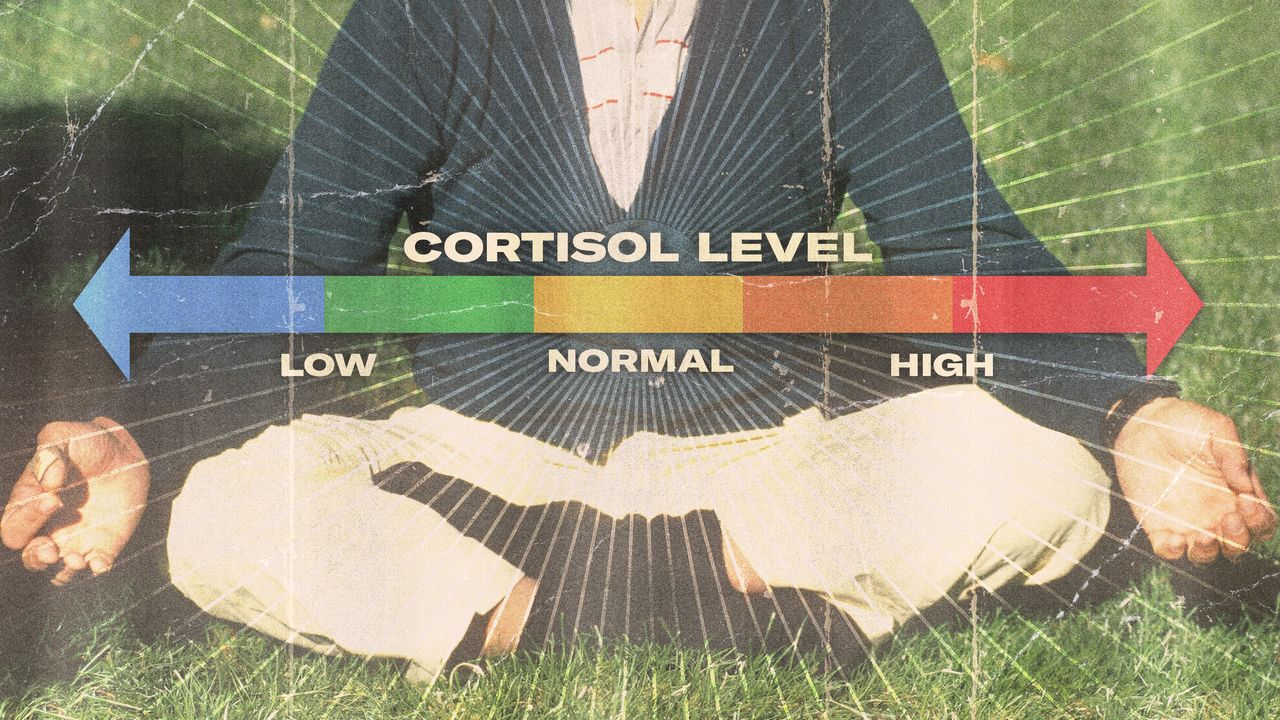
Cortisol gets a bad rap. Commonly referred to as the “stress hormone,” we’ve come to think of cortisol first and foremost as a catalyst for weight gain, poor sleep, and a host of other negative effects—basically, something that should be reined in at all costs. But while significantly high cortisol levels can be disruptive, cortisol in itself is not inherently bad. It’s all about maintaining a healthy balance.“Healthy levels of cortisol have beneficial effects,” says Sophie Trotman, a nutritionist and workplace wellbeing consultant. The hormone plays a key role in vital bodily functions ranging from regulating your metabolism to keeping your circadian rhythm on the rails. “It also has anti-inflammatory properties, which can help in the management of minor injuries or immune responses,” Trotman says, and can “enhance focus, memory, and resilience, making it easy to perform well under pressure.”So what’s the trick to managing your cortisol? Well, among other things, doing the right kind of exercise, monitoring stress factors with wearable technology, and taking supplements can all be helpful. Here’s everything the experts recommend you start doing (and stop worrying about).What is cortisol?Basically, it’s a chemical your body produces in response to stress and low glucose levels, and “plays a crucial role in multiple bodily functions, including regulating metabolism, controlling blood sugar levels, and managing the immune response,” says Dr. Chandni Rajani, GP and founder of his namesake clinic.Often referred to as the ‘stress hormone,’ cortisol helps the body respond to stressful situations by providing the energy needed to react effectively. However, maintaining balanced cortisol levels is essential for overall health and well-being, says Rajani.What causes high cortisol?According to Rajani: “stress, poor sleep quality and quantity can increase cortisol production.” Other key factors include “a diet high in processed foods, sugar, unhealthy fats,” and consuming alcohol and nicotine. Caffeine isn’t great, either. “It stimulates the release of cortisol as part of the ‘fight or flight’ response, especially in higher doses,” says Dr. Daniel Masud, Consultant General & Addictions Psychiatrist at Schoen Clinic Chelsea.According to Masud, other lifestyle factors that can raise your cortisol levels include:Limited social interactionsExcessive screen time, especially in the eveningFinancial instability, strict deadlines, or constant multitaskingChronic worry, pessimism, or self-criticismWhat are the effects?Spotting the effects can be difficult. “Identifying the impact of high cortisol can be hard because symptoms may overlap with other health issues,” says Rajani. But if you’re looking for the most common symptoms, keep an eye out for “unexpected weight gain, especially around the waist, fatigue, and cravings for sugary or high-carb foods. You may also notice mood swings, increased anxiety, and difficulty concentrating.”High cortisol can be a contributing factor to “high blood pressure and heart issues, digestive issues, skin and hair changes, lowered immune response and reduced libido and fertility issues,” says Masud.If your cortisol levels are high for an extended period of time, you can put yourself at risk of “impaired memory and focus,” says Dr. Elena Touroni, a consultant psychologist and co-founder of the Chelsea Psychology Clinic. “Chronic high cortisol is also linked to mood disorders like anxiety and depression. Managing cortisol helps maintain a balanced mood, better energy levels, and a healthier body, contributing to improved resilience and quality of life.”What can you do to manage your cortisol?When it comes to managing cortisol, physical exercise and rest are the biggest tools in your arsenal. That said, high cortisol levels might make exercising more difficult. “High cortisol is associated with weight gain and muscle loss, both of which can hinder fitness goals,” says Masud. “Lowering cortisol can support muscle growth, fat loss, and overall physical performance. [Reducing] cortisol can reduce the risk of high blood pressure, heart disease, and obesity. Many men experience easier weight management and enhanced physical performance.”According to Trotman: “exercise is one of the most effective ways to help to regulate cortisol levels.” But doing the right kind of exercise is key. “High-intensity or excessive exercise may temporarily raise cortisol levels. If you’re already going through a stressful season of life, this may be problematic. Listen to your body.” When it comes to exercises effective at lowering cortisol, many men are favoring “interval training, yoga, and outdoor activities, which have been shown to promote relaxation and reduce cortisol,” says Masud.Practicing mindfulness is also a solid way to keep your cortisol in check. “Meditation, deep breathing, and mindfulness practices help activate the body’s relaxation response, counteracting stress,” says Masud. If the idea of meditating feels a bit daunting at first (don’t worry, we get you), there are loads of apps you can download to help, like Headspace.Masud also points out that you should prioritize a “regular sleep schedule, minimizing screen time before bed, and creating a calm sleep environment can support healthy cortisol rhythms.” Using wearable technology, such as smartwatches, Whoop bands, and Oura rings, can help. These devices “track heart rate, sleep, and stress metrics [and] have become valuable tools for men. They can provide insights into cortisol fluctuations and help users optimize lifestyle choices.” (Of course, if you then find yourself stressing over your stats, you're better off without them.)High cortisol and dietEveryone knows that eating healthy whole foods is a good thing to do, but it can also positively impact stress levels. “A balanced diet rich in whole foods, antioxidants, and healthy fats, combined with good hydration, can further support hormonal balance,” says Rajani. Don’t overdo it on the caffeine, as that'll make getting the right type of sleep harder. And a diet high in processed foods, sugar, and unhealthy fats can also negatively impact hormonal balance.If you’re wondering what type of foods you should be eating, go for those rich in “lean protein and omega-3 fatty acids from sources like salmon, walnuts, and flaxseed,” says Masud. Trotman points out that “nutrients like magnesium and vitamin C, found in foods such as leafy greens and citrus fruits, may help buffer cortisol responses, and support adrenal health.”Can cortisol negatively impact your appearance?You might have noticed influencers on X or TikTok freaking out about how elevated cortisol could be making you ugly. Sigh. Anyway, we’re happy to inform you that this is in all likelihood not something you need to worry about. “While cortisol can impact facial features, the social media ‘cortisol face’ is an oversimplification of what's actually going on,” says Daniel Careaga, MD, a double board-certified plastic surgeon and founder of Careaga Plastic Surgery. Cortisol levels rise and fall in a normal pattern throughout the day, and “everyday stress is not expected to lead to a permanently round or puffy face,” he says. “In fact, temporary puffiness is most commonly linked to fluid retention caused by a lack of sleep, sodium-rich food and drink intake, alcohol consumption, allergies, or hormonal changes.”Only in extremely rare cases can cortisol cause noticeable and persistent changes in the face. “Cortisol can dramatically alter facial appearance, but only at the elevated levels seen in Cushing’s syndrome,” says Debra Jaliman, MD, a board-certified dermatologist and assistant clinical professor of dermatology at the Icahn School of Medicine at Mount Sinai. In a 2021 review, researchers at the University of Birmingham noted an annual incidence of Cushing's syndrome ranging between just 1.8 and 3.2 cases per million people. “In Cushing’s syndrome, prolonged elevated cortisol levels can cause a ‘moon face’ as a result of redistribution of fat to the mid and lower face,” Jamilan says. “But this does not occur at the mildly elevated levels caused by everyday stress, intense exercise, or poor sleep.”So, rest assured, unless you have been diagnosed with Cushing’s syndrome — which also includes symptoms like weight gain, muscle weakness, thinning of the skin, and easy bruising — any face puffiness you’re experiencing is likely not being caused by cortisol. “The first thing I always do is educate patients about how many factors play into it,” says Careaga. “Genetics, aging, body weight, hydration, medication, and general health all have an impact, rather than the normal stress of daily life. If facial changes are persistent or occur with other alarming symptoms, they should be evaluated by a physician, rather than dismissed as ‘cortisol face.’”A version of this story originally appeared in British GQ.
Should You Worry About Your Cortisol Levels?
Full Article
Original Source
Read the full article at Gq →KhanList aggregates and links to publicly available news content. We do not host full articles from third-party sources. Always verify important information with original sources.