
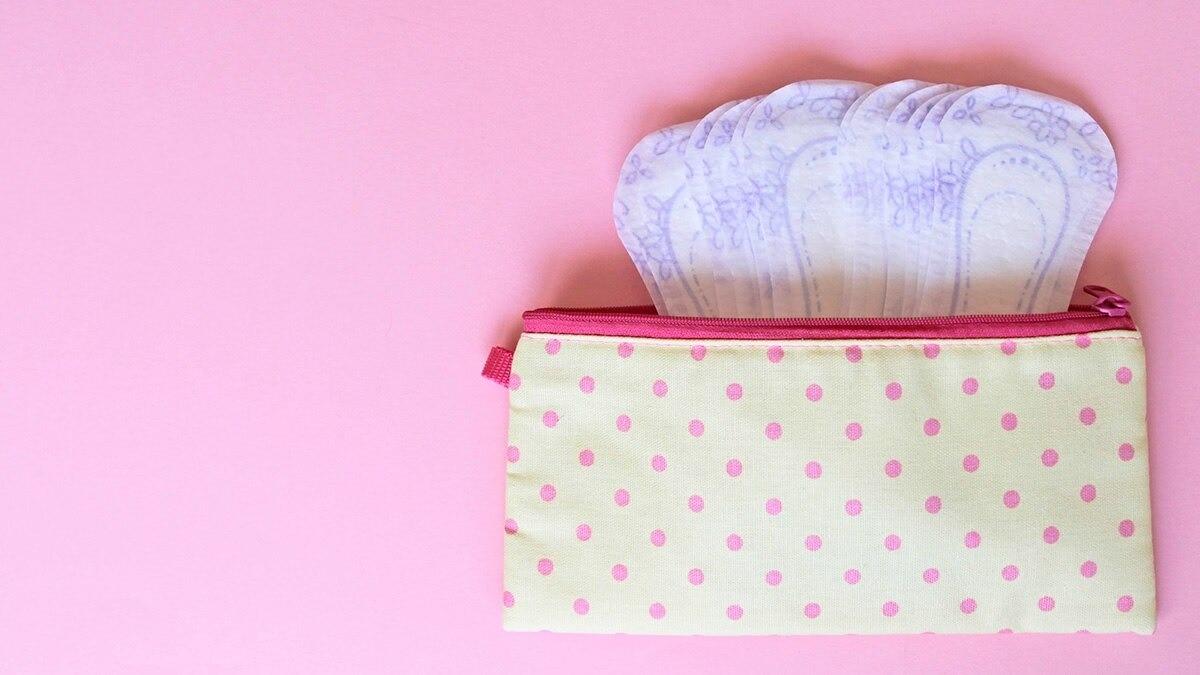
Every month, nearly one billion sanitary pads are used and discarded in India. That translates into approximately 12 billion pads annually, generating thousands of tonnes of menstrual waste. Most of these pads are used for a few hours, but the plastic and synthetic materials they contain can persist in the environment for decades. What begins as a matter of personal hygiene eventually becomes a challenge for waste management, public health and environmental sustainability.India has made remarkable progress in menstrual hygiene over the past two decades. According to the National Family Health Survey (NFHS-5), nearly 78 per cent of women aged 15–24 years reported using hygienic methods of menstrual protection in 2019–21, compared with 58 per cent in 2015–16. This is a welcome development, reflecting improved awareness, affordability and access.However, increasing access to disposable sanitary pads has created another challenge that deserves equal attention: what happens to these products after use? Most disposable sanitary pads contain plastic layers, synthetic fibres, adhesives and absorbent materials. After use, they are frequently mixed with household waste and eventually reach landfills, open dumping grounds, drains or water bodies.Menstrual stigma further complicates disposal. Many women discreetly wrap used pads in paper or plastic before discarding them. In some communities, pads are buried or burned in the open. Such practices may appear convenient but are environmentally problematic. Because used pads contain blood and other biological materials, safe disposal is essential. Controlled incineration is one possible method, particularly where appropriate facilities are available. However, collecting, transporting and incinerating tens of millions of pads every day across a country as geographically vast as India would be logistically difficult, expensive and environmentally demanding.Importantly, ordinary household sanitary waste does not necessarily require biomedical-waste-style incineration. Poorly designed incinerators and open burning can release harmful pollutants, especially when plastic-containing materials are burned at inadequate temperatures. Building millions of incinerators is therefore neither a realistic nor necessarily desirable solution. A more fundamental question deserves consideration: can we reduce the amount of menstrual waste generated in the first place?THE HIDDEN COST OF MENSTRUAL HYGIENEEnvironmental concerns are only one part of the story. Depending on quality and brand, a disposable pad may cost anywhere from a few rupees to more than 10. A woman using 8–15 pads during each menstrual cycle may spend 60–200 or more every month. For financially secure families, this amount may seem insignificant. For households struggling to afford food, education and healthcare, it represents another recurring expense.India has introduced affordable sanitary pads through government initiatives, including pads priced at 1 each through Jan Aushadhi Kendras. However, geographical accessibility, availability and awareness remain uneven.When sanitary products are unaffordable, adolescent girls and women may resort to improvised alternatives. These include old pieces of cloth, sometimes inadequately washed or dried, or using the same absorbent material for longer than advisable.Such practices can contribute to skin irritation, discomfort and, under certain circumstances, infections. However, it would be scientifically incorrect to suggest that cloth itself causes infections or that disposable pads automatically prevent them.THE CASE FOR REUSABLE SANITARY PADSThere are reusable sanitary pads which are commercially available and offer a practical alternative that deserves considerably greater attention. Usually manufactured using cotton or other suitable absorbent fabrics, these pads can be washed, thoroughly dried and reused repeatedly. A small set may serve a woman for many menstrual cycles, depending on its quality and durability.Their advantages extend beyond environmental protection.First, reusable pads can substantially reduce the volume of discarded menstrual products. Instead of generating a dozen or more used pads every month, a woman can use the same set repeatedly.Second, although the initial purchase cost may be higher, repeated use can reduce expenditure over time. This is particularly relevant for adolescent girls, women in low-income households and families with several menstruating members.Third, reusable pads create opportunities for local manufacturing, entrepreneurship and women's economic empowerment.Evidence suggests that reusable pads can be acceptable, affordable and environmentally beneficial. However, available studies have limitations, particularly in assessing infection risks and long-term health outcomes. Therefore, reusable products should not be portrayed as universally safer than disposable alternatives.Their benefits depend on product quality, correct usage and appropriate hygiene practices.INDIA'S SUNSHINE ADVANTAGE AND ITS LIMITATIONSIndia has a potentially useful advantage in promoting reusable menstrual products: abundant sunshine across much of the country.In many regions, properly washed pads can be dried completely in sunlight or well-ventilated spaces for much of the year. This makes their maintenance relatively feasible compared with locations experiencing prolonged cold and damp weather.However, this advantage should not be overstated. During the monsoon, humid conditions or harsh northern winters, complete drying may become difficult. Women living in overcrowded homes may lack privacy or dedicated drying spaces. Access to sufficient clean water and soap cannot always be taken for granted.Using damp or inadequately cleaned reusable pads can cause irritation and other hygiene-related problems. Consequently, promoting reusable pads must go hand in hand with ensuring access to water, washing facilities, privacy and appropriate user education.AN OPPORTUNITY FOR WOMEN'S SELF-HELP GROUPSReusable sanitary pads can also become an instrument of women's economic empowerment. With appropriate technical training, quality standards and institutional support, women's self-help groups could manufacture these products locally.Schools, community organisations, panchayats and state governments could facilitate procurement, distribution and awareness programmes. Local manufacturing could create livelihoods, strengthen community ownership and reduce dependence on commercially packaged disposable products. Nevertheless, affordability must never come at the expense of safety. Material quality, absorbency, skin compatibility, durability and washing instructions must meet appropriate standards.There is also no justification for prescribing a single menstrual product for every woman. Disposable pads, reusable pads and menstrual cups each have benefits and limitations. Women's preferences, convenience, occupational circumstances, privacy and access to sanitation facilities must guide their choices.Menstrual hygiene is an entry point to better women's health. However, India's next phase of menstrual hygiene policy must therefore move beyond counting how many disposable pads have been distributed.The freedom to choose the sanitary products that work best for them. Reusable sanitary pads deserve a prominent place in that choice not as a compulsory replacement for disposable products, but as an affordable, practical and environmentally responsible option.Ultimately, menstrual hygiene should not come at the cost of either women's financial security or environmental health. India needs a menstrual health movement that protects women's dignity, strengthens their health and leaves behind less waste.Dr Lahariya is the author of “Pill-Free: You Don’t Need Everything You Have Been Prescribed.” Dr Virmani is an endocrinologist with a special interest in paediatric endocrinology.- Ends
Should you switch to reusable sanitary pads? Doctors explain the cost and health benefits
Full Article
Original Source
Read the full article at Indiatoday →KhanList aggregates and links to publicly available news content. We do not host full articles from third-party sources. Always verify important information with original sources.