
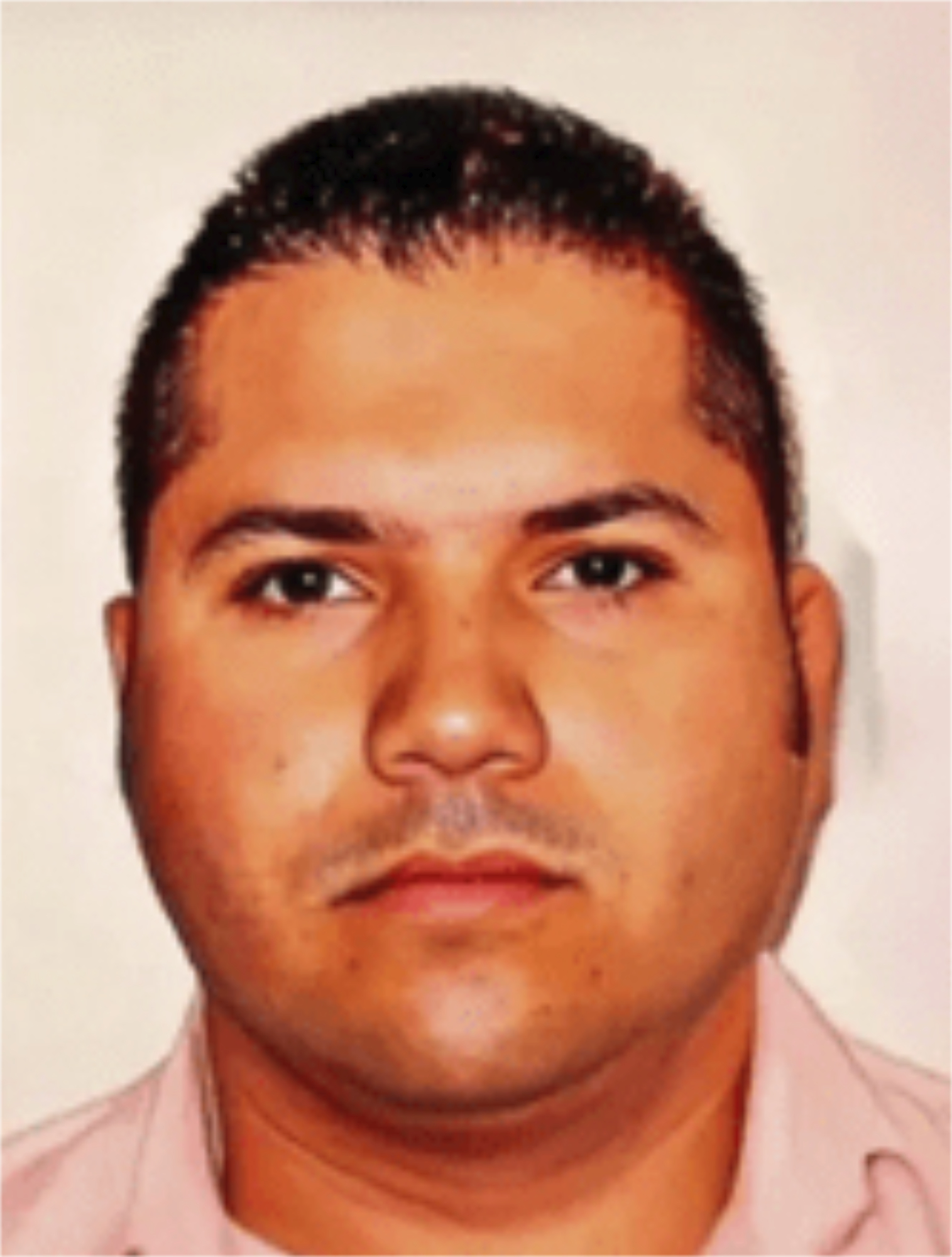
The Mexican government said the capture was carried out in accordance with Mexican laws as a matter of public security despite heavy U.S. pressure to arrest the accused trafficker.MEXICO CITY (CN) — Mexican President Claudia Sheinbaum said Monday that the capture of Fausto Isidro Meza Flores, known as “El Chapo Isidro,” by Mexican federal forces was carried out with the help of U.S. intelligence, including drones.Mexican federal forces captured Meza Flores, an accused cartel leader, Friday night in Sinaloa. His rise to power came after the bloody splintering between the Beltrán Leyva brothers and Joaquín “El Chapo” Guzmán factions of the Sinaloa cartel following Alfredo Beltrán Leyva’s 2008 arrest.Meza Flores took over the remnants of the Beltrán Leyva operations and established his own faction, the Meza-Flores Transnational Criminal Organization.The FBI placed Meza Flores on its Ten Most Wanted Fugitives list in [February 2025](http://El Chapo Isidro,” one of the FBI’s Ten Most Wanted), stemming from a 2019 superseding indictment for drug trafficking and gun charges. According to the U.S. Department of Justice, a Homeland Security Task Force investigation led to his arrest.Sheinbaum said Monday that the Mexican government requests and authorizes the use of U.S. drones in accordance with Mexico’s National Security Act. She added that drones and U.S. intelligence are authorized in operations against criminal organizations, but U.S. forces do not carry out operations in Mexico.“The activities of planning, execution, operation are carried out by the [Mexican] Armed Forces, the National Guard, the secretary of security, and we have support in intelligence,” said Sheinbaum. “They intended to operate with their Armed Forces in Mexico, to which we said no; they intended to have much more interference, even in planning operations, and we said no,” she added, referring to U.S. armed forces on the ground in Mexico.Mexican Secretary of National Defense General Ricardo Trevilla Trejo said on Monday that a week before Meza Flores’ capture, the Mexican Secretariat of National Defense obtained intelligence that led to authorizing the use of U.S. drones to locate Meza Flores in Sinaloa.Trevilla Trejo said these authorizations comply with Mexican National Security laws.“A request is submitted to the National Security Council by a government agency — in this case, the Secretariat of National Defense. The request clearly specifies the objective, the intended purpose, the areas to be surveyed, the flight path and the type of aircraft to be used. The security cabinet then meets to decide whether or not to approve it,” he said, before stressing that it was a matter of national security and not an act of war.The general stated that four military personnel and 16 organized criminal members were killed in the operation that occurred in three phases on Friday night into the morning hours of Saturday.U.S. Attorney General Todd Blanche called the arrest a “combined interagency effort” that included the Homeland Security Task Force that supported this “Mexican operation to remove a leader of one of the most dangerous drug cartels in Mexico” in a Saturday Department of Justice statement about his capture.An expert on the Sinaloa conflict highlighted U.S. involvement in the operation and questioned what could come next.“The Mexican government has once again proven itself able to conduct high-risk, time-sensitive operations, using intelligence shared with U.S. authorities,” said David Mora, senior Mexico analyst of the International Crisis Group, in a statement shared with Courthouse News. “Chapo Isidro’s organization had a virtual hegemony in northern Sinaloa, with a strong hold over fentanyl production and trafficking. And this central role in the synthetic drug trade made him a top priority for the White House; he was among the FBI’s most wanted fugitives.“The government seems to have been more prepared for the immediate retaliation by Chapo Isidro’s combatants than it was during past operations, such as the killing of ‘El Mencho’. But the most important question is what happens next,” said Mora. “Similar beheading operations have created power vacuums and thus more violence as internal cartel fighting spikes. Sinaloa already has major territorial disputes which could intensify. We’ll learn in the weeks ahead if the Mexican authorities have plans in place to deal with this.”Subscribe to our free newslettersOur weekly newsletter Closing Arguments offers the latest about ongoing trials, major litigation and rulings in courthouses around the U.S. and the world, while the monthly Under the Lights dishes the legal dirt from Hollywood, sports, Big Tech and the arts.Additional Reads
Sheinbaum confirms US intelligence, drones helped locate accused drug kingpin
Full Article
Original Source
Read the full article at Courthousenews →KhanList aggregates and links to publicly available news content. We do not host full articles from third-party sources. Always verify important information with original sources.