
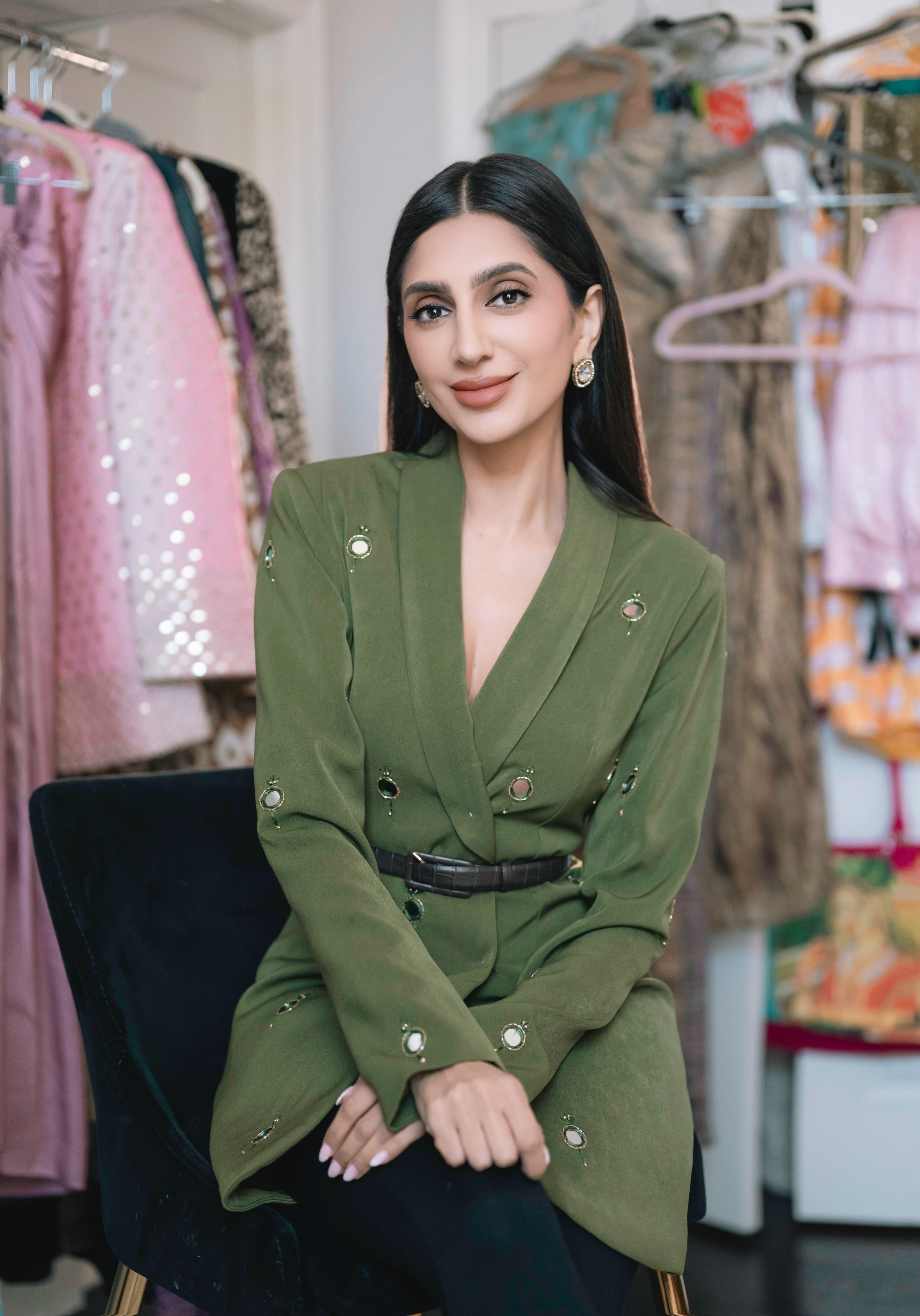
Opinions expressed by Entrepreneur contributors are their own. Key Takeaways Make sure your business has enough momentum for the fundraising process. Pick the right partners and investors when raising money for your business. Have a solidified plan of how you plan to use the money from investors. “Growing up in Queens, I could never quite find clothes that felt like me. So I started making them. First for myself, mixing my mother’s saris with denim and leather. Then for friends and family. Then somehow, a whole community,” says Megha Rao, founder of holiCHIC. “The dream grew into something I could have never imagined. From Queens to Nordstrom, people are wearing holiCHIC blazers, saris, dresses and more around the world.” As a former finance sales professional, Rao had built a successful business on her own for close to 10 years. As a customer of Nordstrom, she couldn’t shake the feeling that holiCHIC and the retailer could be amazing partners. After months and months of cold calling, she was able to secure a pop-up shop opportunity at Nordstrom’s New York Flagship location in 2023, right before Diwali. “The pop-up show was a massive success, and we exceeded our expectations over those three days,” Rao says. “The opportunity led us to a meeting with the buyer, and then we went into an online partnership with Nordstrom.” After bootstrapping holiCHIC for years, and building it into a seven-figure business, the brand raised their first $1.5 million seed round in May 2026. Since then, sales are up 47%. Here are three questions Megha Rao encourages other founders to ask as they consider raising a seed round: 1. Does the business have momentum? “My biggest fear was that we wouldn’t be able to keep up with the momentum after the success we have seen with Nordstrom,” Rao says. “After my team and I looked at the data, we saw that there was a growing segment of customers who identified as non-South Asian. They were wearing holiCHIC because they appreciated the style and quality.” Rao wanted financial resources available when more opportunities arrived. She was right about the momentum; Amazon Fashion came calling. Rao was open to working with them because she had decided to raise money. 2. Who do you want to partner with? “Being bootstrapped is a rollercoaster ride,” says Rao. “You have one great month, and then next month there’s a lull, and your profit is eaten up. At the same time, it’s your business. You take inputs from others but you make the final call.” Rao was open to bringing on more than one investor. She was introduced to an angel investor, who after two meetings with Rao, wrote a check for the entire $1.5 million seed round. Rao says for her, partnering with one investor has been the best decision. If she had multiple investors, that may have given her access to more networks, and she would have had to manage lots of different opinions. “Our angel investor understands our vision. They respect and appreciate how we have grown our business steadily. It was really the right fit,” Rao says. 3. How will you use the money? Rao wanted to raise a seed round to scale holiCHIC. “I didn’t want to take outside funding to test and burn through investors’ cash,” says Rao. “I made plenty of mistakes early on when it came to product fit, shipping and more. We were ready to take on investors to grow different parts of the business.” Rao had a clear vision of how holiCHIC will use the money. She plans to invest more in marketing and an influencer strategy. She’s focused on Amazon fashion and TikTok shop. “We know we have a huge audience with women, and they usually have a plus one for events they are attending,” Rao shares. “We are doubling down on holiCHIC Men and concentrating on fit and style.” Rao also has her sights set on becoming a globally recognized brand, with the U.K., India and the Middle East on her list. But first comes the work in the U.S. and Canada. She’ll consider raising again once revenue hits over five times, and until then, her focus is on consistent results and growing holiCHIC’s retail presence, team and product lines. Rao’s advice to founders is simple: “Don’t raise money to find momentum. Raise money to fuel it.” Key Takeaways Make sure your business has enough momentum for the fundraising process. Pick the right partners and investors when raising money for your business. Have a solidified plan of how you plan to use the money from investors. “Growing up in Queens, I could never quite find clothes that felt like me. So I started making them. First for myself, mixing my mother’s saris with denim and leather. Then for friends and family. Then somehow, a whole community,” says Megha Rao, founder of holiCHIC. “The dream grew into something I could have never imagined. From Queens to Nordstrom, people are wearing holiCHIC blazers, saris, dresses and more around the world.” As a former finance sales professional, Rao had built a successful business on her own for close to 10 years. As a customer of Nordstrom, she couldn’t shake the feeling that holiCHIC and the retailer could be amazing partners. After months and months of cold calling, she was able to secure a pop-up shop opportunity at Nordstrom’s New York Flagship location in 2023, right before Diwali. “The pop-up show was a massive success, and we exceeded our expectations over those three days,” Rao says. “The opportunity led us to a meeting with the buyer, and then we went into an online partnership with Nordstrom.”
She Bootstrapped Her Way to 7 Figures. Here’s How a Big Nordstrom Win Signaled It Was Time to Raise.
Full Article
Original Source
Read the full article at Entrepreneur →KhanList aggregates and links to publicly available news content. We do not host full articles from third-party sources. Always verify important information with original sources.