
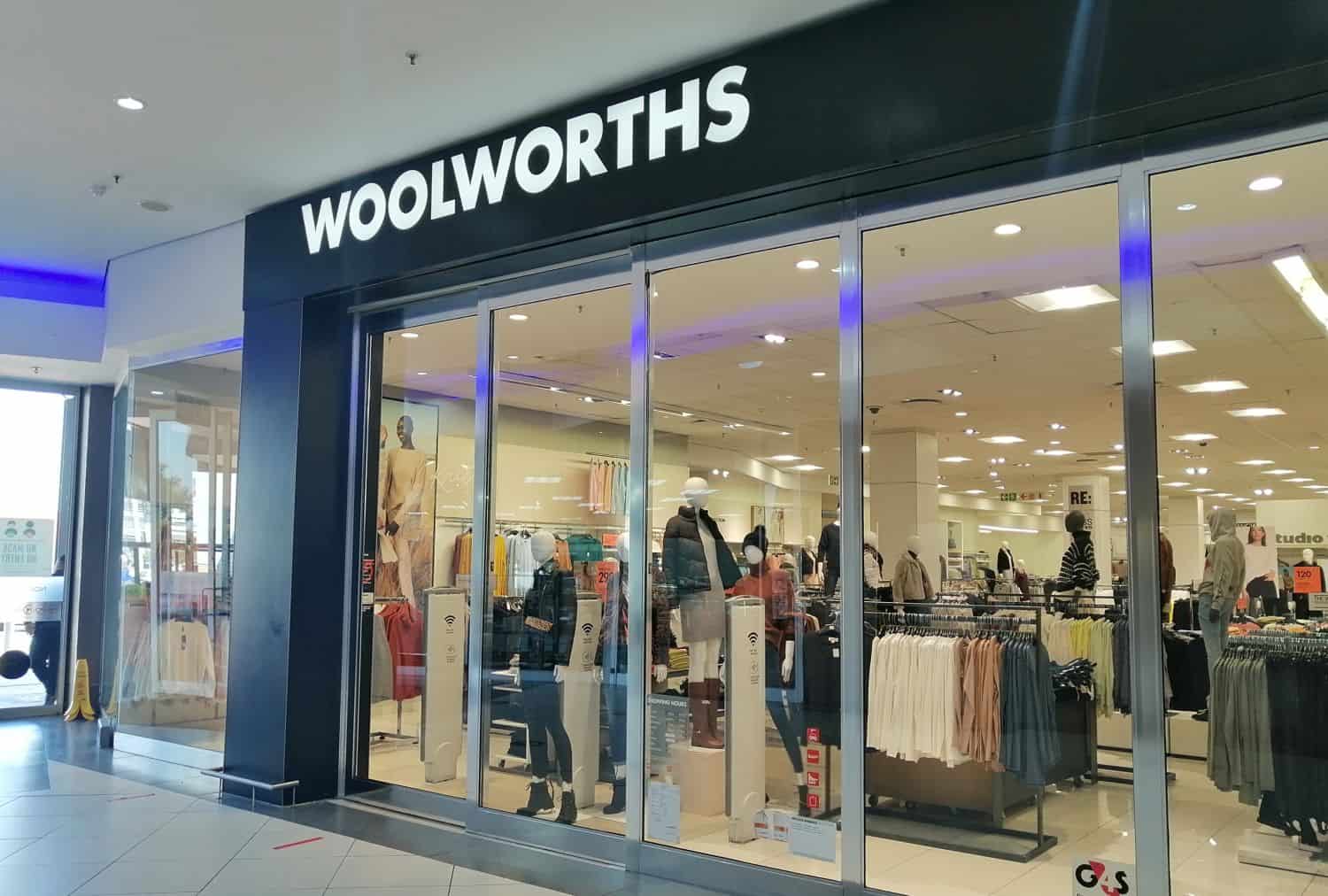
Vote on remuneration at Woolworths AGM fails to pass. In an unprecedented result, shareholders of Woolworths have near-wholeheartedly rejected the retailer’s remuneration report, with 84% of those who voted (74% of shares) voting against the resolution at its AGM on Monday. This means the vote on the approval of the remuneration report received only 15.97% of the votes in favour. The group says “the areas of concern raised by shareholders relate mainly to the incentive outcomes for the former group CEO, including the once-off RSP [restricted share programme] awards”. Under his supposed ‘retirement’ as CEO on 31 May, Roy Bagattini, who departed the group on 30 September, has long-term incentives under its RSP and performance share (PS) schemes with a fair value totalling R88.5 million at 28 June 2026 (the end of the group’s financial year). Former CEO Roy Bagattini, who left the group on 30 September. Image: Supplied In its annual report, the chair of the retailer’s remuneration and talent management committee (Remco), Itumeleng Kgaboesele, says that in accordance with the scheme rules “Roy will remain a retiree-participant in respect of the annual awards made in September 2024 and September 2025, subject to the achievement of the applicable group performance measures”. According to the report, Bagattini was awarded “R10 million restricted (RSP) shares in both September 2024 and September 2025, subject to ensuring an appropriate successor to his role and a smooth leadership transition that maintains continuity”. “The committee agreed that he had achieved the succession and leadership transition plans and therefore vesting of these awards occurred in September 2026,” says Kgaboesele. Shareholders are clearly incredibly and publicly unhappy about this outcome. New rules, louder voices This is the first vote against a remuneration report following the legislative changes that took effect recently. Under the Companies Amendment Act, which came into effect on 22 May, shareholder votes on resolutions related to remuneration are now binding (these were previously non-binding). Listed companies are required to get shareholders’ approval on both the remuneration policy and the actual report (sometimes referred to as implementation). Even the vote on the policy didn’t pass with a strong majority. Only 64.38% of Woolworths shareholders who voted were in favour. Under previous regulation, these non-binding votes would’ve needed to attain at least 75% approval, failing which the company would have to formally engage with shareholders. Woolworths, however, says it “welcomes shareholders’ support and approval of the remuneration policy”. “Having engaged extensively with the company’s major shareholders prior to the AGM, the board is cognisant of shareholder concerns in relation to the remuneration report.” Under the changes from the amendment act which came into effect earlier this year, shareholders need to approve the remuneration policy every three years. It gets trickier… Given that the resolution on the report was not passed, the remuneration committee must engage with shareholders on their concerns and report back at the next AGM. This is a so-called ‘one-strike rule’. In addition, any eligible non-executive directors on the remuneration committee are compelled to stand for re-election as committee members at next year’s AGM. The current remuneration and talent management committee members comprise Clive Thomson, Nolulamo Gwagwa, Rob Collins, Christopher Colfer and Itumeleng Kgaboesele (chair of the committee). Collins joined that committee on 1 October 2025. If this resolution (for the remuneration report) is voted against at next year’s AGM, under the new amendment act eligible non-executive members of the remuneration committee are barred from serving on it for two years. They may also only remain on the main board if they successfully stand for election as directors. The group says that 12% of shareholders (of those who voted), voted against a special resolution relating to the remuneration of South Africa-based non-executive directors. Other special resolutions related to this pay (for Australia- and UK-based directors as well as for an “additional hourly services rate” received acceptances of over 95%. The group says increases in pay for non-executive directors will be 4% for South Africa- and Australia-based directors, and 3% for UK-based ones. Under the group’s ‘benefits programme’, directors are eligible to receive discounts from purchases made in Woolworths stores. This article was republished from Moneyweb. Read the original here.
Shareholders reject R90m Woolies bonus awards to former CEO
Full Article
Original Source
Read the full article at Citizen →KhanList aggregates and links to publicly available news content. We do not host full articles from third-party sources. Always verify important information with original sources.