
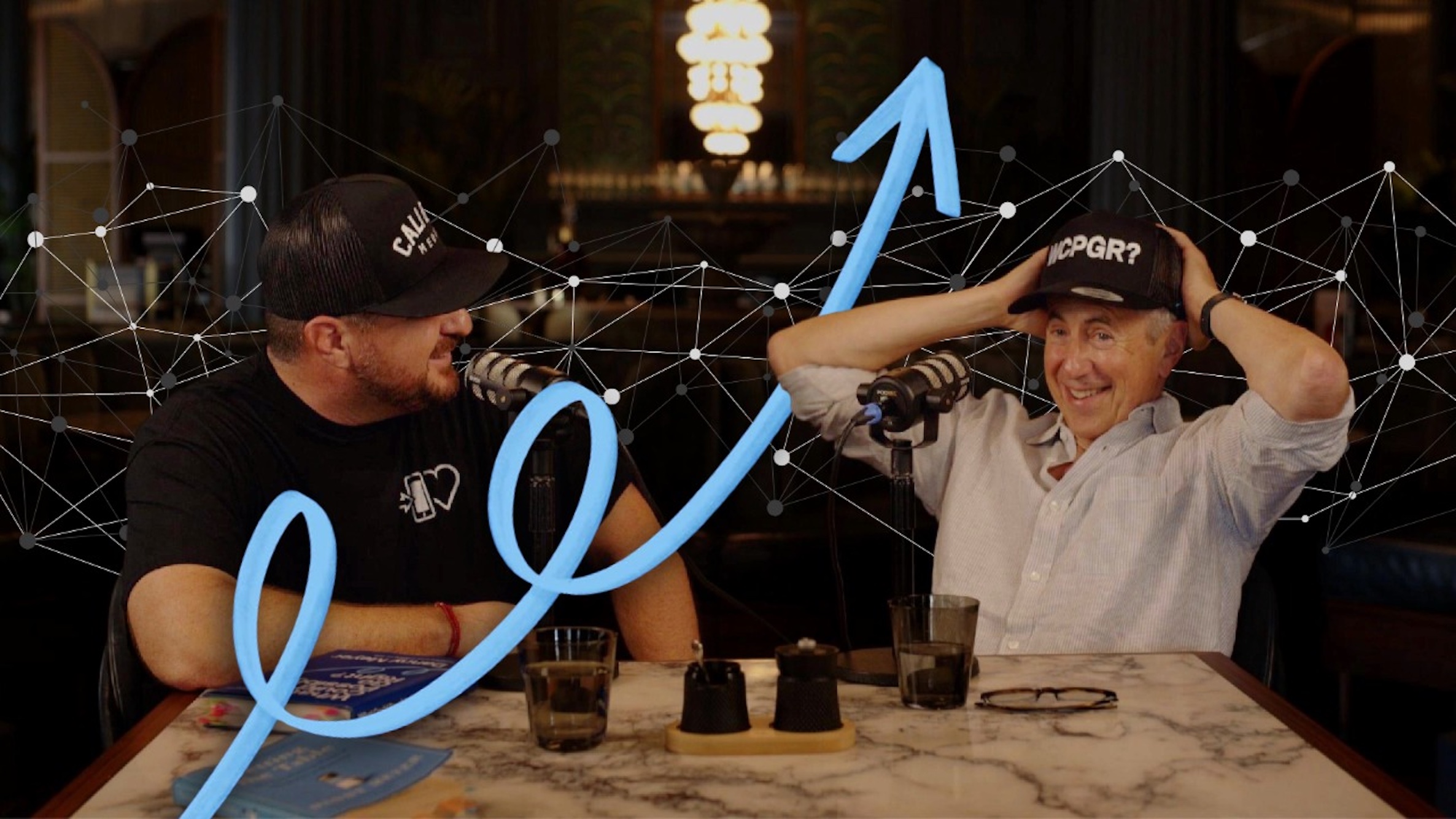
Opinions expressed by Entrepreneur contributors are their own. Key Takeaways Meyer warns against cutting resources to chase higher profits. His philosophy on treating great employees comes from a gardening lesson his grandma taught him. Being a good leader starts with collecting the dots, and then acting on them. A smile has never been the expense that ruined a restaurant’s financial statement. Legendary restaurateur Danny Meyer, founder of Shake Shack and founder and executive chairman of Union Square Hospitality Group, uses that example to challenge the idea that hospitality and profitability work against each other. He once believed focusing on the financial side of his business could get in the way of caring for people. Life experience changed his mind. “You can offer so much more hospitality when you’re profitable,” Meyer says. Meyer joined me at Bourbon Steak in San Francisco, a Michael Mina restaurant that opened early for the conversation, to discuss his new book, What Could Possibly Go Right? Financial strength lets a restaurant do more for its employees, guests, community and suppliers. For Meyer, pursuing profit becomes a problem when owners start taking away what guests value or what employees need to serve them. “You don’t get more profitable by cutting muscle,” he says. “You get there by strengthening your muscle.” Feed the flowers Strengthening muscle takes attention, and where leaders direct theirs matters as much as where they direct their dollars. A lesson from Danny Meyer’s grandmother’s garden helped him think about that. As a child visiting Grandma Louise in St. Louis, he learned to identify and pull weeds. As he grew older, he kept reaching for them, even as the flowers grew. His grandmother suggested a different approach. “Let’s feed the flowers,” Meyer recalls. “When the flowers are flourishing, they are going to create so much shade that the weeds are gonna die anyway.” Years later, Meyer recognized a similar pattern in his leadership. He was spending too much time trying to change employees who were causing problems, while overlooking people who excelled at their jobs and made their teammates better. Watching a field of sunflowers gave him another way to describe the responsibility. The flowers turned toward the sun. He realized leaders were the sun. “We want the gravitational pull for all the sunflowers to be in the right direction,” Meyer says. “So that’s where we need to shine our light.” Collecting the dots Meyer also teaches restaurant owners to remember the details that matter to people. This illustrates a principle from Setting the Table: Always collect the dots so you can always connect them. For Meyer, those dots are information about people that can become opportunities to care for them. “The people who are greatest at the game are the people who care the most about making human connections,” Meyer says. During our sit-down, I saved an emotional dot for him. I handed Meyer an iPad, and on the screen, barbecue legend Mike Mills spoke about his admiration for Meyer in an interview I had recorded years earlier. It was my own version of collecting and connecting the dots. “Thank you for bringing him back,” Meyer says. Meyer pointed to longtime colleague Richard “RC,” whom he met when RC managed Wolfgang Puck’s Postrio in San Francisco. Meyer’s Union Square Cafe regulars wanted tables at Postrio. RC’s guests wanted reservations in New York. Helping each other’s guests led to friendship and nearly 30 years working together. RC read constantly, noticing new jobs, marriages, divorces and other details he could use to make someone feel better. Collecting information gave him opportunities to act thoughtfully. As we wrapped up our lunchtime conversation, I connected one last dot. I read a passage from Meyer’s book (“Starting on a hat, finishing a hat. Look, I made a hat where there never was a hat,” a quote from the Stephen Sondheim musical Sunday in the Park.) I handed him a custom hat with the letters “WCPGR” on it, short for “What Could Possibly Go Right?” I told him, “I made you a hat, Danny.” “That’s incredible. Thank you,” Meyer says before putting it on. Being profitable gives owners more capacity to care for people. Being hospitable requires them to use that capacity well, including giving their strongest employees the support and attention they deserve. For Meyer, strengthening the business means strengthening the people who make guests feel welcome. Profitability helps owners keep making that investment. About Restaurant Influencers Restaurant Influencers is brought to you by Toast, the powerful restaurant point-of-sale and management system that helps restaurants improve operations, increase sales and create a better guest experience. Toast — Powering Successful Restaurants. Learn more about Toast. Restaurant Influencers is proud to have PepsiCo as a sponsor of this episode. Partnering with PepsiCo Foodservice helps restaurant operators drive sustainable growth through smarter digital experiences, AI-backed menu optimization, and tools designed to create more profitable online orders. Check out PepsiCo Foodservice
Shake Shack’s Founder Lives By a Leadership Rule His Grandmother Taught Him as a Kid. It Has Nothing to Do With Restaurants.
Full Article
Original Source
Read the full article at Entrepreneur →KhanList aggregates and links to publicly available news content. We do not host full articles from third-party sources. Always verify important information with original sources.