
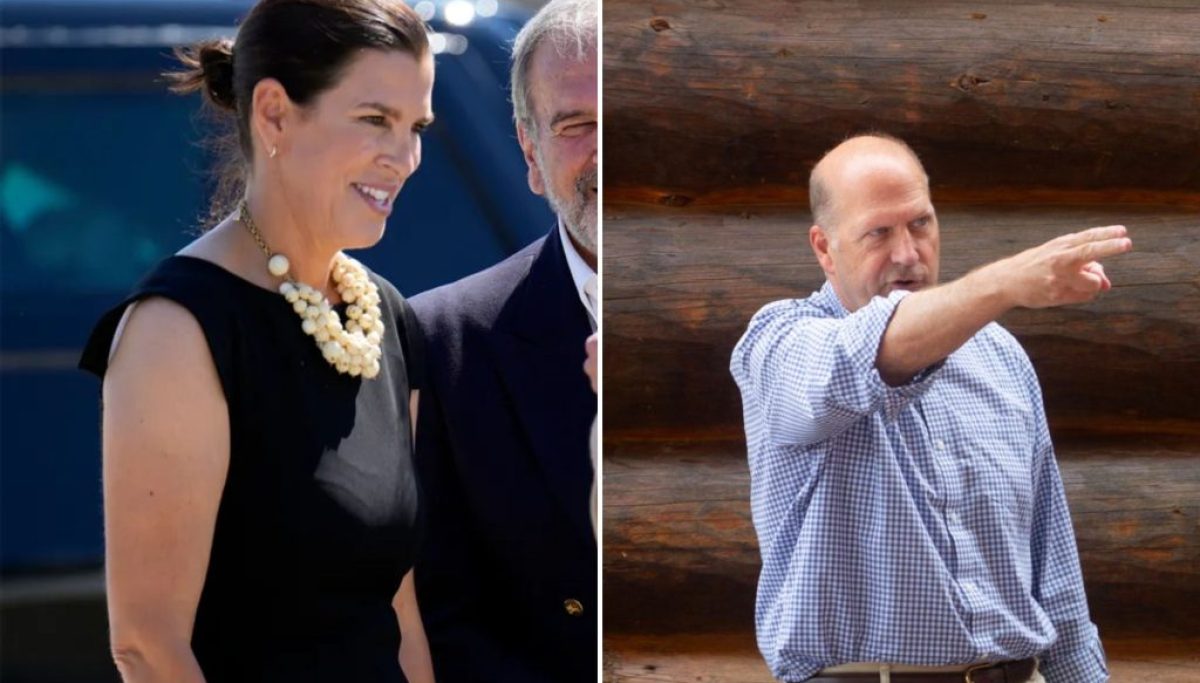
The 2026 primary contests will soon be over. Last week in New Hampshire, two members of that state’s storied political families won their races. What do Americans think about these political dynasties, and how are they faring in other states this fall?Stefany Shaheen, daughter of the retiring senator and former governor Jeanne Shaheen, narrowly won her bid for the Democratic nomination for a New Hampshire congressional seat in the hotly contested primary, where her main opponent referred to her “fancy last name.” John E. Sununu is the son of former Gov. John H. Sununu and the brother of former Gov. Chris Sununu. John E. won the nod to be the GOP standard-bearer for the U.S. Senate. He faced Shaheen’s mother before, beating her for the Senate seat in 2002. Then she beat him in 2008. For both the Sununus and the Shaheens, politics is a family business.For the first time in a long time, there will be no Kennedys or Bushes on the November ballot. John F. Kennedy’s grandson, Jack Schlossberg, ran for a New York congressional seat and lost. Jonathan Bush, a cousin of George W. Bush’s and a nephew of former President George H.W. Bush, lost a primary in Maine for the Republican nomination for governor. Also in Maine, Democrat Angus King III, son of Sen. Angus S. King Jr. (I-ME), lost the nod on the Democratic side. Collage of New Hampshire Senate candidates Stefany Shaheen and John E. Sununu. (AP Photos) There are other familiar familial names on ballots this fall who may be more successful. Christine Pelosi, daughter of Nancy Pelosi, is running for the state Senate in California, and Iowa House Speaker Pat Grassley, grandson of Sen. Chuck Grassley, is a fairly safe bet for reelection. In Indiana, Beau Bayh, the son and grandson of prominent Indiana politicians, is running for Indiana secretary of state. After her brother Lindsey’s death earlier this year, Darlene Graham Nordone may become the first sister to directly succeed a brother in the Senate. These names don’t exhaust the list by any means. No members of the Trump family are running this year, but Donald Trump, Jr. and Eric Trump are frequently mentioned as possible future candidates who could try to establish a Trump dynasty. A Monmouth poll in 2018 suggested a possible source of skepticism about Trump passing the torch. In the poll, 43% thought the personal financial interests of Trump family members had too much influence on his presidency, while 20% perceived that influence as an acceptable amount. Thirty-one percent said they had no influence. An August 2026 Ipsos/Reuters poll finds that 63% believe Trump and his family have inappropriately profited from the president’s crypto dealings. If the Democrats retake the House this fall, investigations of Trump and the Trump family will take center stage. Perhaps because political dynasties are common in the United States, pollsters don’t ask about them very often. In 2007 and 2008, after a Bush or Clinton had been a presidential standard-bearer for two decades, a few polls showed that more people thought this was a bad situation than a good one, but a large number said it didn’t matter to them or they weren’t concerned about it. A decade later, a February 2018 Morning Consult poll showed Americans split on whether political dynasties had a positive (26%) or negative (28%) impact on our politics. Twenty-six percent said they didn’t have much impact either way. AI GUARDRAILS DEBATE: WHAT YOU NEED TO KNOWDecades ago, in 1978, the late Stephen Hess of Brookings wrote that there had been some “700 families in which two or more members have served in Congress.” A 2010 paper cited evidence that nearly 9% of members in the past two centuries “were closely related to someone who had served in a previous Congress.” It’s not surprising to see family members take the plunge after watching another family member in office. In some cases, these political heirs bring familiarity and policymaking skills, enhancing the family “brand” and their electability.But people also get exhausted by the overly familiar figures, seeing them as part of the problem in Washington or in state houses. Political dynasties have long, fluid histories, and while the public is used to them, they still have reservations about passing the crown.
Shaheen and Sununu keep New Hampshire dynasties alive
Full Article
Original Source
Read the full article at Washingtonexaminer →KhanList aggregates and links to publicly available news content. We do not host full articles from third-party sources. Always verify important information with original sources.