
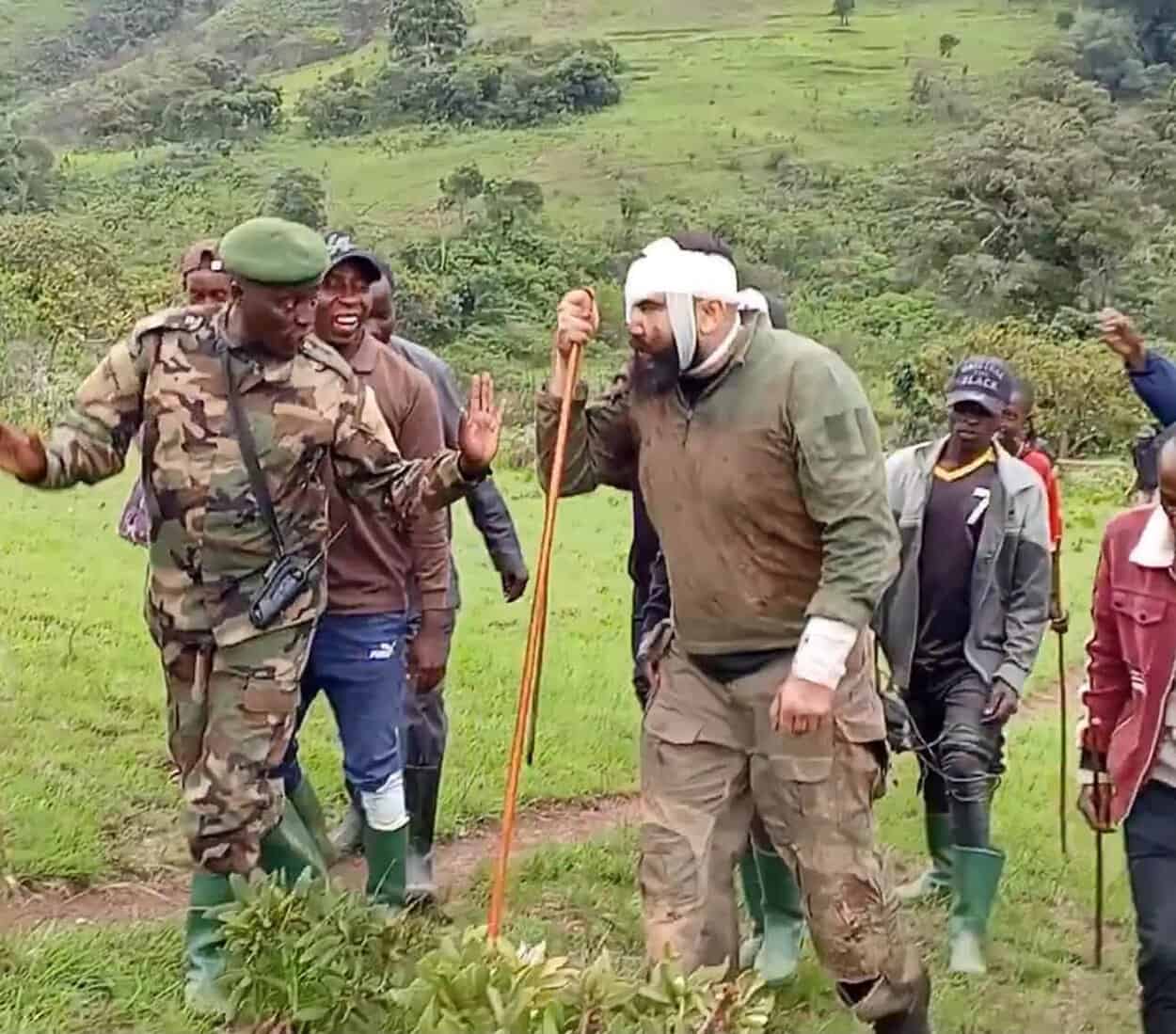
A South African pilot captured in the DRC recalls a long history of mercenary activity, from Katanga to the Seychelles coup. There was a story this week about a South African pilot who was shot down in the Democratic Republic of the Congo, allegedly flying a cargo plane converted into a gunship. If he even gets released by the M23 rebel alliance, which captured him, he’ll be in hot water at home under our laws, which criminalise mercenary activity. Ironically, the story came out in the same week as the anniversary of the abortive 1981 coup in the Seychelles, in which a band of mercenaries, led by Colonel “Mad Mike” Hoare, had to flee the islands when everything went pear-shaped. As was the wont in those days – and is still the mindset of some – the mercs thought they just had to pitch up against a rubbish African force to collect a massive payday. Unfortunately, the group – who called themselves “The Ancient Order of Froth-Blowers” (a drinking club committed to acts of charity) – got rumbled as they got off the plane and tried to clear customs. No one thought it would be a problem to go through the “Goods to Declare” lane – upon which an alert Seychelles officer discovered an AK rifle under toys supposedly destined for underprivileged kids. That triggered a firefight. The only way the soldiers of misfortune were able to escape was by hijacking an Air India Boeing 707 that had landed at the airport – and ordering the pilot to fly to Durban. The fact that Hoare and his co-conspirators later got an effective slap on the wrist from the South African government was seen as an indication that the Nat government in Pretoria knew about the raid and certainly approved of it, given that the target of the coup was the country’s elected Leftist leader. Hoare’s history as a gun-for-hire tracked back to the ’60s, when his “Wild Geese” commando fought for the separatist territory of Katanga in the Belgian Congo, as the country broke up at independence. His recruits were exclusively white – from South Africa, Rhodesia, other European African colonies, as well as Europe and the US – and they were racist. While Hoare denied committing atrocities against the local people, he did tell journalists: “Killing communists is like killing vermin. Killing African nationalists is like killing animals. I don’t like either of them.” The world, of course, has moved on dramatically since the turbulent ’60s and it has been a long while since anyone heard the word “mercenary” in connection with African wars. Yet, back in the ’90s, South African veterans of the Namibian and Angolan conflict were involved in changing countries like Angola and Sierra Leone through the Executive Outcomes outfit of former SA Defence Force Colonel Eeben Barlow. He and his men have trained defence forces all across Africa and even helped in campaigns against insurgents and jihadists. This has not always made them friends, especially with the big powers who see Africa as their private fiefdom and natural resource bank. Across the world, there are many private military companies effectively operating as the “plausibly deniable” arms of countries – but whose operators are also deployed to guard high-value assets like mining operations from rebel attacks. Today’s private soldiers, like Barlow, are nothing like the ragtag bunch of adventurers who called themselves “Froth-Blowers” and followed Hoare to the Seychelles. They are disciplined, highly trained, and experts in the use of technology – both military and otherwise. And, somewhere, somehow, there is a buck or two to be made out of the art of soldiering.
Shadowy world of arms still haunts Africa’s modern conflicts
Full Article
Original Source
Read the full article at Citizen →KhanList aggregates and links to publicly available news content. We do not host full articles from third-party sources. Always verify important information with original sources.