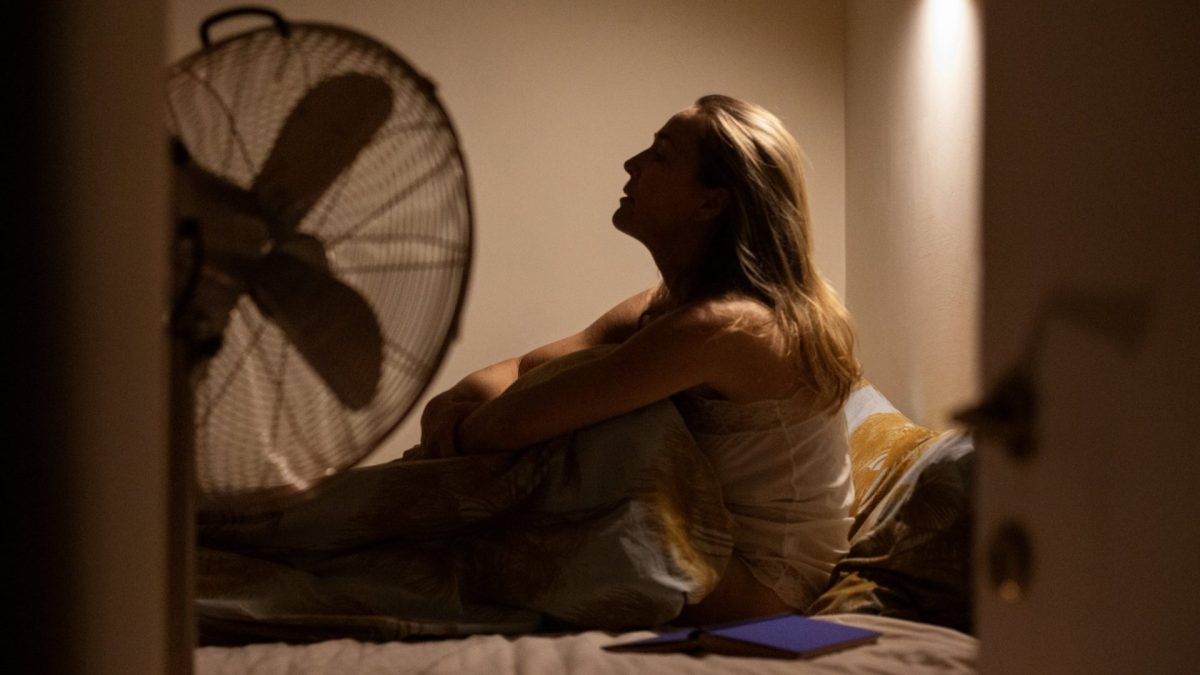
During June’s heatwaves, several long-standing temperature records were equalled or broken, and it seems like hotter summers are going to be an ongoing trend. Homes across the UK have become heat traps, as more than a fifth of buildings were constructed before 1919, when the priority was keeping heat in, not out. For more modern homes, the focus has rightly been on insulation and energy efficiency. The challenge is that these homes are often better at trapping heat and retaining it. Once sunlight passes through glazing and heats internal surfaces, that heat can linger long after the sun has gone down. In flats and highly insulated properties, temperatures can remain uncomfortable well into the night because the heat has nowhere to escape. This has led British consumers to look for new ways to cool their homes, with many investing in air conditioning units. But air conditioning is not a practical solution for everyone. And it turns out, we may be making our homes hotter without realising. Here, home experts explain some of the ways you’re contributing to a hot home and what you can do to help cool things down. Shorts Your windows are inefficient If you live in an older home that still has its original windows, you may find that heat is leaking in, even when the windows are closed. If replacing windows isn’t an option, Daniel Southern, managing director at Cut Plastic Sheeting, says one useful trick to make your windows more efficient is to add a removable acrylic panel inside the window recess. “This creates an air gap between the window and the room, which can help reduce heat transferring through the window. Because it’s temporary, it can be removed when needed or once the hotter weather has passed.” Southern says the panel works best alongside other simple measures. “Closing blinds or curtains before direct sunlight reaches the glass helps limit the amount of solar heat entering the room in the first place, while the air gap created by the panel helps reduce heat transfer through the window itself. Together, they can make a noticeable difference during periods of hot weather.” You don’t have enough external shading Christopher Murphy MBE, founder of garden building specialists Dunster House, says external shading is often more effective than internal blinds because it stops the sun’s rays before they reach the glass. “Pergolas, awnings, shade sails and strategically placed plants can all help reduce the amount of direct sunlight hitting a garden building throughout the day,” Murphy explains. “For example, fast-growing climbers such as jasmine, clematis or grapevines on a pergola can create natural shade, and unlike solid structures, they also help cool the surrounding air through evaporation.” However, it is not advised that you grow these plants directly on the garden buildings as this can trap moisture and potentially damage the structure. Plants should be positioned on a nearby pergola, trellis, archway or shade sail structure instead to block direct sunlight while still allowing air to circulate through the garden building. You’re leaving internal doors open When temperatures spike, rooms heat up at very different rates depending on which direction they face, with a south-facing living room in the afternoon often being several degrees hotter than a north-facing bedroom. Stephen Day, home cooling expert and director of iHeat, says: “Leaving internal doors open allows that heat to spread across the whole house, pulling up the temperature in rooms that were previously cooler. Keeping doors closed acts as a form of thermal zoning, containing cool air where you need it and stopping hot air from migrating. Draught excluders at the base of doors with uneven floors can help seal any gaps.” Fans are running around the clock right now, but if they’re not strategically placed, there’s little point in them (Photo: Antonio Diaz) Your fans are misplaced Fans are running around the clock right now, but if they’re not strategically placed, there’s little point in them. Day says: “In a properly ventilated room, the best move is to position one fan facing out of a window on the hottest side of the house to push warm air out (though avoid during peak times), while a second fan on the cooler side draws fresh air in. This creates a directional flow that displaces hot air rather than just recirculating it.” A bowl of ice in front of the intake fan can amplify the effect further, cooling down the air as it circulates through. Too many electronics on standby Electronics left on standby each emit a small but consistent amount of ambient heat. Individually, the effect is negligible, but in a poorly ventilated room during a heatwave, the combined output of several standby devices can raise the background temperature by a degree or two over the course of a day. Day says: “Leaving devices on compounds with other heat sources and makes rooms warmer, and makes it harder for fans or air conditioning to maintain a comfortable temperature. “If not in use, either turn devices completely off, or shut the doors to the rooms they are in to contain the heat.” Switching electricals off isn’t just a good idea for cooling your house, as the Energy Savings Trust estimates you can save around £45 a year just by remembering to turn your appliances off standby mode. Endless clutter Clutter isn’t actively making your home hotter, but if there’s lots of it, it doesn’t help. An excess of clutter will restrict the airflow in your home, so even when the windows are open at night, the breeze can’t circulate effectively. The positioning of your furniture can also make an impact, as Monika Puccio, buying director at Sofa Club, explains: “Large sofas placed directly in front of radiators, blocking air vents or pushed tightly against external walls can restrict airflow, making a space feel warmer and stuffier than it needs to.” Puccio says during the summer months, it’s worth pulling your sofa a few centimetres away from the wall to allow air to circulate more freely around the room. This is particularly beneficial in older properties, where it can also help reduce moisture build-up behind furniture and lower the risk of condensation and mould. Dark furniture and fabrics Rhys Powell, director of operations at WarmZilla, says another overlooked cause of overheating is warm surfaces storing and releasing heat long after the sun has gone down. “Any dark flooring, tiles, brick walls and large areas of glass can absorb heat during the day and slowly release it back into the room during the evening, which is why some homes stay uncomfortable at night even after outdoor temperatures have started to fall,” says Powell. You can reduce this effect by adding softer, lighter materials that don’t hold as much heat. Rugs, fabric furnishings and lighter-coloured blinds or curtains can help reduce how much heat is absorbed, particularly in rooms with lots of sunlight.
Seven mistakes that are making your house hotter – and how to fix them
Full Article
Original Source
Read the full article at Inews →KhanList aggregates and links to publicly available news content. We do not host full articles from third-party sources. Always verify important information with original sources.