
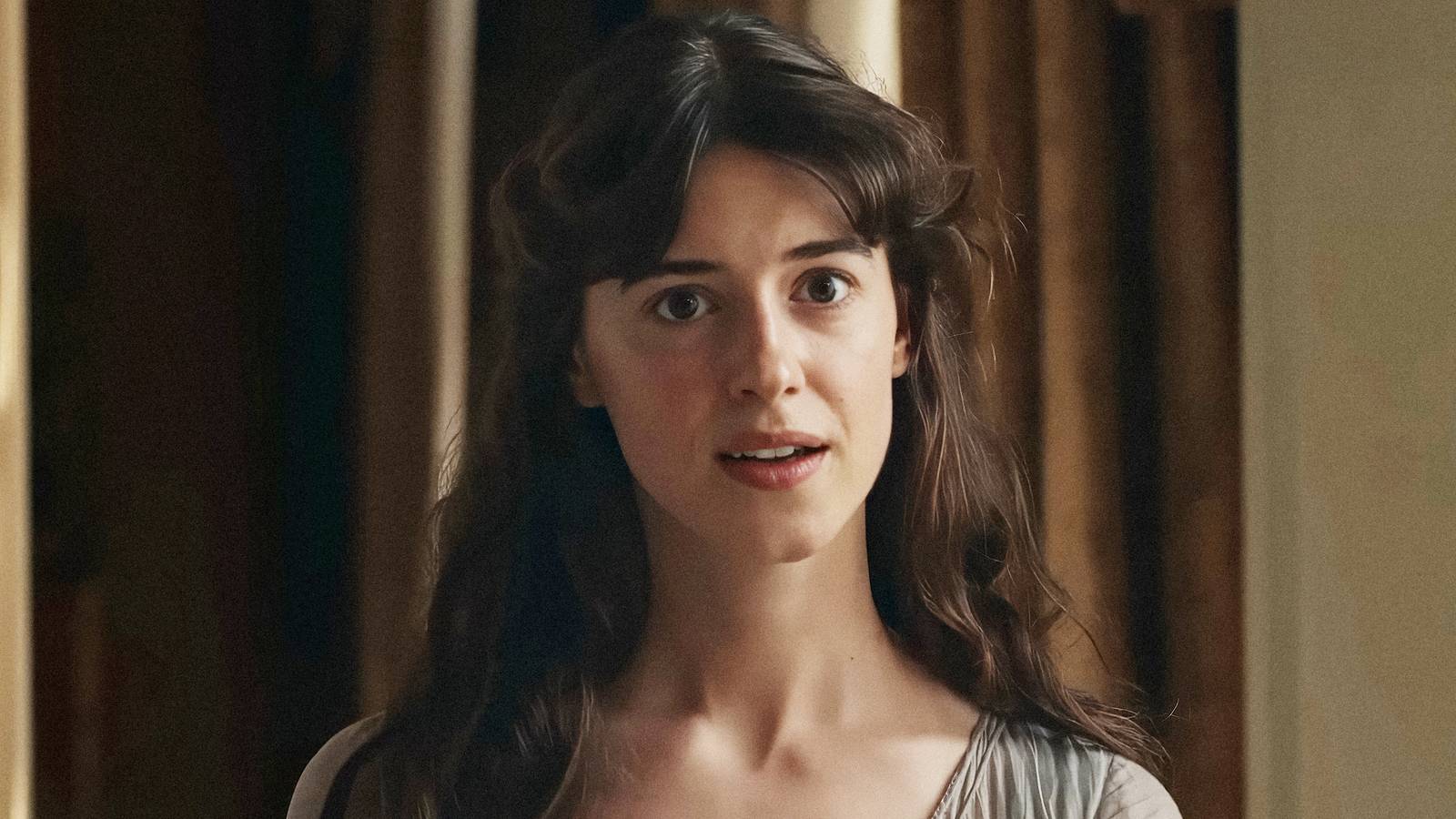
Published Aug 25, 2026, 5:55 PM EDT Abby Jackam is a contributer for Collider and ShowSnob, a media journalist for Trill Mag, and an aspiring novelist. She graduated Washington State University Vancouver in 2025 with a Bachelor's degree in Humanities. Whenever she can, Abby is writing. From research papers to book reviews, Abby's passion lies in storytelling and literary pursuits. Jane Austen's work is coming back to theaters with the release of Sense and Sensibility in October. Audiences will be introduced (or reintroduced) to Elinor (Daisy Edgar-Jones) and Marianne (Esme Creed-Miles) and the complicated romances the two sisters find themselves in. But when the trailer was released in June, many viewers found a reason to complain. For those with an attentive eye, viewers noticed that the fashions and hairstyles of the characters were historically inaccurate for the film's time period. Whether a period piece is historically accurate is something no one can agree on. Should these films be unequivocally accurate for the time periods, or are directors allowed to make changes for their vision? How far can a film push the audience before they are drawn out of the world? While there is no easy answer for such a debate, there can be arguments for both sides. 'Sense and Sensibility' Changes a Crucial Fashion Detail Image via Focus Features. The new Sense and Sensibility, directed by Georgia Oakley, takes place in the late 18th century when women's fashions were controlled by strict societal expectations. As English women did not have much freedom or agency at this time, they could not stray from fashion trends without it causing some alarm. In the Gregorian era that Jane Austen set her story in, women were rarely seen with their hair down. Pinned up hair was deemed polite and respectable. Even for women such as the Dashwood sisters who would find themselves in challenging financial predicaments, hair had to be arranged in accordance to social rules. But for Sense and Sensibility, there doesn't seem to be much concern for breaking these rules. The trailer revealed many shots of the titular characters with their hair down in public. For 21st century viewers, it might not seem like a big deal, but the 18th century was very different. It's not a simple mistake for filmmakers to get wrong, it's a very noticeable part of the period's aesthetic. Sense and Sensibility isn't the first period piece to stray from historical accuracy, but it does bring back the question of whether historical films remain historically accurate. Should Period Pieces be Historically Accurate? Image via Focus Features Ideally, the answer should be yes. Films can act as a gateway for audiences into new worlds and time periods. If a film takes place in the 17th century, viewers might believe that film's depiction of that period to be accurate to history. Media can have a large influence on what people view to be true, but sometimes that can be incorrect to reality. The hairstyles in the era Sense and Sensibility takes place in demonstrates the rigid freedom women of that time possessed. Fashion often reflects social values and speaks to the cultural expectations of the era. If a filmmaker decides to reject a certain aspect of history for their work, then it opens the door to allowing filmmakers to continually adapt historical eras incorrectly. The 1995 adaption of Sense and Sensibility adhered to the hair-up rule, but the 2026 film decided to stray from the same expectation. Historical Inaccuracy is a Trend and Here's Why Little Women (2019). Marie Antoinette (2005). Gladiator (2000). All of these films take place in a historic era and contain a multitude of inaccuracies for their time periods. Hollywood has shown a habit of adapting certain aspects of historical periods for their films. Rarely does a period piece nail every detail from its era. But why don't filmmakers strive to make their works entirely accurate to history? It's not always due to a lack of attention. Costume and set designers spend a lot of time developing the aesthetic for films and should be given credit for the work that they do. Sometimes choices are made for the filmmaker's creative vision of the film, not for the sake of historical accuracy. There is a habit for modern fashion ideals to slip into period pieces. It's not uncommon for a flashy color or trending makeup look to find its way into historical media. Sense and Sensibility is another example of modern aesthetics mixing in with a historical era. By having the Dashwood sisters' hair down, it brings modern beauty standards into a different time period. Modern filmmakers and designers have continually taken liberties with historical dress to appeal to more modern sensibilities. Current fashion trends favor women with their hair down, which could be a factor in why more leading ladies in period pieces find themselves with beach waves and loose up-dos. While many viewers might call for historical accuracy no matter what, there is another side to why these inaccuracies occur. Beauty standards in the 18th century are wildly different from the 21st. It can be argued that true historical accuracy can weaken a filmmaker's vision for their work. As creatives, filmmakers should be allowed to take artistic liberties with their art, even if that includes changing small details like hair. Films are creative outlets, not necessarily historical documentaries. Sometimes historical accuracy is abandoned for entertainment's sake. Ultimately, the filmmaker is responsible for deciding how accurate their work should be. There can be a push for accuracy from audiences, but at the end of the day, films are stories. They are art forms, and as the creator, the filmmaker can decide what they wish to include in their work. A film's historical inaccuracy doesn't negate its attempt to tell a story in a certain time period. A period-piece can still be historical while having some fluidity for the filmmaker's creative vision. Release Date October 16, 2026 Director Georgia Oakley Writers Diana Reid, Jane Austen Cast Daisy Edgar-Jones Elinor Dashwood Esme Creed-Miles Marianne Dashwood Caitríona Balfe Mrs. Dashwood Bodhi Rae Breathnach Margaret Dashwood Producers Eric Fellner, Tim Bevan
'Sense and Sensibility' Is Getting Rid of Historical Accuracy and Everyone Needs to Chill Out
Full Article
Original Source
Read the full article at Collider →KhanList aggregates and links to publicly available news content. We do not host full articles from third-party sources. Always verify important information with original sources.