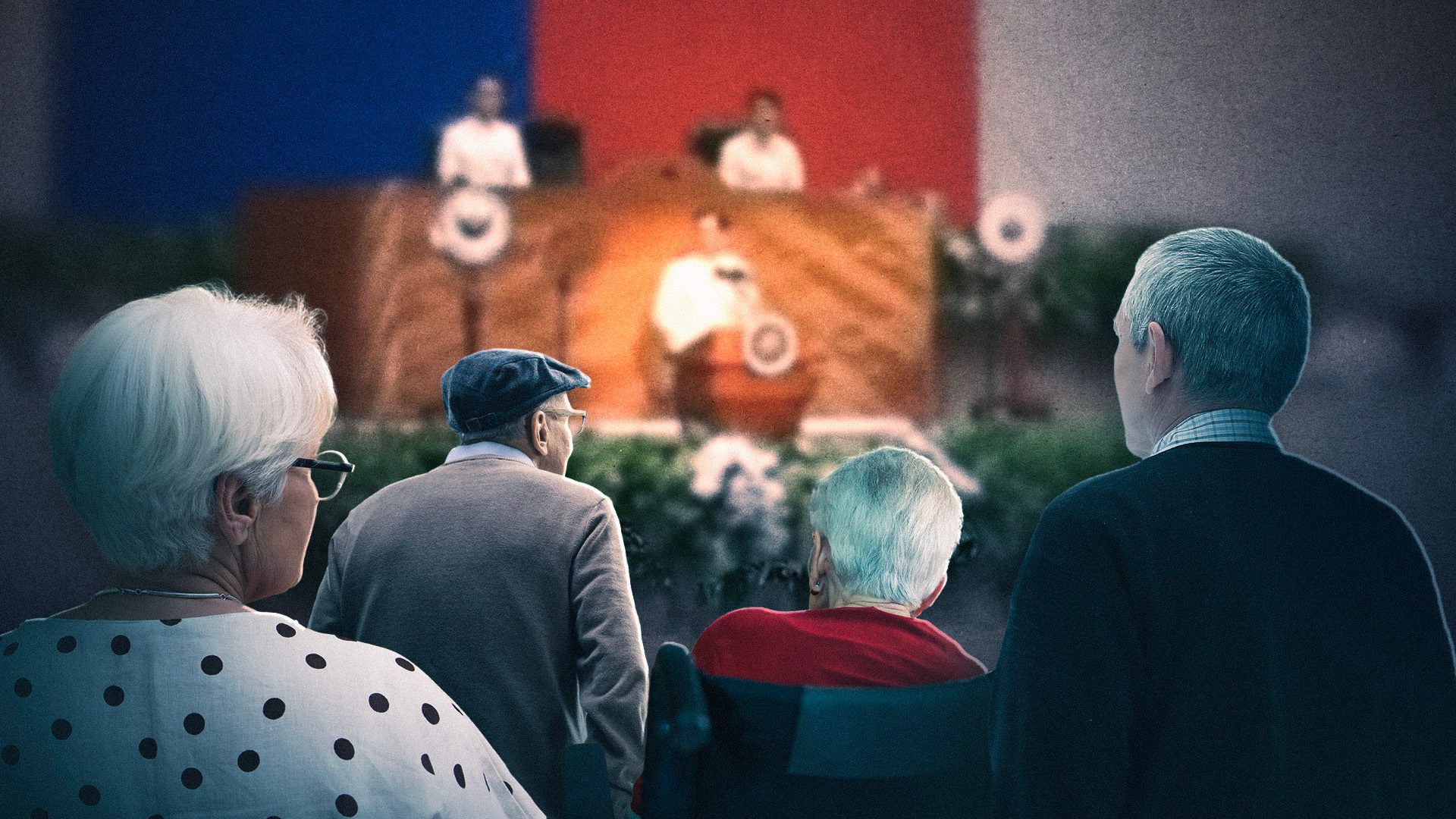
President “Bongbong” Marcos Jr.’s (PBBM) much-awaited State of the Nation Address (SONA) on Monday, July 27, lasted one hour and 26 minutes. It was his longest and second to the last for his term. Found anticlimactic by his critics, it proved to be disappointing to senior citizens. Because while it was deliberately long in the apparent attempt to cover the concerns of all sectors, it paradoxically forgot the most vulnerable but important sector of the population that has always played a crucial role in the effort to nation building, according to Senior Citizens Party-list Representative Rodolfo “Ompong” Ordanes. PBBM’s SONA obliviously did not have a single line to address current critical gaps for elderly welfare, specifically in the Universal Social Pension Act, specialized geriatric healthcare, and rising medical and living costs. Many older Filipinos currently still lack steady incomes or adequate savings, making a universal social pension essential for basic daily survival. Aging bodies require specialized medical attention, which calls for the institutionalization of the Geriatric Health Act and dedicated national geriatric centers. Rising prices on basic utilities, food, and maintenance medicines disproportionately crush fixed-income retirees who cannot re-enter the active workforce. The most common reaction of senior citizens to PBBM’s SONA is that the omission of care for the sector is alarming since our population is aging. The number of senior citizens is increasing – a trend that government must closely supervise before they become a serious concern of society and government. Our declining population An analysis of recent data from the Philippine Statistics Authority (PSA) and global demographic studies reveals that the Philippines is fast approaching an official demographic shift. While traditionally celebrated for its young, vibrant workforce, the country’s population structure is rapidly graying. Yes, you are reading it right: “The country’s population structure is rapidly graying.” Philippine Senior Citizen Population Growth (Aged 60+) from the PSA 2000: ████ 4.52M (5.4%) 2020: █████████ 9.22M (8.5%) 2024: ███████████ 11.42M (10.2%) 2025: ████████████ 10.98M (9.6%*) 2030: ██████████████ 11.0M – 12.0M (11.0% Projected) 2040: █████████████████████ ~19.0M (Projected) *Note: Variations between 2024 and 2025 baseline sets reflect shifts between household-only population census data and total estimated projections. The absolute number and total percentage of older Filipinos are rising at an accelerated pace. Recent PSA reports show the senior citizen population (aged 60 and over) has broken past the 11 million mark. They account for approximately 9.6%to 10.2% of the country’s total population. This is a severe climb from the 4.5 million seniors recorded in 2000, meaning the elderly population has more than doubled in just over two decades. The United Nations and the World Bank officially classify a nation as an “aging society” when 10% of its population is aged 60 or above. The Philippines is crossing this exact threshold. Experts project that the senior demographic will hit roughly 11% by 2030 and spike to 19 million by 2040. The middle point of the Philippine population is moving upward, signaling a structural contraction at the base of the population pyramid. The country’s median age rose steadily from 25.3 years in 2020 to 27.7 years, proving that the collective population is maturing. The aging index measures the number of seniors (65+) for every 100 children under the age of 15. This index jumped sharply from 17.5 in 2020 to 24.7, showing that the older population is expanding far faster than the youth demographic. Two primary factors are fueling this structural shift: sinking birth rates and expanding life expectancies. The national total fertility rate has dropped sharply to 1.7 births per woman. This falls significantly below the standard population replacement level of 2.1 births per woman. Thanks (or no thanks?) to modern medicine, healthcare access, and better lifestyle awareness. The average life expectancy has extended. According to the Demographic Research and Development Foundation (DRDF), a Filipino reaching the age of 60 can now expect to live an average of 16 to 17 more years for men, and 21 more years for women. On gender disparity or what is called “fertilization of aging, data shows a distinct structural gap between sexes within the aging bracket. Women live longer than men, resulting in a majority-female senior sector. In the recent population census, females comprised 55.7% of all senior citizens, compared to 44.3% for males. The problem in this scenario is that because older women are more likely to be widowed, single, or to have spent less time in formal employment during their youth, they face higher risks of economic isolation and lack personal pension funds. On labor and economic vulnerability, the statistical data challenge the traditional assumption that senior citizens live restful, fully retired lives. Roughly 5.3 million elderly Filipinos remain active in the labor force, facing a 99% employment rate among those looking for work. The vast majority of these working seniors are employed in vulnerable, low-earning, manual sectors: 1.8 million work in agriculture, followed closely by informal wholesale/retail trade, and public transportation. Poverty among senior-led families is lower than in the farming or fishing sectors. However, basic security remains incredibly frail. Studies show that 57% of seniors report severe difficulty in meeting daily household expenses. Furthermore, a crushing 80% of Filipino seniors do not hold formal pensions from the Social Security System (SSS) or the Government Service Insurance System (GSIS), leaving them completely unprotected against inflation or sudden medical shocks. Ernest appeal On this note Congressman Ordanes composed a discursive appeal – but emotional in tone – for PBBM and his government team that captures the spirit of the traditional Filipino balagtasan (poetic debate), entitled: PARA KAMING ANAHAW Ito ang aking naramdaman sa nakaraang SONA ng Pangulo. Noong unang panahon, ang anahaw ang ginagamit na panangga kapag umuulan upang hindi mabasa. Subalit nang magkaroon ng payong, ang anahaw ay unti-unting itinabi, itinapon, at tuluyang pinabayaan. Iyan ang aming naramdaman, at iyan ang katotohanan ng aming sitwasyon ngayon. Kami ay tila nakalimutan ng ating Pangulo. Umaasa kami na makakarinig ng magandang balita, mga pangakong makakabawas sa aming araw-araw na alalahanin at makakatugon sa aming mga pangangailangan. Ngunit kami ay nabigo. Sa dami ng kanyang mga pangako at sa haba ng kanyang talumpati, wala kaming narinig at wala kaming nakitang pag-asang mabibigyan ng sapat na pansin ang mga senior citizen. Mga pangakong kahit paano ay makapagpapagaan at makapagpapalubag sa aming mga alalahanin. Wala. Wala ni isang salita tungkol sa aming mga karapatan at kapakanan. Ngunit kami ay umaasa pa rin na sa pamamagitan ng aming pagsusumamo, pakiusap, at mga panalangin na kami ay mapapansin. Mahal na Pangulo, kami po ay malapit na sa finish line. Marami sa amin ang nasa departure area na ng buhay. At malapit nang magpantay ang aming mga paa. Hindi po kami nagdaramdam. Ngunit patuloy naming hinihiling na marinig ang aming tinig at mabigyang-pansin ang aming mga pangangailangan. Ang Universal Social Pension at ang Geriatric Health Act ay hindi lamang mga panukala na hinihintay naming maisabatas, ito ay pagkilala sa mga sakripisyo at ambag ng bawat nakakatandang Pilipino. Sana po ay dumating ang araw na wala nang senior citizen ang makadama na sila ay parang anahaw na dating pinakinabangan ngunit kalaunan ay nakalimutan. Hangad lamang namin ang isang pamahalaang tunay na mag-aaruga at magbibigay ng dignidad sa bawat Pilipinong matanda. Maraming salamat po. – Rappler.com (You may reach the writer at densomera@yahoo.com)
Senior citizens: The forgotten sector in Marcos’ 2026 SONA
Full Article
Original Source
Read the full article at Rappler →KhanList aggregates and links to publicly available news content. We do not host full articles from third-party sources. Always verify important information with original sources.