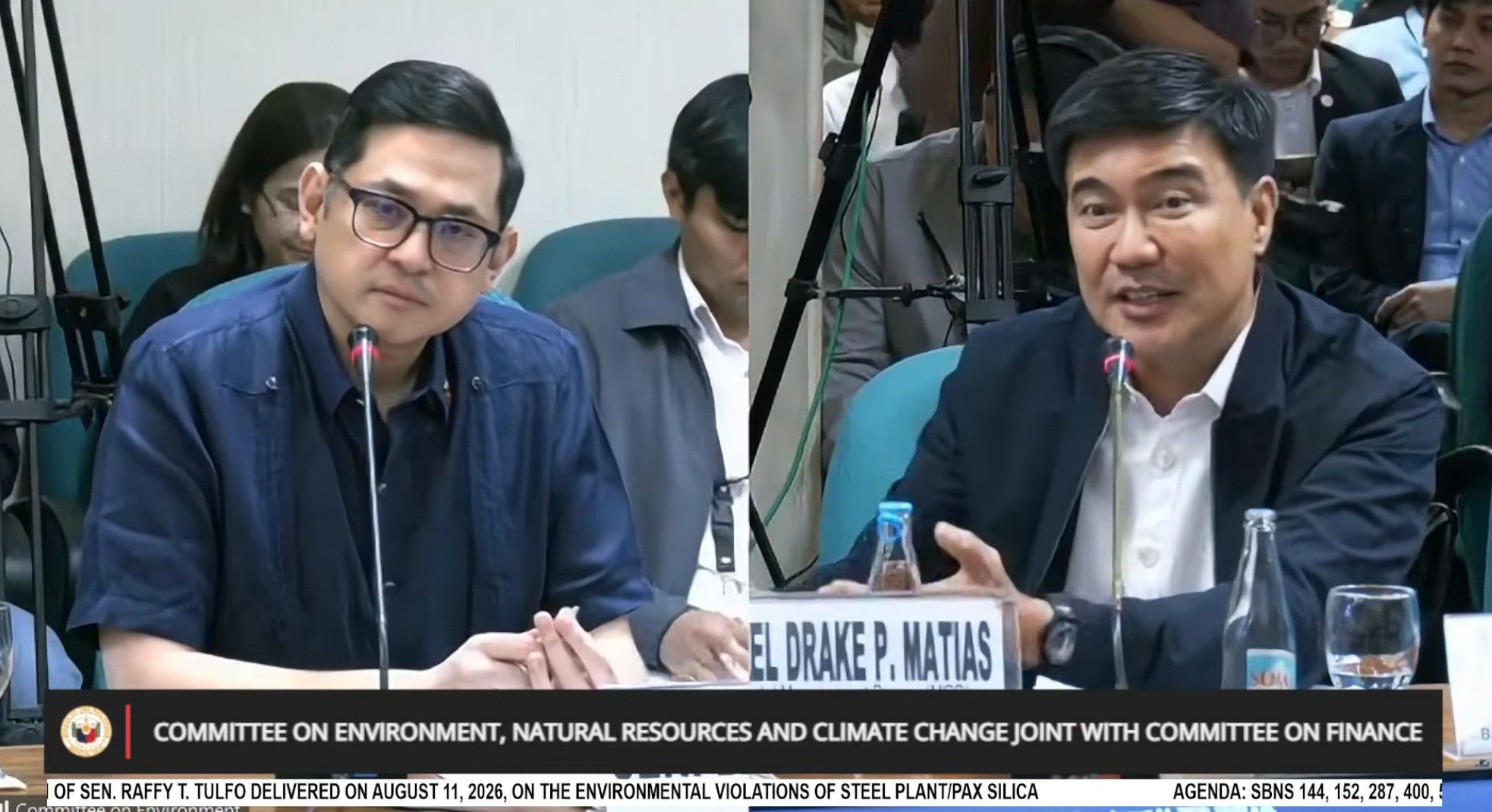
Senators expressed potential for Pax Silica to enhance the Philippines' manufacturing and AI economy but emphasized the need for proper infrastructure and community consultation before proceeding. The project will prioritize advanced manufacturing for AI components, with critical mineral processing as a longer-term goal, while infrastructure development is expected to begin in 2027. Concerns were raised about water supply and the impact on Indigenous communities, highlighting the lack of consultation and the need for transparency in decision-making. This is AI-generated. Read the article for full context. Report any errors. MANILA, Philippines — Senators on Friday, August 14, said they see potential in Pax Silica as a way for the Philippines to move into higher-value manufacturing and the artificial intelligence economy. During the Senate environment committee’s first hearing on Pax Silica, they warned government agencies involved against getting ahead of the infrastructure, safeguards, and communities that will have to support the project. Senators Win Gatchalian, Bam Aquino, Raffy Tulfo, and Imee Marcos questioned and urged the Bases Conversion and Development Authority (BCDA), and the Board of Investments (BOI) to get the groundwork right before the project moves forward. They also underscored the need to move adequately fast for the project as other Southeast Asian neighbors may grab the opportunity instead if the Philippines does not take it. Senator Francis Pangilinan particularly called out the BCDA, represented by its president Joshua Bingcang, over the lack of consultation with communities that could be affected by the proposed industrial hub in New Clark City, Capas, Tarlac, and sought full transparency. “You have to nip this in the bud… in terms of informing, consulting, informing, and taking charge,” Pangilinan said. “If we want this to succeed, we have to have the support of those who will be affected by it.” Senator Bam Aquino echoed the need for public acceptance. “Mahalaga na meron tamang consultation, meron tamang social acceptability,” Aquino said. (It’s important to have proper consulation, right social acceptability.) Much of Pax Silica remains, including the terms, in development. But the project has seen intense online scrutiny over concerns on environmental harms, community displacement, sovereignty, and water and energy use. When Pangilinan admonished Bingcang, that was the context. The public feels there hasn’t been enough clear information for a project that would make a significant mark in Tarlac and the Philippines, just a few months before a proposed November 2026 framework deal signing. Some new details emerged during the hearing. AI manufacturing first, minerals later The BOI’s vice chairman and Department of Trade and Indusry’s (DTI) undersecretary for the Industry Development and Investment Promotions Group, Ceferino Rodolfo, clarified that the first priority for the proposed Clark hub is advanced manufacturing, particularly components that go into AI data centers and electronic equipment. The project is envisioned in stages, with an advanced manufacturing node followed by an integrated circuit design node. This is said to be the higher-value part of the semiconductor ecosystem involving the “brains” of chips. Rodolfo also urged the public to look at the actual Pax Silica document that was signed, which is available on the BOI website — something that Rodolfo says they haven’t been good enough in publicizing. Critical mineral processing will also be part of Pax Silica as “a medium- to long-term prospect,” and is not expected to be the immediate focus in Clark. If projects such as nickel processing or a high-pressure acid leach facility are eventually pursued, Rodolfo said these would likely be located closer to mining areas outside Clark, potentially in areas such as Dinagat and Agusan, as Senator Gatchalian mentioned. No factories yet Rodolfo said there will be no facility built this year. Roads, water and power infrastructure will be prioritized first, with road construction targeted for the second half of 2027, with potential facilities and investing companies coming in 2028. BCDA does not have enough funds to build all the infrastructure itself, meaning foreign direct investment will be needed to develop the facilities, Bingcang said. The development will also be staggered, and projects will not immediately take up the 1,620-hectare space in one go, with a more detailed roadmap expected once investors actually sign agreements. Among the first companies to take space could be one that could manufacture components used by major AI companies’ data centers, although no specific company was identified. Can Clark supply the water? The most immediate infrastructure concern raised by Senator Raffy Tulfo was water, questioning whether the existing supply would be sufficient as the project scales up, including during El Niño. He also raised concerns about the impact on rivers and other water sources. Officials said the project would focus on water recycling, with around 70% of water potentially recycled, as well as the possibility of sea water desalination — something that Tulfo welcomed, noting that’s something the country has a lot of. Bingcang said there are current discussions with a Middle East company that can deliver the water from the sea to the Tarlac location. But the gap between current capacity and future demand appears substantial. Current demand in the area is 3 million liters per day, fulfilled by a current supply of 20 million liters per day, according to Bingcang. Pax Silica is expected to consume 65 million liters per day. The point, officials said, is that the necessary water infrastructure is only being planned and developed now. The same is true for power. Bingcang discussed solar farms, battery storage and liquefied natural gas (LNG), echoing earlier pronouncements. A 500-megawatt solar farm has been stated by BIngcang, as well as a potential 1.2-gigawatt LNG plant currently being studied. Indigenous communities and ancestral grounds The hearing also tackled the situation in Sitio Sapang Kawayan, within the proposed Pax Silica hub, where indigenous communities could be affected. A chieftain representative from the indigenous community said there are about 75 households and 300 families, and added that current figures from the BCDA may be old and inaccurate. The National Commission on Indigenous People’s Secretary Nancy Catamco said the commission will be coming to the area to do an official updated census. Bam Aquino estimated the number of indigenous peoples at 1,000, computing from the chieftain’s figures. Bingcang discussed a possible relocation to Sitio Binyayan. But the area also contains ancestral burial grounds and prayer grounds, making the issue more complicated than simply relocating households. Bingcang said an inventory of affected sites would be undertaken. The issue of 266 farmers that work the land — land which the BCDA clarifies it owns — will also have to be resolved. ‘Wala pong nangyaring consultation’ No consultation was done, said Capas Mayor Roseller Rodriguez. On June 22, officials were invited through a text message to a BCDA meeting. He said, there was no clear agenda, and Pax Silica was presented only as part of a broader overview of New Clark City. The project subsequently emerged as a major national issue, leaving local officials scrambling for more information, the mayor said. Pangilinan warned that government should take charge of the information campaign before uncertainty grows. He urged the BCDA not to allow affected communities to feel that decisions were being made ahead of them — an issue he characterized in terms of growing “agam-agam” (rumors). Aquino similarly called for dialogue and solutions for the affected communities, while also asking officials about the funds that would be available for them. Budget issues involving DTI and BCDA are expected to be taken up during the September budget hearings, with Aquino heading those hearings. – Rappler.com
Senators see Pax Silica potential, but call for consultations, transparency
Full Article
Original Source
Read the full article at Rappler →KhanList aggregates and links to publicly available news content. We do not host full articles from third-party sources. Always verify important information with original sources.