
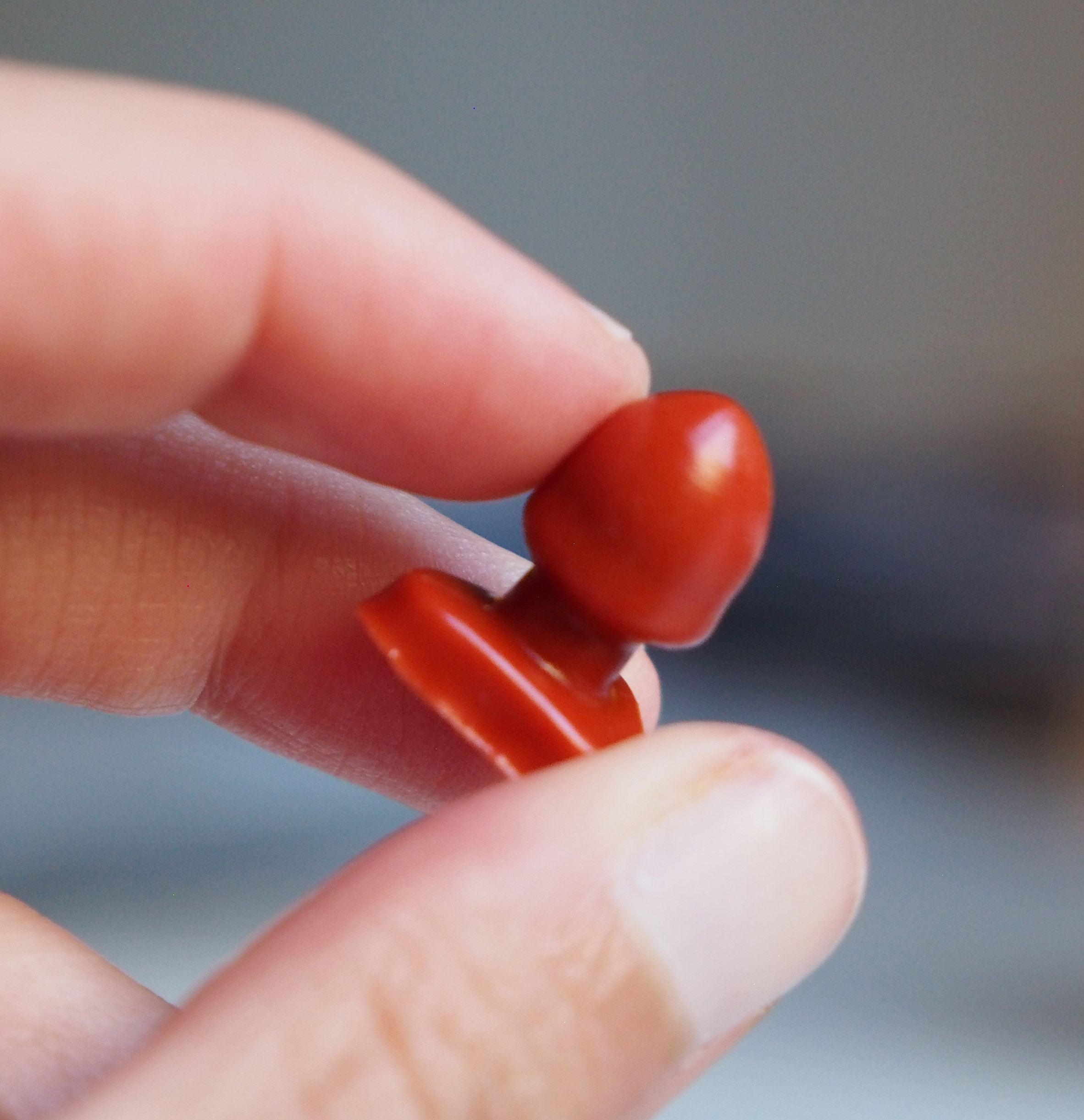
A single-use earplug crafted from seaweed, two plant-based insulation materials and a homegrown timber kit-of-parts for low-rise buildings are among the projects that have been awarded Design Museum grants. UK-based studios Searo Labs, WeCanMake, Local Works Studio and SY Ecofit have been granted a share of £280,000 from the Design Museum for their “cutting-edge” environmental prototypes. SearoSoft is a seaweed-based earplug Described as the “world’s first seaweed-based single-use earplug”, SearoSoft by Cambridge-based Searo Labs is a fully biodegradable and renewable alternative to single-use earplugs. According to SearoSoft, the soft, mouldable earplugs are made without microplastics or chemicals and designed to hydrate the ear canal, unlike plastic-based products, which can be drying. Once discarded, they are biodegradable in water or soil after 30 days. As seaweed is a regenerative crop, SearoSoft explained that there is no need for land, freshwater or fertilisers, making the process simple and more sustainable. Local Works Studio has won a grant with Ferment Among the other prototypes is a building material project by Sussex-based Local Works Studio. The initiative, named Ferment, will repurpose agricultural waste into an insulating material fit for retrofitting buildings. Local Works Studio aims to develop an accessible product for farms via what it calls a “harvest-to-house system”, where farmers can produce the insulation themselves using their existing infrastructure, skills and machinery. Neighbourhood Factory Futures is a homegrown timber kit-of-parts system Bristol-based studio WeCanMake’s winning prototype, Neighbourhood Factory Futures, is a homegrown timber kit-of-parts system designed to be used for constructing low-rise apartment buildings. With the Design Museum’s grant, the studio plans to create a neighbourhood factory model, allowing local communities to build and maintain their own homes. WeCanMake explained it created the system as part of a wider movement aiming to make the UK a “nation of growers, producers and makers” while using reusable materials that store, rather than emit, carbon. SY Ecofit is a social enterprise Prototyping PhytoFloc by social enterprise SY Ecofit in collaboration with Phyona and Studio Bio is a zero-waste project that, similarly to Local Works Studio, aims to develop plant-based insulation for building construction. The project uses biowaste created as a byproduct of phytomining, where former industrial land is rejuvenated by plants that extract pollutants from the soil. The project intends to recognise the value of post-industrial soils while creating a locally made, low-carbon material. Ferment will repurpose agricultural waste into an insulating material The grants are part of the Design Museum’s Future Observatory program, which is run in partnership with the Arts and Humanities Research Council. The winning projects were amongst 140 prototypes that were submitted to the scheme. The museum explained that at a time when supply chains are under pressure, the Future Observatory aims to support designers’ practical research to drive the green transition. The Design Museum has offered four grants to support designers with the green transition. Image by Hufton and Crow “The climate crisis demands rapid change, and we believe that design is critically important if we are to meet that challenge,” said Design Museum director Tim Marlow. “The presence of Future Observatory allows us an extraordinary opportunity to get involved with practitioners and problem-solvers and have a direct impact on the development of new technologies at the frontier of current design thinking.” The four projects will be funded from November 2026 until July 2027. Afterwards, the prototypes will be tested and begin the commercialisation process.
Seaweed earplug among grant-winning Design Museum prototypes
Full Article
Original Source
Read the full article at Dezeen →KhanList aggregates and links to publicly available news content. We do not host full articles from third-party sources. Always verify important information with original sources.